







Astonishing Solo Victory: How One Independent Miner Captured a Massive Bitcoin Block Reward
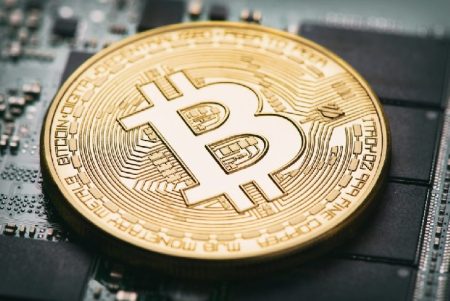
In the ever-volatile world of cryptocurrencies, where fortunes can swing on the whims of algorithms and the unpredictable dance of digital markets, a story of unlikely triumph is unfolding. It all began with block 944,306 on the Bitcoin network, a digital milestone that captured the attention of miners and enthusiasts alike. A lone, independent miner, armed with nothing but perseverance and a dash of luck, managed to solve the complex puzzles inherent in Bitcoin’s proof-of-work system before anyone else. This solitary achievement, as rare as spotting a comet in broad daylight, netted them the entire block reward – a staggering sum that underscores the high-stakes drama of cryptocurrency mining. As Bitcoin continues to dominate headlines for its price surges and regulatory battles, events like this remind us of the hands-on, often solitary struggle at the heart of digital asset creation. It’s a narrative that blends technological marvel with human grit, highlighting how one individual’s gamble can defy astronomical odds in a decentralized ecosystem.
Delving deeper into the mechanics, this miner employed CKpool’s innovative solo mining software, a tool designed for those who prefer the purity of independent operation over the pooled resources of larger entities. Unlike mining pools where rewards are shared among countless participants, solo mining demands significant computational power and an unyielding commitment to the network’s integrity. The block in question was crafted with precision, confirming transactions and adding a new layer to the blockchain’s immutable history. While the financial windfall is undeniable – approximately $222,000 at current valuations – the true reward lies in the validation of the miner’s strategy and hardware. Sources close to the scene report that such solitary successes are not unprecedented, but they remain a testament to the egalitarian nature of cryptocurrencies. Anyone with access to robust mining rigs and a stable internet connection can, theoretically, join this elite club. Yet, in practice, the barriers of energy costs and increasing difficulty mean that few ever taste this level of victory. Mining experts often compare it to a lottery, where ticket holders toil endlessly, but the jackpot eludes the vast majority.
What makes this event particularly gripping is the staggering improbability factor, a statistical curveball that turns the narrative into something out of a thriller. CKpool developer Con Kolivas, a figure synonymous with the ethos of independent mining, took to social media to dissect the odds. According to his calculations, the chances of a miner with this scale of operation striking gold once a day hover at around one in 100,000 – a figure so remote it feels almost mythical. Extrapolating further, Kolivas suggested that such a triumph might statistically occur only once every 300 years, painting a picture of rarity that aligns with Bitcoin’s deflationary design. This isn’t just about numbers; it’s about the relentless ebb and flow of hashing power across the globe. As mining farms swell in scale and energy demands soar, solo miners are increasingly relegated to the sidelines. Yet, this outlier success serves as a beacon for the underdog, demonstrating that the Bitcoin network’s egalitarian promise – where power is distributed rather than concentrated – is still alive. Observers in the crypto community have applauded this as a boost for decentralization, arguing that every solo victory reinforces the system’s resilience against centralized control.
Transitioning from the realm of probability to real-world implications, this block reward serves as a microcosm for broader trends in cryptocurrency economics. The breakdown reveals 3,125 Bitcoin from the network’s block subsidies, roughly valued at $221,800, alongside a modest 0.003 Bitcoin from transaction fees, approximately $212. In an era where Bitcoin’s total supply is capped at 21 million coins, these subsidies represent the primary incentive for miners to keep the network secure. As we edge closer to the halving events – where rewards diminish to promote scarcity – stories like this one amplify the urgency for miners to innovate. Solo mining, while heroic, raises questions about sustainability. Critics point out the environmental footprint, with electricity costs often overshadowing profits, especially for individuals without institutional backing. Conversely, proponents see it as a safeguard against monopolies, ensuring that no single entity can dominate the network. This event has sparked renewed debates on mining regulations, with policymakers eyeing carbon footprints and energy consumption. For the solo miner behind this feat, it could be a turning point, potentially funding upgrades or attracting partners. Yet, in the ever-fluctuating crypto landscape, today’s fortune could evaporate with tomorrow’s price dip.
As the cryptocurrency space evolves, links to adjacent innovations often emerge, adding layers to these unfolding stories. Interestingly, amidst this solo mining saga, Telegram founder Pavel Durov announced a significant update for Toncoin (TON), his platform’s native digital currency, set to drop in the coming days. This parallel development underscores the interconnected web of blockchain ecosystems, where advancements in one corner can ripple into others. Toncoin, with its focus on scalability and integration into messaging apps, represents a different facet of crypto utility – fast transactions and user adoption over raw computational challenges. While Bitcoin’s proof-of-work demands physical mining rigs, Toncoin leans into proof-of-stake mechanisms, requiring less energy and more strategic staking. This juxtaposition highlights the diversity within cryptocurrencies, from Bitcoin’s trailblasing resilience to newer projects aiming for efficiency. Durov’s teaser builds anticipation for TON’s evolution, potentially integrating features that could enhance global payments or decentralized apps. It’s a reminder that while solo Bitcoin mining captures the imagination with its rarity, the broader field is a cauldron of experimentation, where innovations like TON’s updates keep the audience engaged and the markets dynamic.
In wrapping up this tale of digital derring-do, we must acknowledge the inherent risks and educational undertones. The solo miner’s victory is exhilarating, yet it comes with a caveat: volatility plagues every corner of the crypto world. Bitcoin’s value, while surging to new highs, can plummet just as swiftly, turning rewards into regrets. For aspiring miners, this is a call to diligence – researching hardware, monitoring energy costs, and understanding the legal landscapes of mining operations become paramount. Moreover, as nations grapple with crypto regulations, from tax implications to environmental policies, participants must navigate a complex maze. Stories like block 944,306 aren’t just about wealth; they’re about the intersection of technology, economics, and human ambition. They fuel discussions on decentralization’s future, pitting ideals against practicality. Nonetheless, this event reinforces Bitcoin’s foundational appeal: a system where occasional miracles are possible, but so are the grinding realities of participation.
*This is not investment advice.