






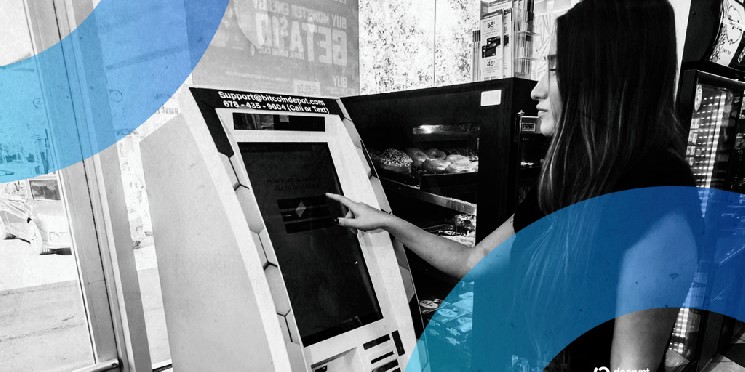
Bitcoin Depot Tightens Security: Mandatory ID Checks for Every ATM Transaction
In a proactive move to bolster its defenses against fraud, Atlanta-based company Bitcoin Depot has announced that it will now require identity verification for every customer interaction at its crypto ATMs. This policy shift, rolled out in phases earlier this month, marks a pivotal step in the firm’s evolving compliance framework. According to a company press release, the measure represents a “significant advancement” aimed at curbing illicit activities like account sharing, identity theft, and takeover schemes. Previously, customers only had to provide IDs during their initial onboarding. Now, this verification is mandatory for each transaction, whether it’s buying Bitcoin with cash or any other operation at the firm’s expansive network of 8,800 machines across North America. CEO Scott Buchanan emphasized the strategic value of this approach in an interview with Decrypt. “Verifying identity at every transaction helps us catch patterns that might not show up during onboarding,” he stated. “Bitcoin Depot takes this matter very seriously as we continue to prioritize customer trust and security.” As cryptocurrency continues to gain traction as a mainstream asset, initiatives like this highlight the industry’s growing pains—balancing accessibility with stringent safeguards to prevent abuse. This development comes against a backdrop of increasing scrutiny from regulators, underscoring how companies in the crypto space are adapting to real-world challenges. For consumers, it means a slightly more rigorous process in exchange for potentially greater protection, especially in an ecosystem where digital transactions can be irreversible. Beyond the operational changes, this move signals Bitcoin Depot’s response to mounting external pressures, positioning it as a leader in self-imposed standards that might set precedents for the broader market. While some critics argue that such measures could deter casual users, proponents see it as a necessary evolution in an industry rife with risks.
Riding High on Accessibility, Yet Struggling in the Stock Market
Bitcoin Depot has positioned itself as a bridge between the traditional cash economy and the digital world of Bitcoin, enabling millions to purchase cryptocurrency through its ubiquitous ATMs without needing sophisticated banking setups. Founded in Atlanta, the company has grown rapidly, leveraging its network to democratize access to digital assets. Yet, this success story has been overshadowed by turbulent financials. On Tuesday, the firm’s stock price dipped 6.7% to $5.37 per share, per Yahoo Finance data, capping a bruising six-month period where shares have plummeted by 80%. This volatility reflects broader challenges in the crypto ATM sector, where profitability often hinges on transaction volumes amid fierce competition. Investors seem wary of the regulatory headwinds, as well as economic factors like fluctuating Bitcoin prices—recently hovering around market debates on whether it’ll pump to $84k or dump to $55k, as indicated by myriad market insights. Despite the stock’s woes, Bitcoin Depot’s core offering remains appealing: quick, cash-based conversions that appeal to those without traditional financial accounts. The company’s phased rollout of enhanced ID checks is not just a compliance maneuver but a bid to restore investor confidence. By integrating advanced verification technologies, such as biometric scans or digital identity portals, Bitcoin Depot aims to streamline the process while mitigating risks. This dual focus on growth and security could be key to stabilizing its market position. As the crypto landscape evolves, with institutions like Grayscale and vanguard players entering the fray, companies like Bitcoin Depot must innovate to avoid being left behind. The emphasis on identity verification per transaction aligns with industry best practices, potentially attracting institutional partners wary of reputational risks. For everyday users, these changes promise a safer path to crypto adoption, even if short-term stock fluctuations tell a different story.
Exploiting Vulnerabilities: How Scammers Target the Elderly at Crypto ATMs
The allure of crypto ATMs lies in their simplicity—insert cash, select Bitcoin, and walk away with digital wealth. But beneath this convenience lurks a dark underbelly of exploitation, particularly targeting vulnerable demographics like seniors. According to the FBI, Americans lost a staggering $333 million to fraud tied directly to crypto ATMs in 2025 alone, underscoring the scale of the problem. Scammers, often operating through sophisticated phone calls or online lures, prey on the elderly by posing as government officials or tech support agents. They coach victims into depositing cash at ATMs and sending Bitcoin to illicit wallets, only to vanish once the funds are transferred—exploiting the irreversible nature of blockchain transactions. AARP’s 2024 report sheds further light, revealing that 14 states have enacted laws to curb such abuses, with measures like transaction caps in Texas and North Carolina. For instance, California’s restrictions limit daily purchases to prevent large-scale scams, a nod to the state’s proactive stance on consumer protection. These vulnerabilities expose a generational divide; many elderly users, drawn to crypto for its perceived security and potential returns, lack the digital literacy to spot red flags. High-profile cases have emerged where grandparents were duped into emptying savings accounts, their trust shattered by manipulative tactics. The rise of these schemes parallels the explosion in crypto adoption, with global Bitcoin ATMs now numbering over 40,000, per industry trackers. Bitcoin Depot’s new policy directly addresses this, by forcing re-verification at every step, which could disrupt scammers’ playbook. Experts in cybersecurity warn that without such measures, the sector risks alienating users altogether. Stories from affected families highlight the human toll—lost retirements and shattered finances—making this not just a regulatory issue but a societal one. As crypto becomes intertwined with everyday life, safeguarding access points like ATMs is crucial to ensuring that innovation doesn’t come at the expense of the most at-risk.
Legal Battles Intensify: Prosecutors Accuse Crypto ATM Giant of Enabling Scams
Amid the push for stricter protocols, Bitcoin Depot faces escalating legal challenges, with prosecutors in Massachusetts and Iowa leading the charge. Earlier this month, Massachusetts Attorney General Andrea Campbell filed a lawsuit alleging that the company knowingly profited from crypto scams targeting the elderly, all while dismantling safeguards to boost profits. The complaint paints a picture of a firm prioritizing profits over protection, noting that prior to October’s policy refinements, customers needed only a phone number for small transactions. This, Campbell claims, facilitated fraud rings that exploited Bitcoin’s pseudonymous nature. Unlike typical grievances, the Massachusetts suit seeks judicial intervention, demanding that Bitcoin Depot cap transactions above $10,000 and implement “additional steps” like fraud-risk questionnaires and a victim refund process. This proactive demand contrasts with Iowa’s 2023 lawsuit, filed by the state’s attorney general, which focused on hidden markups and unfair practices. While Iowa’s Supreme Court later ruled in favor of Bitcoin Depot—citing customer attestations that they own receiving wallets as a liability shield—the Massachusetts case pushes for structural reforms. Campbell’s allegations echo broader criticisms: that crypto ATM operators remove consumer protections in a race to dominate the market. Last year, following the Iowa ruling, Bitcoin Depot entered a $1.9 million settlement with Maine’s bureau of consumer credit protection, agreeing to reimburse defrauded victims. These cases highlight the regulatory patchwork governing crypto ATMs, where federal oversight lags behind state-level activism. For Bitcoin Depot, the lawsuits represent a reputational crucible, testing its commitment to ethics in an industry often plagued by controversy. Legal analysts suggest that outcomes could set industry standards, potentially mandating uniform compliance across jurisdictions. As the company counters with its new verification mandate, observers wonder if litigation will force even bolder changes. The narrative of profit versus protection looms large, reminding us that in the world of digital finance, accountability starts at the transaction level.
Navigating Regulations: From State Laws to Collaborative Enforcement
The surge in crypto ATM-related fraud has spurred a wave of legislative responses, transforming how these machines operate nationwide. AARP’s report details 14 states adopting targeted laws, with caps on transaction sizes emerging as a common thread. For example, initiatives in New York and Florida require operators to conduct in-person verifications for high-value purchases, echoing Bitcoin Depot’s voluntary enhancements. This state-driven evolution reflects growing awareness that without checks, ATMs become conduits for crime. Beyond legislation, collaboration with law enforcement plays a pivotal role. Bitcoin Depot actively partners with authorities to track scam patterns, though incidents of confusion persist. Last year, Texas officials resorted to breaking into one of the firm’s ATMs with power tools, mistakenly targeting it in a bid to recover funds—a bizarre episode underscoring the complexities of digital asset recovery. Such cases illustrate the blurred lines between cooperation and overreach. Economically, the industry grapples with hidden fees, which the Iowa lawsuit spotlighted as a barrier to transparency. Hidden markups inflate costs, exacerbating risks for unwitting users. In response, advocates push for standardized refund mechanisms, akin to those demanded in Massachusetts. As cryptocurrencies like Bitcoin fluctuate—traders debating spikes to $84k or dips to $55k—demand for ATM services ebbs and flows, but the need for robust safeguards remains constant. Industry experts argue that these measures could foster trust, drawing in more participants while deterring malicious actors. Future regulations might standardize identity protocols across platforms, reducing fragmentation. For consumers, this means navigating a more regulated landscape, potentially one where ease and security coexist. The ongoing dialogue between firms and regulators could redefine crypto ATMs as pillars of safe access, rather than sources of peril, shaping the industry’s trajectory for years to come.
Charting a Safer Path: Bitcoin Depot’s Commitments and Industry Ramifications
As Bitcoin Depot doubles down on identity verification, the question remains: will this suffice to quell fraud and rebuild confidence? The company’s phased implementation, starting earlier this month, positions it as a reformer in an embattled sector. By extending verification beyond onboarding, it aims to thwart sophisticated threats, drawing parallels to financial institutions adopting multi-factor authentication. Yet, challenges persist. Prosecutorial scrutiny in states like Massachusetts signals that voluntary measures alone may not suffice, potentially paving the way for court-mandated changes. CEO Buchanan’s assurances of prioritizing “customer trust and security” resonate with stakeholders, but market reactions—like the recent 80% stock decline—hint at lingering skepticism. Looking ahead, these adaptations could influence competitors, encouraging a race toward better compliance. If successful, Bitcoin Depot’s model might emulate traditional banking’s emphasis on fraud prevention, bolstering crypto’s credibility. For the broader ecosystem, it underscores the imperative for innovation that doesn’t compromise safety. Demographic shifts, with younger generations embracing crypto midstream, may amplify demands for secure access points. As Bitcoin trails the headlines—market buzz on its next moves—companies must evolve. Bitcoin Depot’s story is emblematic, illustrating how pressures from within and without can catalyze positive change. Ultimately, securing the future of crypto ATMs hinges on balancing innovation with vigilance, ensuring that opportunities in digital finance are equitable and secure for all. This narrative of adaptation offers hope, proving that even amid turmoil, progress is possible.