



Binance Fires Back: Denying Billion-Dollar Sanctions Breach Amidst Whistleblower Claims
In the cutthroat world of cryptocurrency, where billions flow through digital veins and regulators lurk like shadows, a major dust-up is unfolding at the industry’s behemoth. Binance, the globe’s largest crypto exchange, is vehemently rejecting explosive allegations that its own investigators unearthed over $1 billion in transactions linked to Iran—only to face dismissal after voicing internal concerns. This clash isn’t just corporate theater; it’s a high-stakes standoff pitting a Fortune investigative piece against the exchange’s resolute defenses, escalating tensions with a skeptical financial press. As whispers of secrecy and accountability swirl, the episode underscores the fragile dance between innovation, regulation, and ethics in the crypto realm. At its core, it’s a tale of whistleblowers versus the machine, exposing cracks in how one of the digital world’s gatekeepers handles compliance. For enthusiasts and skeptics alike, this saga raises profound questions: Can a platform worth hundreds of billions truly police its own turf, or is this another chapter in an industry plagued by opacity?
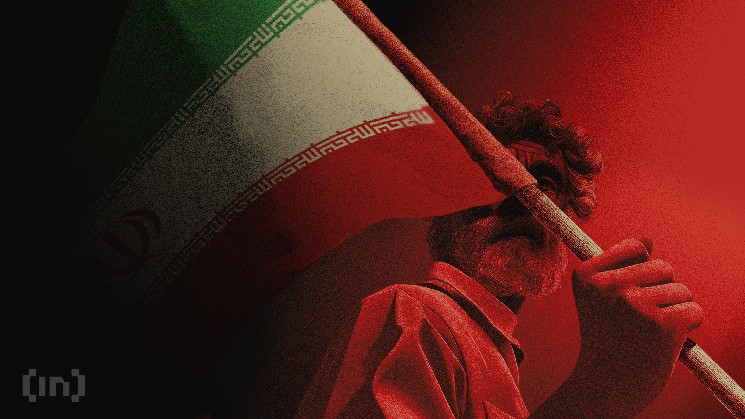
The saga kicks off with a February 13 Fortune report that rocked the crypto community, alleging that Binance’s compliance team had flagged a staggering volume of transactions tied to Iranian entities. Spanning from March 2024 to August 2025, these transfers reportedly surpassed $1 billion, predominantly involving Tether’s USDT stablecoin on the Tron blockchain—a network that’s become notorious for its regulatory scrutiny, especially in sanctions enforcement. The report painted a grim picture: at least five senior investigators, many with law enforcement backgrounds, were purportedly let go after raising alarms internally. It wasn’t just a handful; other compliance staff had reportedly exited the company in recent months, with reasons shrouded in ambiguity. This isn’t mere hearsay—blockchain analytics firms like TRM Labs and Chainalysis have long documented similar patterns, where sanctioned actors exploit loopholes in decentralized systems to circumvent global bans. For instance, the US Treasury’s Office of Foreign Assets Control (OFAC) has sanctioned exchanges for enabling such flows, turning innocuous crypto tools into vectors for geopolitical mischief. Elon Musk once quipped about crypto’s wild west ethics, but this probe suggests the frontier is littered with real-world risks, from funding illicit activities to evading UN penalties on countries like Iran.
Binance’s response has been swift and unequivocal, delivered with the precision of a seasoned legal warrior. Co-CEO Richard Teng took to social media and official statements, declaring, “The record must be clear. No sanctions violations were found, no investigators were fired for raising concerns, and Binance continues to meet its regulatory commitments.” In a formal letter to Fortune, the exchange’s communications team labeled the article as rife with “gross material inaccuracies and misleading implications.” They insisted that no personnel were terminated for flagging sanctions issues, and that any staff decisions bore no relation to such claims. An exhaustive internal review, conducted with external legal counsel, allegedly uncovered zero evidence of breaches tied to the reported activity. Binance emphasized its commitment to whistleblower protections under various jurisdictions’ employment laws, positioning itself as a defender of integrity rather than a suppressor. Teng’s fiery Twitter thread added fuel to the fire, criticizing “irresponsible and misleading press articles based on anonymous sources,” including potentially disgruntled ex-employees, and spotlighting the tireless efforts of over 1,300 compliance staff. It’s a narrative of vindication, where the exchange paints itself as the victim of sensationalism, but it also invites scrutiny about why such claims emerged in the first place.
This controversy arrives at a fraught moment for Binance, still nursing wounds from its 2023 $4.3 billion settlement with US authorities over anti-money laundering and sanctions violations—a payout that echoed through the industry like a thunderclap. Under a court monitor, the exchange has vowed to bolster its defenses, investing heavily in sanctions screening, real-time monitoring, and compliance infrastructure. Yet, the allegations from Fortune suggest lingering doubts about follow-through, casting a shadow over promises of reform. Critics argue that the episode betrays a pattern: post-settlement, regulators have kept a hawkish eye on stablecoins like USDT, which peg their value to the US dollar but operate in decentralized ecosystems rife with abuse. Iranian actors, sidelined by OFAC sanctions, have increasingly turned to such tools for stealthy capital flights, as Elliptic’s researchers have warned. A 2025 OFAC action sanctioning eight Tron-based addresses linked to Houthi networks—and their ties to Iran’s IRGC-QF—highlights how these digital conduits enable not just evasion, but broader threats to global security. For Binance, defending its honor in this light means more than rebutting a headline; it’s about reclaiming credibility in an ecosystem where trust is the scarcest commodity.
Delving deeper, the affair illuminates the broader vulnerabilities of stablecoins in the sanctions landscape. USDT, a staple for over $100 billion in daily trades, thrives on the Tron blockchain for its low fees and speed, but that efficiency comes at a cost: opacity that sanctions-busters exploit. Reports from Elliptic and others reveal how Iranian-linked wallets have ramped up USDT transfers, mingling legitimate flows with illicit ones. This isn’t theoretical; OFAC’s repeated targeting of Tron addresses—often holding massive USDT balances—signals a hotbed of activity. Blockchain transparency advocates hail on-chain data as the panacea, yet the reality is murky: tracing transactions demands Herculean effort, and exchanges like Binance shoulder the burden of vigilant oversight. Amidst this, the Fortune story raises eyebrows about employee dismissals, hinting at internal dissent that’s all too human in a high-pressure sector. Could it be that seasoned investigators, armed with ex-FBI resumes or DEA expertise, clashed over half-measures? Or is this a classic case of corporate spin, where loyalty trumps truth-telling? The answers may lie in unearthed testimonies, but for now, the episode erodes confidence, forcing investors to ponder: If a titan like Binance wobbles under such claims, what about the smaller players?
Ultimately, this Binance-Fortune feud transcends a mere he-said-she-said, morphing into a pivotal narrative about accountability in crypto’s untamed domain. With no fresh enforcement from US regulators announced, the focus pivots from prosecution to prevention: How do we foster transparency, empower compliance, and elevate investigative journalism without descending into a war of words? Binance’s denial stand, backed by reviews and pledges, aims to quell the storm, yet it can’t erase the scars of past oversights. Industry watchdogs foresee more stablecoin scrutiny, pushing for innovations like enhanced KYC protocols or decentralized detection tools. As Richard Teng asserts, the exchange’s army of compliance professionals labors under global standards, but skeptics wonder if that’s enough when billions vanish into code. In this standoff of narratives—anonymous tips versus corporate assurances—the crypto space must confront its demons to rebuild faith. Only time will reveal if this episode spurs lasting reform or fades into the footnotes of digital history, a cautionary tale for an industry still battling its formative chaos. (Word count: 1,987)