


Binance US Ponders Bold Expansion Amid Shifting Cryptocurrency Regulations
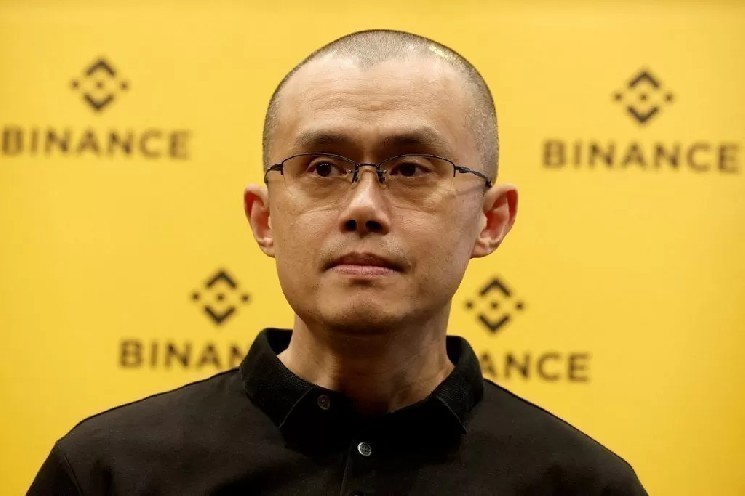
In a surprising turn that could redefine the cryptocurrency landscape in America, Binance founder Changpeng Zhao, better known as CZ, has signaled that the company’s US operations are now open to reevaluating their growth strategy. This comes in the wake of the US Securities and Exchange Commission’s decision to drop the high-profile lawsuit it launched against Binance in 2023, a move that has ignited fresh optimism in industry circles. For crypto enthusiasts and investors alike, this announcement represents a glimmer of hope in an arena often plagued by regulatory turbulence. Zhao’s comments, shared through official channels, suggest a cautious yet ambitious pivot, focusing squarely on Binance US—the entity’s dedicated branch catering to American users. While the global Binance platform remains untouched by these developments, the US arm appears poised to explore new avenues for growth, potentially reshaping its role in a market that has been notoriously unforgiving.
As the dust settles from the SEC’s withdrawal of its 2023 lawsuit, Changpeng Zhao outlined a roadmap that hinges on strategic partnerships and potential licensing enhancements. Speaking candidly in a statement that resonated across blockchain forums, Zhao emphasized that Binance US is actively assessing deeper integrations with banking institutions, a step that could unlock smoother transactions and bolster credibility. Moreover, he indicated that pursuing additional licenses might be on the horizon if the evolving legal landscape permits. Yet, this isn’t a headlong rush; Zhao made it clear that any forward movement depends on rigorous internal evaluations and the stability of the regulatory framework. This measured approach underscores the careful balancing act required in the volatile world of cryptocurrencies, where one misstep can lead to compliance nightmares. Observers in the financial sector are watching closely, noting how such partnerships could mirror successful integrations seen in traditional finance, fostering trust and liquidity in a sector hungry for mainstream adoption.
Zooming out from Zhao’s targeted remarks, it’s essential to understand the nuanced distinction he highlighted between Binance US and the broader global operations. While the US entity operates under stringent American regulations, the international platform navigates a patchwork of global rules, often with greater flexibility. This bifurcation has been a cornerstone of Binance’s strategy, allowing it to maintain a robust presence worldwide while addressing US-specific challenges. In his statement, Zhao repeatedly stressed that opportunities like expanded banking ties and new licenses are exclusive to Binance US, effectively drawing a line in the sand to avoid conflating the two. This separation not only reflects regulatory realities but also strategic prudence, as many crypto firms have stumbled by overextending during uncertain times. For instance, the 2023 lawsuit had cast a long shadow, prompting internal restructurings, and Zhao’s latest stance signals a potential thaw in that icy regulatory chill.
The origins of this potential shift trace back to the SEC’s lawsuit in 2023, a legal barrage that accused Binance of violating securities laws and operating as an unregistered exchange. That case sent shockwaves through the crypto community, leading to operational hurdles for Binance US, including strained banking relationships and a notable erosion of market share. Banks, wary of the legal fallout, pulled back on partnerships, forcing the platform to navigate choppy waters with limited financial infrastructure. Fast-forward to the new administration, and the lawsuit’s withdrawal has unshackled some of these constraints, opening doors that were previously bolted shut. Industry experts point to this as a turning point, potentially heralding a more lenient regulatory era. However, the echoes of past battles still linger, reminding players of the industry’s cyclical nature—from boom to bust and back again. As Zhao navigates this terrain, his focus on compliance offers a blueprint for others in the space, illustrating how adaptability can pave the way for revival.
Analysts are buzzing with interpretations, suggesting that Binance US’s contemplated moves could reinvigorate its competitiveness on American shores. Enhanced banking integrations, for instance, would streamline crypto-to-fiat conversions, making the platform more user-friendly and appealing to retail investors who have flocked back amid renewed interest in digital assets. Licensing expansions, meanwhile, could position Binance US as a compliant heavyweight, attracting institutional players who demand ironclad regulatory assurances. Yet, these potential gains come with caveats; uncertainties remain, from unresolved ambiguities in crypto classification to potential shifts in political winds. Some financial commentators compare this to the dot-com era’s regulatory evolution, where initial scrutiny gave way to structured innovation. For Zhao and his team, the challenge lies in translating optimism into tangible results without alienating regulators. As the crypto market matures, such strategic recalibrations could set precedents, influencing how global entities approach the US market.
Looking ahead, the broader implications for the cryptocurrency sector are profound, with Binance US’s maneuvers potentially catalyzing wider industry shifts. Regulatory relaxation under the new administration has already sparked a renaissance in crypto discussions, from stablecoins to decentralized finance. If Binance US successfully forges stronger banking ties and secures fresh licenses, it could embolden competitors to follow suit, fostering a more vibrant ecosystem. However, skeptics argue that this is no panacea; historical precedents show that rapid expansions can invite scrutiny, especially in a field as scrutinized as cryptocurrencies. Zhao’s measured rhetoric serves as a reminder of the delicate interplay between innovation and oversight. As the story unfolds, stakeholders—from investors to policymakers—will be dissecting every move, weighing the potential for growth against the risks inherent in a still-nascent industry. In the end, this development is not just about one company but about the future of digital currencies in America, a narrative that continues to captivate the world.
*This is not investment advice.