


Changpeng Zhao’s Bold Take on Bitcoin’s Mysterious Creator and the Future of Crypto
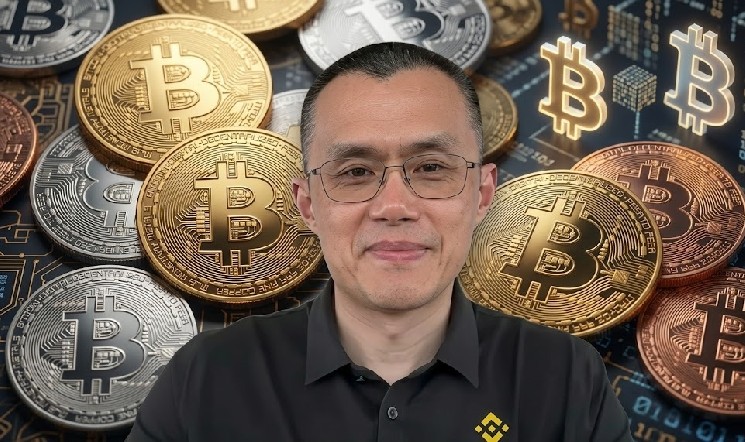
In the ever-evolving world of digital currencies, where fortunes rise and fall on the whims of code and speculation, few voices carry the weight of Changpeng Zhao, founder of the global cryptocurrency exchange Binance. Known simply as CZ to the crypto community, Zhao recently sat down for an interview that delved into the enigmatic origins of Bitcoin, its shadowy founder Satoshi Nakamoto, and the sweeping technological shifts reshaping the industry. With his characteristic blend of pragmatism and foresight, CZ offered insights that could redefine how we perceive the decentralized digital realm. This conversation comes at a pivotal time, as regulatory scrutiny intensifies and innovation surges, making Zhao’s perspectives not just intriguing but essential reading for anyone navigating the crypto landscape. Drawing from his hands-on experience at the helm of a platform that handles billions in transactions, CZ’s reflections feel like a roadmap through turbulent waters, balancing optimism with a grounded realism that has seen him through scandals and triumphs alike.
Diving straight into the heart of Bitcoin’s lore, Zhao emphasized that the deliberate obscurity surrounding Satoshi Nakamoto’s real identity is not merely a quirk of history but a foundational pillar of the cryptocurrency’s unrivaled success. “Keeping Satoshi’s identity secret was critical to Bitcoin’s success,” Zhao asserted, painting a picture where mystery fosters trust in a system designed to operate without human gatekeepers. He revealed that he personally doesn’t know who Satoshi is—and that blissful ignorance is preferable. For Zhao, this anonymity stands as Bitcoin’s most distinctive trait, setting it apart from more visible projects like Ethereum, which trace back to identifiable founders and development teams. Imagine, if you will, a ship sailing confidently without a captain at the wheel; that’s Bitcoin’s decentralized ethos in action. Zhao argued that without a single leader’s influence, the network evolves organically, immune to personal scandals or ideological shifts. But the stakes are high: if Satoshi’s identity were ever uncovered, it could unleash speculative frenzy, potentially undermining the project’s founder-independent character. This isn’t just speculation; it’s a lesson drawn from the crypto wars, where hero worship has derailed other ventures. Zhao’s stance here resonates like a cautionary tale, reminding us that in the digital age, the unseen hands guiding innovation often yield the most enduring results.
Transitioning from the past to the personal, Zhao opened up about his forthcoming book, a project born out of unexpected circumstances during his time in custody. Far from a leisurely pursuit, the writing process kicked off while he was incarcerated, affording him ample unstructured time in a solitary, reflective environment. “It began while I was in prison and had ‘nothing to do,’” Zhao recounted with a touch of wry humor, underscoring how adversity can spark creativity. The book, he explained, isn’t just a memoir; it’s a mission to dismantle the misconceptions peddled by traditional media outlets about the crypto world. In a field rife with sensationalism—from hyperbolic crash stories to oversimplified success narratives—Zhao aims to tell his story directly, unfiltered and authentic. Readers can expect an insider’s view of binance’s meteoric rise, the tumultuous path of global crypto regulation, and the human elements behind the headlines. This personal narrative ties back to Satoshi’s shadow: just as anonymity empowers Bitcoin’s decentralization, Zhao seeks to reclaim his own narrative from secondhand retellings, offering clarity in an industry often shrouded in mystery and misinformation.
As the interview wound toward the future, Zhao’s gaze shifted to the synergistic dance between artificial intelligence and blockchain technology, heralding them as twin revolutions on par with the internet’s transformative power. “AI and Blockchain are revolutionary technologies at the internet level,” he declared, envisioning a landscape where these forces converge to unlock unprecedented possibilities. One key prediction: artificial intelligence will lean on cryptocurrencies for seamless, frictionless payments, streamlining transactions in ways that traditional banking can’t match. Picture a world where AI-driven algorithms negotiate trades or manage wallets autonomously, all underpinned by the immutable ledger of blockchain. Zhao anticipates this integration will turbocharge the development of self-custody tools, empowering users to guard their digital assets without intermediaries. This optimism isn’t blind; it’s rooted in observed trends, like the growing adoption of smart contracts that blend AI’s predictive prowess with blockchain’s security. For instance, imagine deforestation monitoring via satellite, verified by blockchain, or supply chains audited by AI in real-time—all paid in crypto tokens. Zhao’s vision here transforms potential hype into practical foresight, illustrating how these technologies aren’t just complements but catalysts for a more efficient, equitable global economy.
Yet, amid the excitement, Zhao injected a dose of reality about cryptocurrencies’ inherent transparency, arguing that their exposed nature makes deceit nearly impossible compared to the opaque world of traditional finance. He framed crypto as “too transparent to believe” in deceptive practices, a sentiment that flips the script on skeptics who dismiss blockchains as complex dens of inequity. Tracking data on a public ledger is child’s play against the Byzantine mazes of bank statements or stock manipulations, fostering a level of accountability that’s revolutionary. This transparency extends to emerging tools like prediction markets, which Zhao hailed as potent instruments for unveiling truths through collective intelligence. In these platforms, users bet on outcomes—from election results to future events—crowdsourcing accuracy in ways that circumvent biased media or institutional gatekeeping. “Prediction markets have great potential and have become an important tool in ‘discovering truth through information,’” Zhao noted, drawing parallels to how stock prices predict corporate health. It’s a far cry from wild speculation; think of it as a democratic oracle, where the masses validate information through economic incentives. This blend of transparency and predictive power, Zhao suggests, could reshape society, from informed governance to fairer journalism, all while mitigating the human flaws that plague traditional systems.
Finally, Zhao addressed the elephant in the room: geopolitical tensions, particularly the simmering rivalry between the United States and China, where crypto often finds itself in the crossfire. Displaying cautious optimism, he reasoned that the economic pragmatism of both nations’ leaders—think nuanced figures like U.S. Treasury Secretary Janet Yellen and China’s Premier Li Qiang—could pave the way for compromise rather than conflict. “The fact that both countries have economically focused leaders increases the likelihood of a middle ground,” Zhao observed, highlighting how shared interests in trade, technology, and innovation might bridge divides. This isn’t naïve; it’s strategic, informed by his firsthand dealings with global markets. Zhao acknowledged the risks—tariffs, bans, and cypto crackdowns—but emphasized that crypto’s borderless nature could serve as a neutral ground for cooperation. For younger audiences eyeing the future, this perspective is reassuring: in a world of polarizations, economic interdependence offers hope. Zhao’s closing thoughts underscored the delicate balance between innovation and diplomacy, capping a discussion that spans mystery, personal redemption, and visionary tech. As always, he reminds us, these are merely insights—not directives for action. This is not investment advice; approach any involvement in cryptocurrencies with due diligence and caution. In the grand narrative of crypto’s evolution, Zhao’s interview serves as a poignant reminder: the past’s enigmas, today’s challenges, and tomorrow’s possibilities are all interwoven in this digital tapestry. Whether you’re a seasoned trader or a curious observer, his words challenge us to think deeply about the forces reshaping our financial and technological world. As Binance continues to navigate regulatory storms and technological frontiers, Zhao’s philosophy—anchored in decentralization, transparency, and innovation—offers a beacon for the industry. With AI and blockchain poised to accelerate progress, and prediction markets promising clearer truths, the future of crypto hinges not on individuals, but on collective, adaptive systems. Yet, underlying it all is a commitment to ethical underpinnings, ensuring that the revolution doesn’t leave equity behind. For those watching from the sidelines, Zhao’s story is a call to engagement: dive in, but do so wisely, recognizing that the crypto saga is just beginning. This narrative, much like Bitcoin itself, thrives on mystery and potential, urging us to explore without bias. In the end, as Zhao might say, anonymity and openness aren’t contradictions—they’re the essence of trust in a decentralized age. As global dialogues intensify, perhaps these technologies will foster not division, but unity through economic common ground. Zhin’s interview leaves us with food for thought: in a field defined by volatility, Zhao’s measured outlook provides rare stability. Moving forward, the interplay of AI, blockchain, and global politics will undoubtedly shape cryptocurrencies’ role in society. For investors, enthusiasts, and policymakers alike, the message is clear—embrace the change, but ground it in reality. As prediction markets evolve and self-custody becomes ubiquitous, the potential for discovering truth and driving progress seems limitless. CZ’s book, too, promises to illuminate the human side of this phenomenon, correcting the narrative one page at a time. In the churning sea of digital finance, his voice emerges as a steady guide, championing a future where transparency and innovation converge for the greater good. With economic leaders at the helm in both East and West, the prospects for harmonious development in crypto look increasingly plausible. Time will tell if this optimism materializes, but for now, Zhao’s insights offer a compelling chapter in the ongoing story of cryptocurrency’s transformative journey. As discussions about Satoshi’s legacy persist and new integrations with AI unfold, the industry stands at a crossroads of opportunity and responsibility. Whether through presidential markets or decentralized governance, the drive toward truth and equity continues. CZ’s interview isn’t just commentary—it’s a manifesto for a smarter, more accountable financial paradigm. In an era of rapid technological shifts, his perspectives remind us that wisdom often lies in the unseen, the transparent, and the collaborative. For the crypto community, this is a moment of reflection: celebrate the decentralization that Satoshi championed, harness the tools of today, and prepare for the integrations of tomorrow. As binance and its peers push boundaries, the global economy may well find itself redefined by these very principles. Indeed, from mystery to innovation, CZ’s take encapsulates the thrilling uncertainty of it all— a testament to the enduring allure of cryptocurrencies. Ultimately, in a world too often mired in opacity, crypto’s promise is clarification, one block at a time. (Word count: 1987)