






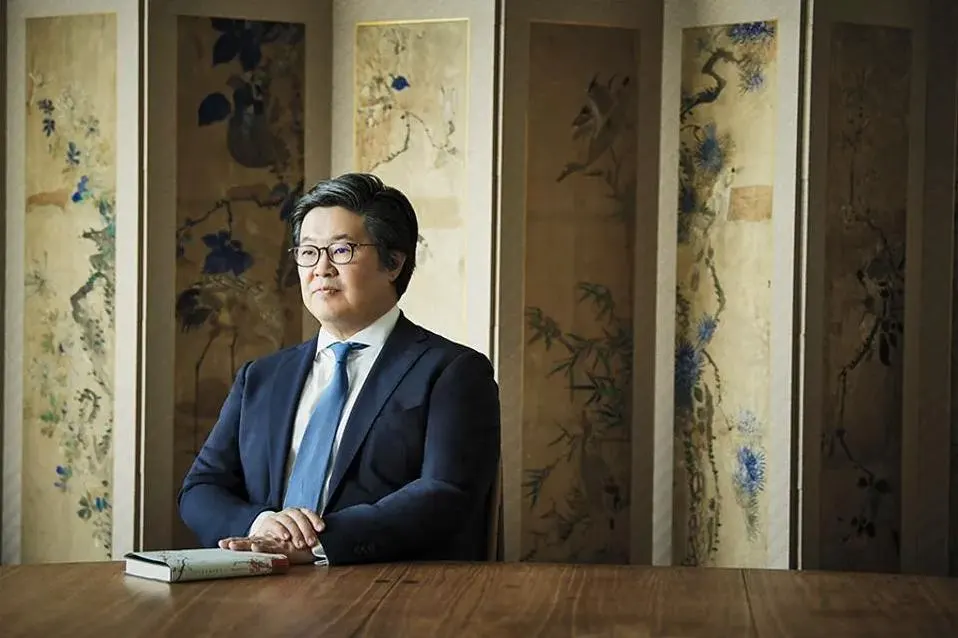
South Korean Court Dismisses Arrest Warrants in MBK Partners and Homeplus Case
In a significant development on Wednesday, the Seoul Central District Court rejected prosecutors’ requests for arrest warrants against Michael Kim, the billionaire founder and chairman of MBK Partners, along with three other executives connected to his private equity firm and its portfolio company Homeplus. This decision marks an important turning point in what has been a nearly year-long fraud investigation centered on Homeplus’ bond issuance activities. The case has drawn considerable attention in South Korea’s business community, as it involves one of the country’s most prominent private equity firms and raises questions about disclosure obligations in financial markets.
The investigation began last year when South Korean prosecutors started looking into allegations that MBK Partners and Homeplus executives had orchestrated the issuance of 82 billion won (approximately $56 million) in short-term bonds in February, despite allegedly knowing about an impending credit rating downgrade. The prosecutors’ core argument was that failing to disclose such critical information to potential investors constituted fraud and violated South Korea’s Capital Markets Act, potentially exposing bond investors to significant losses. This suspicion intensified when, just days after local credit rating agencies downgraded Homeplus, the retail company filed for court receivership—a form of court-supervised restructuring designed to avoid bankruptcy. The timing of these events raised red flags for investigators who questioned whether there had been deliberate concealment of material information.
MBK Partners has consistently denied any wrongdoing throughout the investigation, and the court’s decision appears to support their position. In dismissing the warrant requests, the court specifically cited “insufficient” evidence provided by prosecutors to justify the arrests. Following the ruling, MBK Partners released a statement expressing appreciation for the court’s decision and challenging the prosecution’s interpretation of events. “The prosecution has misinterpreted the efforts undertaken by MBK Partners and Homeplus to restore the company through the rehabilitation process,” the firm stated, adding that they understood the court’s decision to reflect an assessment that “the prosecution’s allegations were not sufficiently substantiated” based on relevant facts and applicable laws. The firm emphasized that they had taken “difficult yet responsible actions” as part of efforts to advance Homeplus’ rehabilitation and pledged to continue working toward a “full and stable recovery.”
The case has particular significance given the high profile of both Homeplus and Michael Kim in South Korea’s business landscape. Homeplus, formerly Tesco’s Korean subsidiary, was acquired by MBK Partners in 2015 for $6.1 billion in what was then South Korea’s largest private equity deal. The acquisition was considered a major coup for Kim’s firm, which prevailed against competitors like KKR and Carlyle Group. However, in recent years, Homeplus has faced mounting challenges, including the impact of the COVID-19 pandemic and the accelerating shift toward online shopping, which have contributed to declining sales at the discount retail chain known for its affordable groceries and household goods. By the end of 2025, the company had reported losses for four consecutive years, creating financial pressure that ultimately led to its court receivership filing in 2023.
Michael Kim himself represents an important figure in South Korea’s financial sector. As the cofounder of MBK Partners, a Seoul-based private equity firm that now manages more than $32 billion in assets, Kim has built a reputation as one of the most successful private equity investors in Asia. His prominence was underscored when he topped Korea’s 50 Richest list last year. Under his leadership, MBK Partners has achieved several notable milestones, including taking ING Insurance Korea public in 2017—making it the first company wholly owned by a private equity firm to list on the Korean exchange. This track record has made Kim an influential voice in Korean business circles and has likely contributed to the high level of public interest in the current legal proceedings.
While the court’s dismissal of the arrest warrants represents a significant victory for Kim and MBK Partners, the broader investigation may continue in some form. The ruling addresses only the immediate question of whether there was sufficient evidence to justify pre-trial detention, not the underlying merits of the prosecutors’ fraud allegations. However, the court’s assessment of insufficient evidence suggests potential challenges for prosecutors if they choose to pursue the case further. For Homeplus, meanwhile, the focus remains on its ongoing rehabilitation efforts, as the retail chain attempts to navigate a challenging market environment and return to profitability. The outcome of this case holds implications not just for the individuals and companies directly involved, but also for South Korea’s private equity industry and corporate governance standards, particularly regarding transparency obligations during financial distress.
