


The culinary world is holding its breath. With just weeks to go before the much-anticipated announcement of The 50 Best Restaurants 2026, the excitement has reached a fever pitch. The main event, a glamorous gala ceremony in the Peruvian capital of Lima, will unveil the top fifty restaurants on 4 November. But before that grand finale, the organisers have given us a tantalising taste of what’s to come: the extended list, covering positions 51 to 100, has just been released, and it is a thrilling, diverse collection of dining destinations. This year’s extended list is notably global, featuring restaurants from 36 cities across six continents, all chosen through the ballots of more than 1,100 international experts, including chefs, food writers, and passionate culinary specialists. For the world’s restaurant lovers, this list is a treasure map, a guide to future pilgrimages, and a reminder that excellence in food is not confined to a handful of famous capitals. From a seaside inn in Italy to a rooftop in Istanbul, these forty-nine restaurants represent the rich, layered, and endlessly inventive nature of contemporary gastronomy.
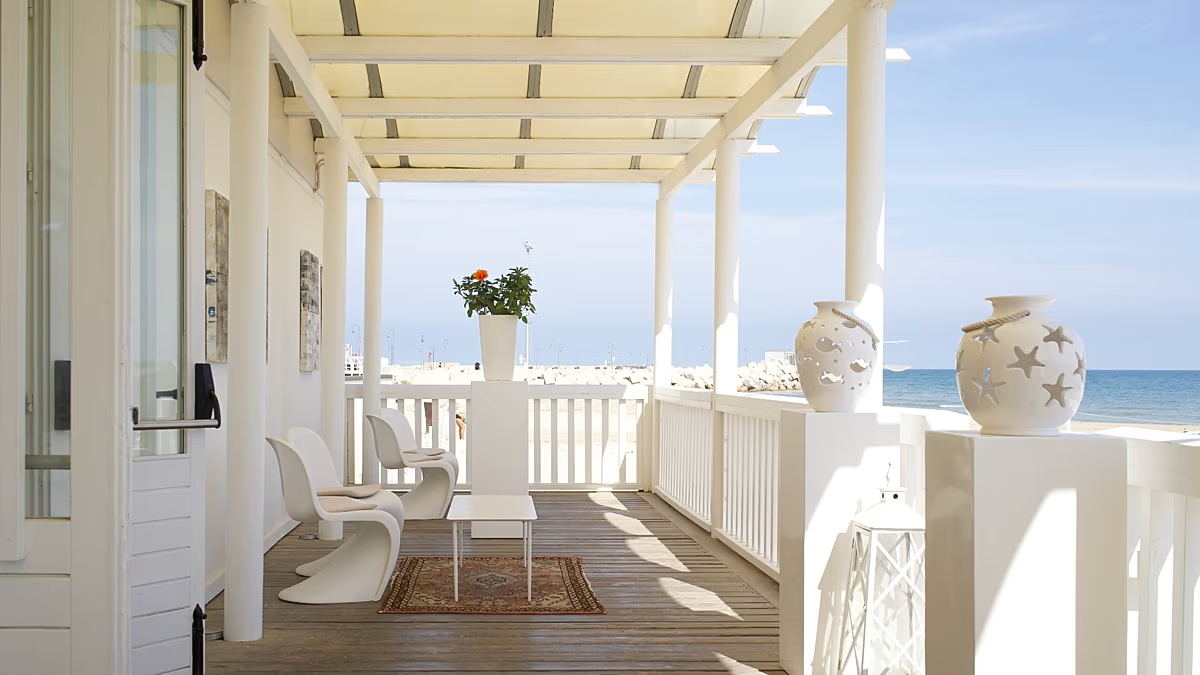
Europe, as always, makes a powerful statement. The continent claims the lion’s share of the extended list, with twenty restaurants across eleven different countries landing in the 51–100 range. Leading the charge is Uliassi in Senigallia, Italy, which takes the coveted No. 51 spot, sitting right on the threshold of the top fifty. It’s a poetic position—so close to glory, yet already celebrated in its own right. Uliassi, a modern seafood restaurant overlooking the Adriatic coast, embodies the kind of quiet, confident excellence that defines this list. Behind Italy, four European nations—Belgium, France, Germany, and Spain—each boast three restaurants, a testament to the extraordinary depth of their culinary scenes. Belgium’s entries read like a love letter to restrained creativity: The Jane in Antwerp at No. 63, a stunning space inside a former chapel; Willem Hiele in Oudenburg at No. 66, a chef-driven, almost philosophical dining experience; and Eliane in Brussels at No. 86, a passionate, personal project that has already earned international admiration. France, the historical heart of fine dining, is represented by three voices that speak for different traditions: Arpège in Paris at No. 67, Alain Passard’s temple of vegetable and fire; Septime in Paris at No. 81, a modern bistro that redefined casual elegance; and Le Doyenné in Saint-Vrain at No. 84, a countryside escape where chef James Henry and his team grow their own produce and cook with deeply local, seasonal reverence. Germany, meanwhile, sends a powerful trio from its capital: Nobelhart & Schmutzig at No. 76, known for its radically regional philosophy; Coda at No. 82, a dessert-focused fine dining experience that shatters expectations; and Tim Raue at No. 85, a high-octane, spice-driven showcase from one of Berlin’s most famous chefs. Each of these restaurants is a reminder that Europe’s culinary landscape is not a monolith but a mosaic of individual stories, fierce identities, and unshakeable convictions about what makes a meal unforgettable.
Spain, always a heavyweight in world gastronomy, places three restaurants on the extended list, each one a protagonist in a different narrative. At No. 69 is Cocina Hermanos Torres in Barcelona, the twin brothers’ theatrical, wildly creative dining room that has become a modern classic. At No. 80, Txispa in Atxondo, a relative newcomer nestled in the Basque countryside, offers a more intimate and boundary-pushing experience, rooted in the region’s rich culinary heritage yet unafraid to experiment. And at No. 100, closing the extended list with a flourish, is Aponiente in El Puerto de Santa María, Ángel León’s legendary project on the Andalusian coast. Known as the “chef of the sea,” León has spent years pioneering marine cuisine, using ocean ingredients that most chefs overlook, in a fierce commitment to sustainability and a deeply poetic vision of the coast. Across the Atlantic in London, the United Kingdom claims two elegant restaurants on the list. At No. 70, Kol, led by Mexican-born chef Santiago Lastra, brings the wood-fired heart of Mexican cuisine to the heart of Marylebone, while at No. 83, The Ledbury returns to the extended list for the first time since 2019—a particularly emotional re-entry for chef Brett Graham, who has guided the Notting Hill institution through change and resilience. Together, these Spanish and British entries show how the extended list rewards both trailblazing newcomers and beloved veterans, and how a restaurant’s place on this list is not just a ranking but a recognition of a living, breathing, evolving project.
Beyond the big-name nations, the extended list is full of discoveries that feel deeply personal and wonderfully diverse. Denmark’s Koan in Copenhagen takes No. 57, a serene, minimalist counter restaurant where the tasting menu is a meditation on precision and purity, led by chef Kristian Baumann. At No. 58, Sweden’s Frantzén in Stockholm continues to dazzle with its multi-roomed, theatrical journey through Nordic and international flavours, a restaurant that has long been regarded as one of Europe’s most ambitious. Slovenia’s Hiša Franko at No. 60 is perhaps the most emotionally resonant entry on the list. Located in the tiny village of Kobarid, in the Julian Alps, this is the restaurant that made Ana Roš a global icon—a former politician turned self-taught chef who cooks with a fierce intelligence and a profound connection to her mountain landscape, wild herbs, local farmers, and the memory of her late husband. Portugal’s Belcanto in Lisbon, at No. 75, is another heartfelt inclusion: chef José Avillez’s flagship restaurant inside the Chiado district is a love letter to Portuguese culinary history, where dishes are playful, nostalgic, and utterly refined. Then there is Neolokal in Istanbul, at No. 94, a bright, contemporary restaurant perched above the city’s bustling streets, where chef Maksut Aşkar reimagines Anatolian ingredients with a modern, globally informed sensibility. These restaurants remind us that Europe’s gastronomic map is wonderfully eccentric, with remarkable talents thriving far beyond Paris, London, and Madrid. They are places where food is not just served but translated, where every plate tells something about a place, its people, and a chef’s personal truth.
While Europe dominates the extended list in sheer numbers, the selection is emphatically global. Asia is represented by seventeen restaurants, a powerful affirmation of the continent’s extraordinary culinary dynamism, from the bustling street-food-inspired fine dining of Southeast Asia to the meticulous, ingredient-obsessed kitchens of Japan and South Korea. North America contributes six restaurants, a mix of established icons and thrilling new voices, reflecting both the enduring power of American fine dining and the rise of more casual, community-focused kitchens. South America, appropriately, has three restaurants on the list as the continent prepares to host the 2026 gala in Lima, a city many regard as the gastronomic capital of the region. Africa and the Middle East each send two restaurants, a sign of the growing global recognition of their culinary scenes. The presence of these restaurants from six continents within the extended list is not merely a matter of geographical spread. It is a philosophical statement by the fifty-best organisation: excellence is not a single taste or style, but a polyphony of voices. The extended list celebrates chefs who work with humble local ingredients, who revive ancient traditions, who embrace cutting-edge technology, or who simply cook from the heart. For every restaurant ranked 51st to 100th, tasting this global range is a reminder that the world of food is vast, surprising, and endlessly generous.
In the end, the extended list is more than just a preliminary ranking; it is a story of anticipation, a celebration of craft, and a promise of many marvellous meals. For the chefs and their teams, earning a place on this list—whether at 51 or 100—is a monumental achievement. It means their work has been seen, tasted, and honoured by more than a thousand of the world’s most discerning palates. It puts them on a stage, but it also places them in a community of peers, all of whom understand the sacrifices, the late nights, the relentless pursuit of perfection, and the quieter, profound satisfaction of watching a guest smile at the first bite. For readers and travellers, the extended list is an invitation: a challenge to leave familiar streets, to book a table in an unfamiliar city, to trust a chef you have never met. As the world turns its eyes toward Lima, and the final top fifty is revealed on 4 November, these forty-nine restaurants will continue to shine in their own right. Some will feel the sting of being so close to the top fifty; others will savour the joy of a well-earned ranking. But together, they remind us that rankings are fleeting and personal experiences are forever. The 2026 extended list is a gift to the global food community, a snapshot of a beautiful, restless, and ever-evolving moment in the culinary world. It is, above all, a source of inspiration—a reason to dream of the next great meal, the next new destination, and the next unforgettable taste.