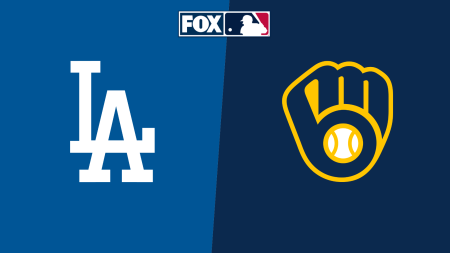




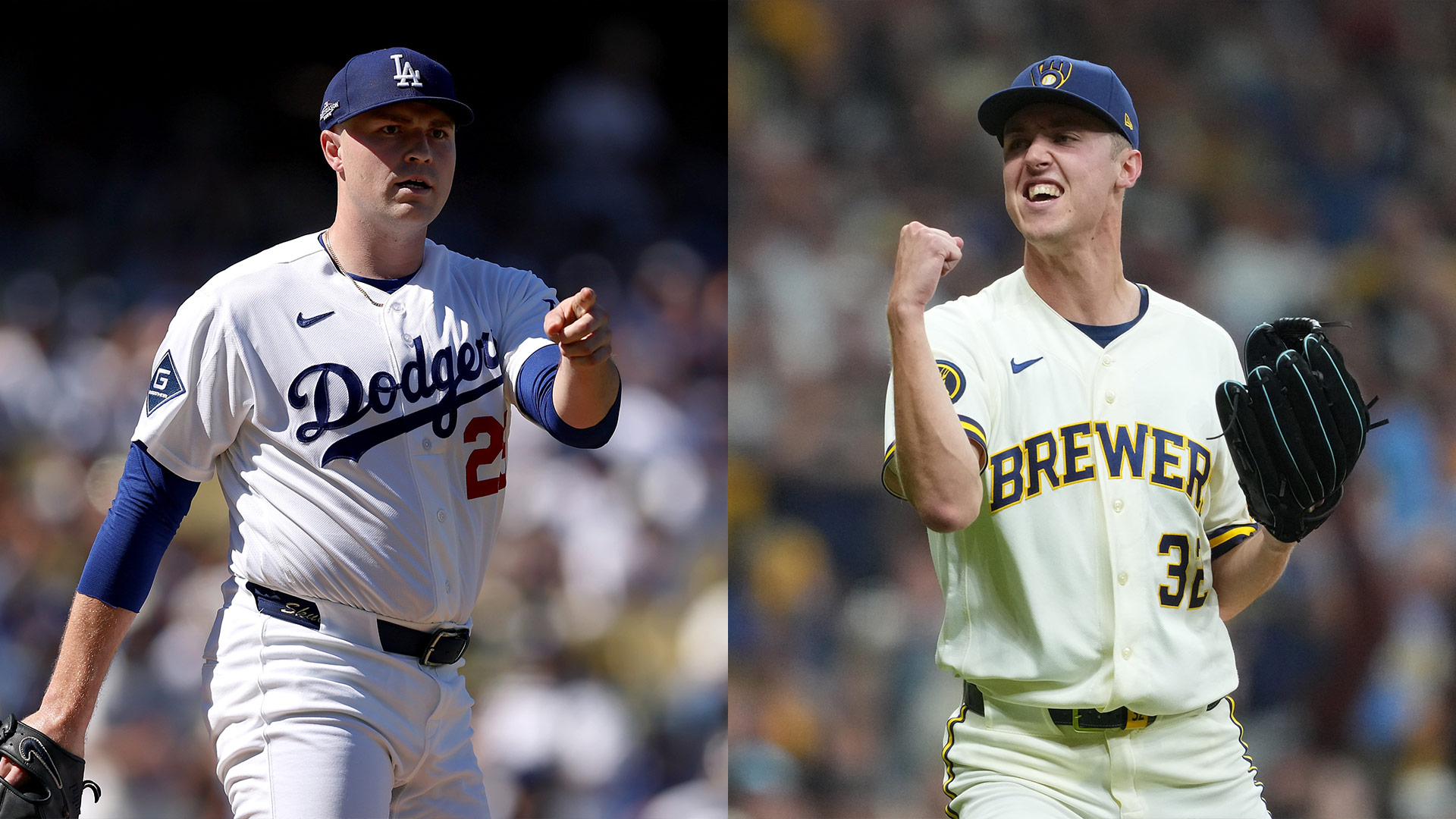
October has a way of making every announcement feel larger than life, and the Los Angeles Dodgers’ decision to hand the ball to Tarik Skubal for Game 1 of the National League Championship Series is no exception. With the Milwaukee Brewers waiting at American Family Field, Dodgers manager Dave Roberts confirmed Friday that Skubal, the left-hander with two Cy Young Awards already on his shelf, would take the mound on Sunday night. It is a decision that feels both obvious and vital. The Dodgers have spent the whole season trying to build a pitching staff strong enough to survive October’s unrelenting pressure, and now they are putting their faith in one of the most dominant arms in baseball. Skubal has been exactly the kind of stoic, composed presence teams crave in the postseason. He started Game 1 of the National League Division Series against the Atlanta Braves, and he delivered a dazzling performance, throwing six innings of one-run baseball while scattering just two hits. He struck out seven, walked only two, and gave the Dodgers a 5–3 victory that set the tone for the series. It was the kind of outing that makes a manager sleep a little easier, a reminder that some pitchers are built for the bright lights and the late-night pressure. But the Brewers are not going to make anything easy. They are coming into this series with their own confidence, their own ace, and their own belief that home-field advantage and a loud Milwaukee crowd can tilt the balance. The NLCS is a best-of-seven marathon, a test of pitching depth, bullpen management, and sheer mental endurance. And before the first pitch is thrown on Sunday, both teams are already playing a quiet but intense game of preparation, trying to anticipate every move, every matchup, and every possible turning point.
The news about Skubal, of course, is only half the story. Roberts also revealed that Yoshinobu Yamamoto, the Dodgers’ prized Japanese right-hander who became a household name during last year’s postseason run, would start Game 2 on Monday at American Family Field. Yamamoto was brilliant in the Division Series, taking the mound for Game 3 against the Braves and turning in seven innings of one-run ball. He struck out ten batters, allowed just four hits, and walked only one, a performance that reminded everyone why the Dodgers invested so heavily in him. His quick, decisive style and his ability to change speeds with pinpoint command make him a nightmare for opposing hitters, especially in October when every pitch matters. Yamamoto has a calm expression and a competitive fire that does not always show on the surface, but it is there in every sharp-breaking splitter and every carefully placed fastball. He has already shown that he can rise to the occasion on the biggest stage, and the Dodgers are hoping he can give them another series-defining outing. The decision to start Skubal and then Yamamoto also says something about how the Dodgers view this series. They want to jump out early. They want to put pressure on Milwaukee before the Brewers can settle into a rhythm. They want to steal a game on the road if possible, and then let Yamamoto anchor the second game while the rest of the rotation and bullpen figure out the rest. That kind of thinking is common in October, but it is still a high-wire act, because baseball has a way of ignoring even the best-laid plans.
On the other side, the Brewers have their own reason for optimism in the form of Jacob Misiorowski. The young right-hander has emerged as Milwaukee’s staff ace, and he will get the ball in Game 1 in what promises to be an emotional and electric night at American Family Field. Misiorowski has already shown he is not afraid of the Dodgers. During the regular season, he made two starts against Los Angeles, and he also pitched in relief against them in last year’s National League Championship Series. In those combined 17 innings, he has posted a microscopic 1.59 ERA while striking out 27 batters and walking only three. Those numbers are not just impressive; they are the kind of numbers that make hitters change their approach before they even step into the box. Misiorowski is young, but he carries himself with the confidence of a veteran. He attacks the strike zone, he trusts his stuff, and he seems to brighten when the moment gets bigger. For Brewers fans, this is exactly what they want to see: a homegrown ace with a little bit of edge, ready to face a Dodgers lineup that can be overwhelming when it gets rolling. But there is also a subtle tension here. The Brewers are relying on a young pitcher to outduel two of the most accomplished starters in the game. Skubal has the pedigree, Yamamoto has the mystique, and Misiorowski has the raw talent and the fearlessness of someone who has not yet learned to doubt himself. It is a fascinating contrast, and it makes Game 1 even more compelling. The Dodgers know what they are getting from Skubal, but the Brewers are hoping that Misiorowski’s quiet confidence and his familiarity with this opponent can carry the day.
The Dodgers’ rotation decisions did not come without some rough patches, and Roberts has been honest about the challenges of putting together a pitching staff for a best-of-seven series. Blake Snell, another two-time Cy Young Award winner, struggled when he started Game 2 against the Braves. The Braves managed to win that game 3–2, evening the Division Series at one game apiece and forcing the Dodgers to regroup. Snell’s outing was not what anyone expected, but the Dodgers rallied around each other and eventually eliminated the Braves in four games. That resilience matters. It shows that this team does not panic when things go wrong, and it also shows that the Dodgers understand how quickly October can turn on a single bad inning. Roberts’s decisions from here on out will be scrutinized, and he seems to know that. He acknowledged the team is in discussions about adding another pitcher to the roster for the NLCS, which would mean dropping a position player to create room. That is a tough call, because position players are valuable for their versatility and late-game defense, but the reality of a seven-game series is that pitching depth can be the difference between celebrating and going home. Rosters are due Sunday morning, so there is not much time to overthink. The coaching staff, the front office, the medical trainers, and the analytics department are all likely poring over matchups, injury reports, and bullpen usage charts, trying to find an edge. In many ways, this is the hidden battle of the playoffs. It is not just about the players on the field; it is about the decisions made in the quiet hours before the roster is locked.
One of the most human elements of this story is Miguel Rojas, the veteran utility player who has been dealing with lower back pain. Rojas exited Game 3 against the Braves during an at-bat, and for a 37-year-old player who has spent his career doing the unglamorous work—ground balls, sacrifice bunts, late-inning defensive switches—this kind of injury is more than just a physical inconvenience. It is a reminder that time is running out. Rojas has been open about the fact that he is leaning toward retirement at the end of this season, and that makes every ache and every cold morning a little heavier. The Dodgers sent him for imaging, and the results were mostly reassuring, showing what Roberts described as prior back issues rather than a new, serious structural problem. Rojas took ground balls and a couple of rounds of batting practice at Dodger Stadium on Friday, which was encouraging for a team that needs his flexibility and experience. Roberts tried to stay measured, saying, “Today was encouraging. We still have a flight to get on and see how he comes in tomorrow for the workout there, so there’s nothing definitive.” That caution makes sense. In October, players push through things they would never endure in the regular season, and Rojas is the kind of player who will try to play until his body simply will not allow it anymore. His situation is a reminder that these postseason games are not just about statistics and championships. They are also about people, about players who have given their entire lives to this sport and who want to end their careers with a taste of something unforgettable.
As the series shifts to Milwaukee, there is a quiet understanding on both sides that the next few days could define an entire season. For the Dodgers, the goal is simple: survive, win four games, and move one step closer to another title. For the Brewers, this is a chance to prove that they belong on the biggest stage, that their young ace can outduel the established stars, and that a city that loves its baseball team can roar loud enough to carry them through. The pitching matchups have been set, but baseball is never that predictable. A bullpen call can change everything. A two-strike single can break hearts. A defensive play that nobody expects can become a memory that lasts forever. Skubal and Misiorowski will start the series, Yamamoto will follow, and somewhere in the crowd there will be fans who have been waiting their whole lives for moments like these. There will be nerves, exhausted pitchers, questionable decisions, and brilliant escapes. There will be players like Miguel Rojas, trying to ignore the pain because the season is worth it. And there will be managers like Dave Roberts, making choices with incomplete information and hoping that the odds are in their favor. October is not a time for perfect answers. It is a time for imperfect people to do extraordinary things under the brightest lights in the sport. The Dodgers and the Brewers have earned their way here, and now it comes down to the simple, beautiful, often heartbreaking game of baseball.