



Good morning, and welcome to Fox News First, your early-morning briefing designed to turn a chaotic news cycle into something you can actually hold onto. Today’s lineup has a little bit of everything: international intrigue, political tension, and a hefty dose of artificial intelligence debate. The top story reads like a spy novel: a California realtor accused of espionage for China was arrested at Los Angeles International Airport just as she tried to leave the country. It’s the kind of headline that makes you double-check your neighbor’s profession, and it serves as a reminder that counterintelligence isn’t just a Cold War relic. Meanwhile, the Yemeni government is pushing back against Iran-backed Houthi forces, adding another layer to a volatile region that continues to demand Washington’s attention. The move signals a shift in the balance of power, but as with everything in the Middle East, the situation remains fragile and unpredictable. And in the world of tech, OpenAI CEO Sam Altman is making a controversial plea: sometimes the world has to accept a few bad things to reap the benefits of AI. It’s a nuanced message, but one that lands with a thud in an era of deepfakes, job displacement fears, and ethical hand-wringing. Altman’s point, stripped down, is that no transformative technology arrives without collateral damage. Whether you agree or not, it’s a conversation that isn’t going away. These three stories set the tone for a day that asks us to balance security, innovation, and the messy realities of global power. The newsletter is designed to get you from zero to informed in a few minutes, but today’s headlines are so dense that you might want to linger. From airport arrests to geopolitical chess moves, the morning briefing is packed with developments that will shape the next 24 hours. So grab your coffee, settle in, and let’s walk through the stories that matter. We’ll keep it human, because news should feel like a conversation, not a bulletin. Here’s what you need to know to start your day.
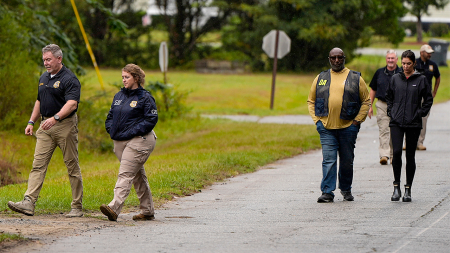
Moving beyond the top three, the morning’s major headlines carry a heavy emotional weight. In Georgia, what should have been a joyful homecoming party turned into a nightmare when gunfire erupted, leaving two people dead and 35 injured. Small-town shock is an understatement; communities across the country are once again grappling with the sudden, senseless violence that turns celebrations into memorials. The details are still emerging, but the pain is already palpable, and it will undoubtedly reignite the familiar debates about public safety and gun laws. In a separate legal battle, New York Attorney General Letitia James is facing calls to recuse herself from an investigation involving an alleged sexual assault at Cornell University. The case has become a political lightning rod, with critics questioning whether her involvement can remain impartial. It’s a messy situation that highlights how quickly legal matters become entangled with politics. On the national security front, the Pentagon announced a pivotal move in response to a suspected Iran-linked terror plot, signaling that the military is shifting gears to address emerging threats before they materialize. The details are classified, but the message is clear: the United States is not waiting around to be caught off guard. The realtor spy case also resurfaced in this section, with new details about how she was caught at LAX, allegedly trying to board a flight out of the United States. It’s a reminder that espionage can happen in the most ordinary settings, often right under our noses. And in a story that blends tech, politics, and ego, Elon Musk declared “no more AI” for one of his ventures as the SpaceX arm gets a new name following an executive order from President Trump. The move has sparked confusion and curiosity, but it’s classic Musk: unpredictable, headline-grabbing, and impossible to ignore. Together, these stories paint a picture of a nation on edge, but also one that is constantly adapting. The morning news isn’t just a list of events; it’s a snapshot of a society wrestling with safety, justice, and the ever-shifting boundaries of power.
Politics, as always, is a contact sport, and today’s political headlines are no exception. One of the more intriguing stories involves artificial intelligence supercharging political ad wars. Campaigns are using AI to create hyper-targeted, viral content, but the piece asks a sharp question: does viral actually mean victorious? In a world where a clever deepfake can dominate the conversation for a day, voters are learning to be skeptical, and strategists are learning that attention doesn’t always translate to votes. It’s a brave new world, and both parties are trying to figure out the rules as they go. Meanwhile, Democratic senators found themselves squirming when asked whether they would back Vice President Kamala Harris for president in 2028. The awkwardness was palpable; no one wants to commit too early, but the hesitation speaks volumes about the internal dynamics of the party. Some tried to pivot, others offered lukewarm praise, but the overall impression was one of uncertainty. In another political twist, a tech powerhouse’s regulatory push is drawing comparisons to a notorious Washington strategy. It’s a classic power play: embrace regulation to shape it, or use it to hobble competitors. The story suggests that what looks like corporate responsibility might actually be strategic maneuvering. And then there’s the growing rivalry between Senator Ted Cruz and Vice President JD Vance. Cruz suggested that Vance is “feeling insecure,” and the back-and-forth has all the hallmarks of a GOP civil war playing out in public. It’s the kind of friction that makes politics endlessly fascinating, and exhausting. What ties these stories together is the sense that political power is no longer just about policy; it’s about perception, timing, and the ability to control a narrative that moves at the speed of the internet. The old rules don’t apply, and everyone is scrambling to figure out the new ones. For voters, it means staying alert and reading between the lines. The morning’s political news is a reminder that in Washington, nothing is ever as simple as it seems.
Over in the world of media and entertainment, the cultural conversation is just as charged. A rock icon has taken aim at America with an unwritten song called “Fat People With Guns.” The title alone is provocative, and it’s clearly designed to spark debate about gun culture, body image, and national identity. Whether you find it satirical or offensive, it’s a reminder that artists still know how to push buttons. Hayley Williams, the Paramore frontwoman, also made headlines with an expletive-laced political rant at a sold-out concert. Fans got more than they bargained for as she used her platform to voice frustration with the current political climate. It’s a familiar story: musicians feeling the urge to speak out, even if it alienates some listeners. On a lighter note, actor Luke Evans addressed the idea that sexuality should dictate politics, rejecting labels and insisting that identity shouldn’t box anyone into a voting bloc. It’s a refreshingly nuanced take in an era of identity politics, and it’s a conversation that many in Hollywood are too afraid to have. And for those who can’t get enough of Elon Musk, a new book is diving into the billionaire’s mind, motivation, and mission to make life multi-planetary. The book promises to examine what drives a man who seems to operate on a different frequency than the rest of us. These stories might seem like entertainment filler, but they reflect deeper cultural currents. Artists and celebrities are increasingly unwilling to stay silent, and their voices are shaping the national conversation in ways that go beyond box office numbers and streaming charts. Whether it’s a rock icon’s provocation, a pop star’s rage, or an actor’s plea for individuality, the entertainment world is reminding us that it has a pulse. And in an age of constant content, that pulse is often loud, messy, and impossible to ignore. The intersection of fame and politics is not going to quiet down anytime soon, and today’s headlines prove that the stage is just another arena for the battles that define our times.
The opinion section offers a mix of personal conviction and policy warnings. Enes Kanter Freedom, the basketball player turned activist, writes about the price of silence and his unwavering commitment to defending women’s sports. His piece is a passionate argument for speaking out, even when it costs you. It’s the kind of essay that doesn’t mince words, and it challenges readers to think about what they’re willing to stand up for. In a separate column, Kate Monroe makes the case that America must defend its digital infrastructure, both at home and overseas. It’s a timely warning in an era of cyberattacks and ransomware, and it underscores the idea that national security isn’t just about physical borders anymore. The digital front lines are everywhere, and Monroe argues that the United States needs to be more aggressive in protecting its networks. Shifting to lighter news, Tyreek Hill sent fans into a frenzy after posting a message following injuries to Chiefs receivers. The internet immediately began speculating, because that’s what sports fans do. Meanwhile, researchers have revealed a surprising vocal warning sign tied to cognitive decline. It turns out the way we speak might offer clues about brain health, and the findings are both fascinating and a little unsettling. In baseball, a roof rule rocked the MLB playoffs, producing one of the wildest calls in years. The play was so bizarre that it’s already being replayed and debated endlessly. And if you need a break from the news, the American Culture Quiz is there to test your knowledge on everything from protein power to country chart-toppers. It’s a fun way to reset your brain. What ties these stories together is variety. The news isn’t all doom and gloom; it’s also about human curiosity, resilience, and the strange moments that make life interesting. From serious opinion pieces to quirky science findings, there’s something for everyone in today’s briefing. The key is to stay informed without losing your sense of wonder. That balance is what makes a morning newsletter feel like a companion rather than a chore.
Finally, let’s wrap up with the practical stuff. Fox Weather has your local forecast, so you can plan your day without getting caught in the rain. The weather is one of those universal conversations that connects us all, and it’s worth checking before you head out. For those who want to go deeper, there’s a fascinating listen about how AI-powered voice and image cloning are fueling increasingly sophisticated scams. Americans are losing billions to these schemes, and the audio feature explains exactly how they work. It’s a must-hear for anyone worried about falling victim to digital trickery, especially as these technologies become more accessible to criminals. And of course, Fox News is everywhere you are. You can follow along on Facebook, Instagram, YouTube, Twitter, and LinkedIn, or sign up for one of the many newsletters tailored to your interests, whether that’s opinion, lifestyle, or entertainment. The Fox News app is available for all your devices, and Fox Weather, Fox Sports, and Tubi are there to keep you entertained and informed. If you’re on the go, Fox News Go lets you watch live coverage wherever you are. The goal is simple: make it easy for you to stay connected to the stories that matter. Thank you for making Fox News First your first choice in the morning. We know you have plenty of options, and we don’t take your trust for granted. We’ll be back in your inbox first thing Tuesday with another round of headlines, analysis, and a few surprises. Until then, have a day that’s as informed as it is productive. Take a moment to breathe, read something that challenges you, and remember that the news is just a starting point for the conversations that happen around kitchen tables, office water coolers, and group chats. We’ll see you tomorrow.