


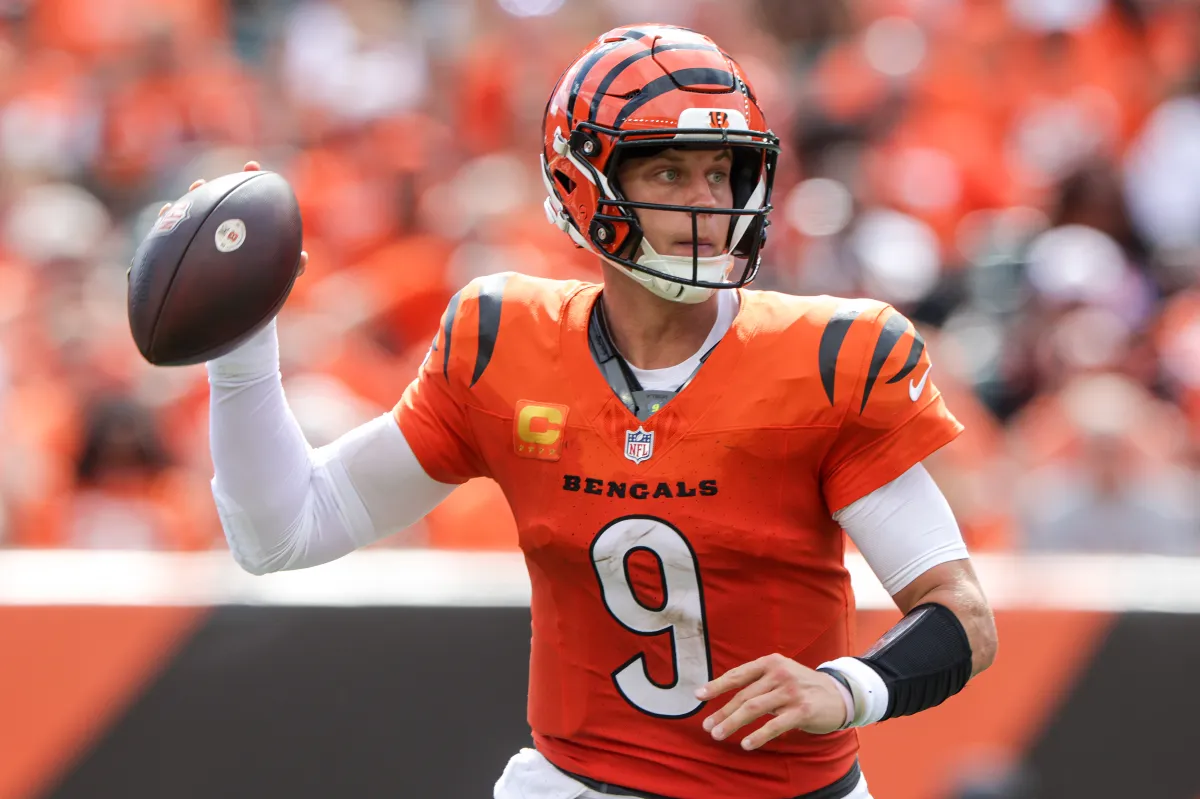
In the high-stakes theater of the National Football League, few spectacles are as nail-biting as the uncertain status of a franchise quarterback. As the Cincinnati Bengals prepared to face the Houston Texans in a critical Week 2 matchup, a quiet but unsettling tremor rippled through the team’s headquarters. The final injury report of the week carried the ominous designation: Joe Burrow was listed as questionable for the game. The culprit was recurring back tightness, a nagging reminder of the brutal physical toll that comes with leading an NFL offense. The injury had surfaced during the Bengals’ electrifying 33-27 victory over the Tampa Bay Buccaneers in Week 1, specifically when Burrow scrambled for a first down, taking a jarring hit that would eventually make itself known long after the roar of the crowd had faded. For a franchise that has hitched its wagon entirely to the arm and leadership of this generational talent, the mere suggestion of him being sidelined was enough to send shockwaves of anxiety through the fanbase, the coaching staff, and the sports world alike.
Burrow, however, was having none of the panic. When approached by reporters earlier in the week, he projected the kind of calm, dismissive confidence that has become his trademark, insisting that this discomfort was nothing more than a routine consequence of an NFL Sunday. He called it “normal game day soreness” and went so far as to label the notion of him missing the game as “ridiculous.” His words were measured, but the underlying sentiment was clear: he would be out there, no matter what. He detailed the mechanics of the injury, explaining that he didn’t specifically recall which play caused the issue, nor did he feel the tightness until the post-game adrenaline had worn off—a common phenomenon for players who push their bodies to the absolute limit under the lights. “I feel good,” Burrow insisted, according to the team’s official website. “I’ll do what it takes to be out there. If I’m not having surgery, I’ll be out there.” It was a defiant declaration, a window into the mindset of a competitor who views the field as a sanctuary, and for whom the thought of watching from the sidelines is a fate worse than physical pain. Yet, even with his bravado, the athletic training staff had to take precautions.
In the ever-changing chess match of NFL roster management, actions often speak louder than words. While Burrow downplayed his injury, the Bengals’ front office moved with deliberate caution, sending a subtle but significant signal that they were preparing for every possible scenario. On Saturday, the team announced a roster move that added an extra layer of insurance to the quarterback room. Per Adam Schefter of ESPN, the Bengals elevated veteran quarterback Josh Johnson from the practice squad to the active roster. This strategic maneuver injected a third signal-caller into the fold, a safety net in case Burrow’s back tightened up unexpectedly during warm-ups or the early stages of the game. The depth chart now featured Joe Burrow as the starter, Joe Flacco as the primary backup, and Johnson as the emergency option—a trio that provided a wealth of experience, even if it highlighted the underlying fragility of relying on one star. For Johnson, a journeyman who has bounced around the league for over a decade, the call-up is a testament to his professionalism and readiness. For the Bengals, it was a calculated measure to ensure that if the worst happened, the offense wouldn’t be left entirely rudderless against a hungry Texans defense.
Beyond the transactional logistics of practice squad elevations, there is a deeper, more human story unfolding here. Burrow’s Week 1 performance, while statistically solid—completing 25 of 35 passes for 254 yards, a touchdown, and an interception, alongside 20 rushing yards—took a backseat to the lingering concern over his physical well-being. The Texans, stung by a 36-point defensive collapse against the Buffalo Bills in their own season opener, are a wounded animal looking to reassert their dominance. They represent a motivated and aggressive opponent, one that will undoubtedly test Burrow’s mobility. Should his back limit his ability to evade pressure or escape the pocket, the Bengals’ offensive game plan will have to adapt drastically, relying more on quick releases and the arm talent of their star rather than his improvisational legs. This creates an interesting psychological dynamic: a quarterback who refuses to acknowledge his limitations, facing a defense desperate to exploit them. Every throw, every subtle movement in the pocket, will be magnified, turning a regular-season game into a test of endurance and willpower, where the line between courage and stubbornness becomes dangerously thin.
To truly humanize this situation, one must look at the history etched into Burrow’s body. This is a quarterback who has already been to the mountaintop and fallen short on the final drive of the Super Bowl, who has suffered a devastating ACL tear that threatened his early career, and more recently, dealt with a nagging wrist injury that plagued his throwing hand in 2023. Each injury takes a toll not just physically, but mentally. The Bengals’ fanbase, affectionately known as the “Who Dey” nation, suffers from a collective case of PTSD every time their golden boy hits the turf; they remember the hits, the grimaces, the fear that lingers in the air during a sack. Burrow’s insistence on playing is a reflection of the warrior ethos that defines elite athletes, but it also embodies the heavy burden of leadership. He knows the ripple effect his absence would have on the locker room chemistry and the morale of the entire city. By downplaying the injury, he is actively trying to steady the ship, to project the unwavering confidence that his teammates look to emulate. He is not just managing his own pain; he is managing the anxieties of an entire organization, absorbing the external noise so the offensive line and receivers can focus on their assignments without the distraction of whether their quarterback will be back for the next snap.
As the Sunday sun prepares to rise over Houston, the immediate forecast suggests Burrow will take the field, barring a last-minute setback. The elevation of Josh Johnson serves as a poignant reminder, however, of how fleeting an NFL career can be and how the entire landscape of a season can change in the blink of an eye. Johnson, the ultimate professional, will dress out and adhere to his role, ready to step in at a moment’s notice—a quiet testament to the unsung heroes of the sport. Flacco, a Super Bowl champion himself, will offer a steadying voice from the sideline. Yet, the spotlight remains firmly on Burrow, who will attempt to play through the stiffness and discomfort, relying on the taping, the heat pads, and a trainer’s stern words during the commercial breaks. The game against the Texans is more than just a Week 2 matchup; it is a barometer of Burrow’s resilience. It is a story of a man fighting against his own biology to fulfill his obligation to his team, a narrative that transcends X’s and O’s. Ultimately, the decision to play is a gamble—a bet that his competitive fire can overcome the biological limitations of a tight back, and that he can walk off the field on Sunday night having silenced the doubters once again. Whether he throws for 300 yards or is forced to exit early, his presence alone offers a glimpse into the relentless, often punishing, pursuit of greatness that defines the NFL.