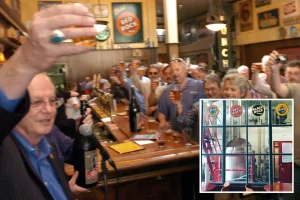



There is a particular kind of grief that settles over a city when a beloved old institution announces its end. It feels less like a business closing and more like a chapter of the collective memory being gently closed. That is the mood in Berkeley this week, as news spreads that Triple Rock Brewery—the city’s legendary brewpub, a home away from home for generations of students, locals, and beer lovers—will close its doors by the end of 2026. After a remarkable four-decade run, the brothers who founded it, John and Reid Martin, have decided it is time to retire. The decision did not come easily, but it came with a clear-eyed recognition that the world has changed. Triple Rock opened in 1986, a time when the idea of a brewpub was still novel, and it has survived trends, recessions, and an entire revolution in American beer. It is recognized as the oldest continuously operating brewpub in the United States, according to the San Francisco Chronicle, and it has been a fixture on Shattuck Avenue ever since it first began pouring. To walk into Triple Rock has always been to step into a particular kind of warmth—the glow of wooden booths, the murmur of conversation, the comfortable chaos of a room full of people who came for the beer and stayed for the community.
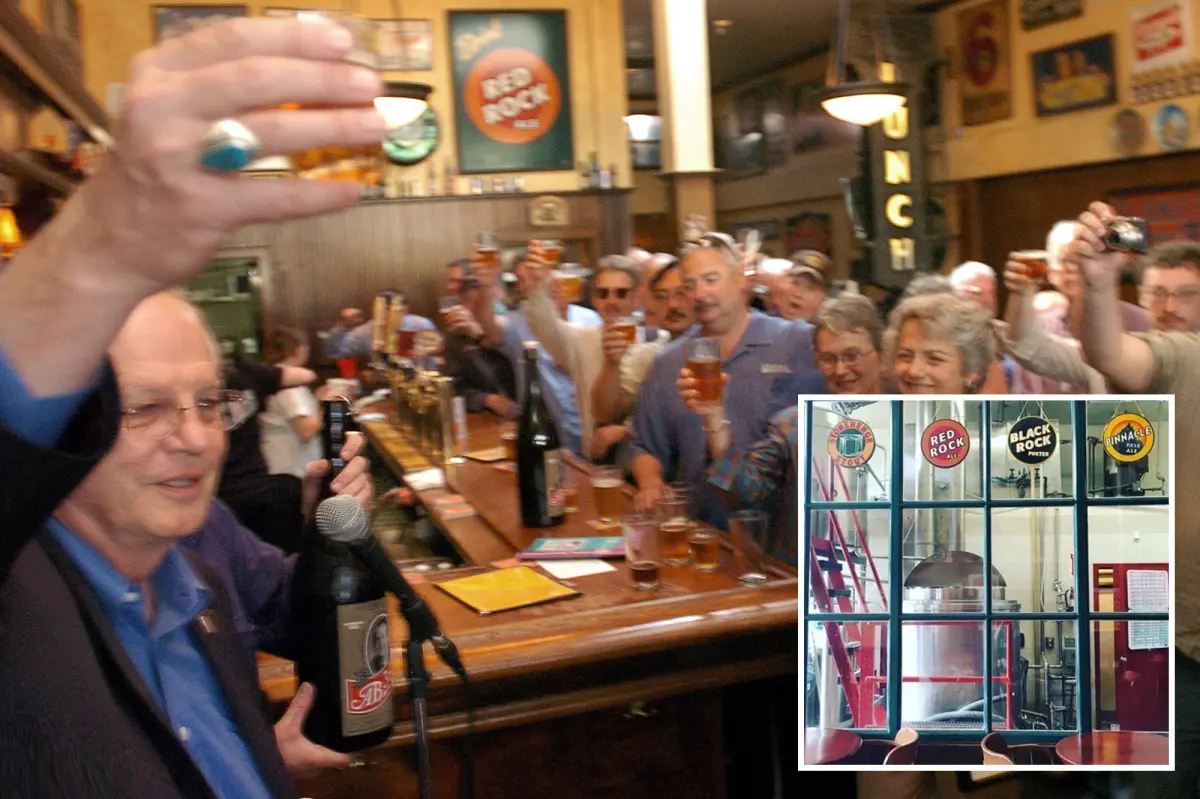
The story of Triple Rock begins, as many good stories do, with a simple observation. In the mid-1980s, John and Reid Martin looked at Berkeley, a city bursting with creativity and ideas, and concluded that it could use more beer—and more importantly, more places to drink it together. That modest thought grew into something far larger than a business. It became an anchor. The brothers opened their brewpub at a time when craft beer was still finding its footing in America. They were pioneers, though they probably would have been too humble to say so. Triple Rock was only the fifth brewpub to open in the country, and today it is the oldest still operated by its original founders. That distinction is not just a historical footnote; it is a testament to consistency, heart, and the simple power of doing something well for a very long time. Over the years, the brewery has poured more than ten million pints. Ten million glasses of beer, each one carrying a story—a first date, a late-night study session, a celebration after graduation, a quiet afternoon with an old friend. The brewpub also became a launchpad for a generation of brewers who went on to shape the craft-beer world in cities far beyond Berkeley. They learned their craft in the basement under Shattuck Avenue, inspired by the Martins’ commitment to quality and their belief that beer should be something people gather around, not just consume.
The Martins’ decision to close is rooted in a reality that has become increasingly familiar across the alcohol industry. The brothers are getting older, and there is no family successor eager to take the reins. For a family business, that is a particularly bittersweet moment—the knowledge that the work of two lifetimes will not be passed down to the next generation. At the same time, the broader industry has been struggling. Alcohol sales have suffered a major downturn in recent years, as younger consumers drink less, changing habits, and a crowded marketplace make it harder for even the most beloved establishments to thrive. The pandemic only accelerated these shifts, but the trends were already underway. In many ways, it is a miracle that Triple Rock lasted this long, carried by the loyalty of its regulars and the dedication of its staff. But time catches up with everyone, and the Martins have decided to step away gracefully rather than watch the place fade. The family owns the building, which is a small consolation in a difficult moment. After the closure, they plan to lease or sell the property, leaving the physical space to begin a new chapter under new hands. It is impossible to imagine any replacement quite like Triple Rock, but the building itself will remain a landmark, even if its walls will no longer echo with the sound of glasses clinking.
For forty years, Triple Rock has been more than a brewery—it has been a ritual. Generations of UC Berkeley students have found their way to its tables, drawn by the promise of good beer and the comfort of familiar surroundings. Alumni return on visits to their old campus and inevitably find themselves back in the same seats, order the same beers, and remember the people they used to share them with. Locals have made it a neighborhood living room, a place where birthdays are marked, job offers are toasted, and heartbreaks are soothed. The brewery’s own website calls it Berkeley’s “OG Taphouse,” and the nickname fits. There is an unpretentious authenticity to Triple Rock that cannot be manufactured. It never tried to be trendy, and that is precisely why it never went out of style. The famous Monkey Head beer, with its playful name and unmistakable presence, has become a Thursday tradition for countless devotees. Every week, they show up to pay their respects to a pint that has remained wonderfully unchanged, even as the world around it transformed. These rituals are the small threads that hold a community together, and the thought of them unraveling is what makes this closure feel so personal. The brewery plans to continue normal operations through December, with special events planned to celebrate those four decades—classic beer releases, retro-themed nights, and the kind of gatherings that will give regulars one last chance to say thank you.
There is comfort in knowing that the closing is not happening overnight. Triple Rock intends to keep serving through the final months, and the celebration of its history will be a long, warm farewell rather than an abrupt goodbye. The events will honor the past while giving the community a chance to create a few more memories. For the staff, there is also some welcome news. The Martins have said that employees are expected to be offered positions at some of the family’s other businesses, including Drake’s Brewing, Bear Republic, and the Jupiter restaurant. That gesture speaks to the kind of owners they have always been—people who see their workers as part of a larger family, not interchangeable parts. It softens the blow, at least for the people who have kept the taps flowing and the tables clean for years. But no matter how gracefully it is handled, the end of an era cannot be fully smoothed over. The last pint will eventually be poured, the lights will go out, and the building will be handed over to whatever comes next. What will remain are the memories carried by the hundreds of thousands of people who walked through the doors. They will remember the smell of malt and hops, the sound of laughter, the clatter of glasses, and the feeling of being somewhere familiar and safe in a city that never stops evolving.
Triple Rock’s closing is not an isolated loss. The Berkeley beer scene has already taken a major hit this year. In May, Trumer Brewery’s Berkeley taproom closed after Firestone Walker acquired the company’s U.S. operations and moved brewing to Paso Robles. Two beloved beer institutions, gone in the span of less than a year. It is a sobering reminder that even the most successful industries are subject to shifts in taste, ownership, and time. Yet there is also something hopeful in the story of Triple Rock. It was never just a place to drink; it was a place to belong. The Martins came to Berkeley with a simple idea and built something that outlasted trends, outlasted competitors, and outlasted even the expectations of its founders. They poured ten million pints, but more than that, they poured themselves into a community. As the doors prepare to close, the legacy will not disappear. It will live on in the brewers who learned from the Martins, in the friendships that formed at the bar, and in the memories of every person who ever raised a glass at Triple Rock. The brewery may be retiring, but the story of what it meant—to Berkeley, to craft beer, and to the people who found a home there—will be told for a long time to come.