

The Aftermath of a Verdict: A Community Divided
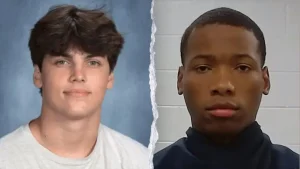
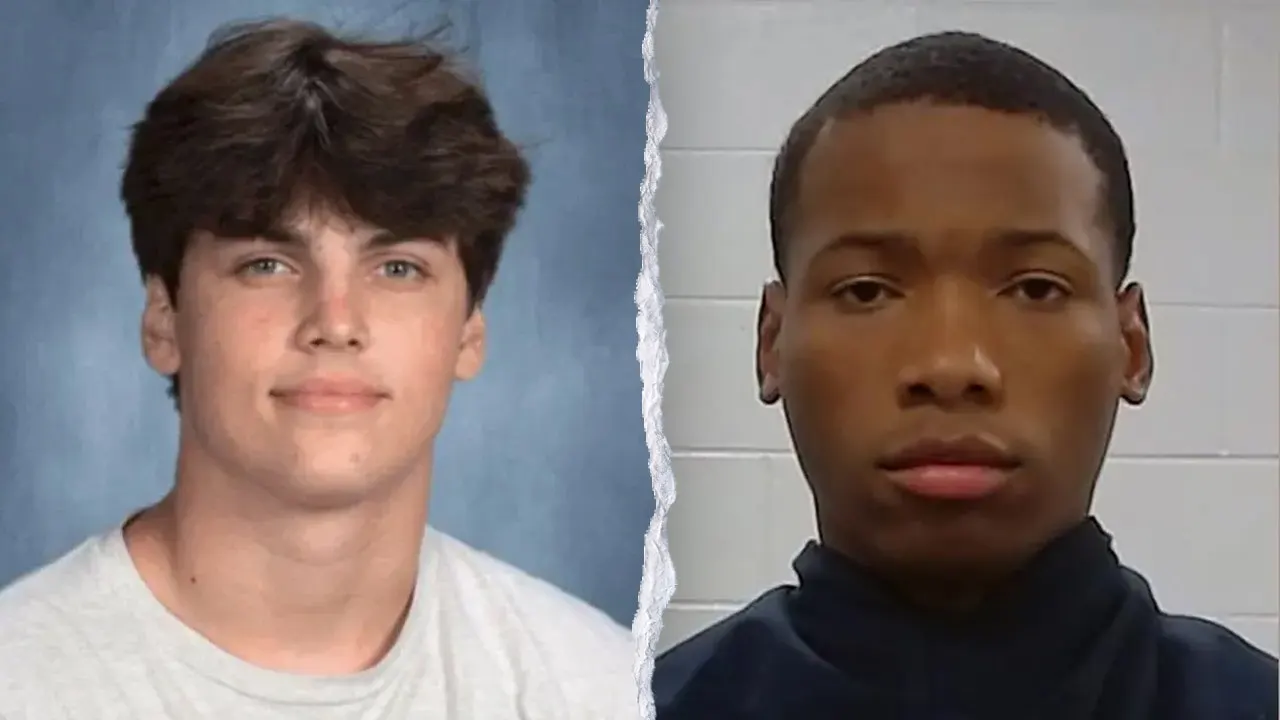
In the quiet, sun-drenched corridors of a McKinney, Texas courthouse, a decision was reached that sent ripples of both relief and anguish through a community still grappling with a tragic loss. On a sweltering Saturday, retired District Judge Michael Chitty delivered a decisive, albeit modest, ruling. He denied Karmelo Anthony a new trial, leaving intact the young man’s murder conviction and his subsequent 35-year prison sentence for the stabbing death of 17-year-old Austin Metcalf. The judge’s order was a model of judicial brevity, offering no elaborate reasoning but stating that he had thoroughly reviewed the motion, the extensive court record, the evidence presented, and the relevant case law, and found no grounds to overturn the jury’s decision. For the Metcalf family, still raw from their incalculable loss, it was a moment of validated hope; for Anthony, a legal setback that pushes his fight into the next arena: a direct appeal.
The atmosphere around this latest chapter was heavy with the weight of a case that has polarized and saddened the local community. District Attorney Greg Willis, speaking on behalf of the state, projected a calm assurance. He had expected this outcome, he said, expressing confidence in the original verdict and the legal proceedings. His words, carefully chosen, extended empathy toward the Metcalf family, acknowledging the “painful wake of last week’s hearing,” where two days of testimony sought to dismantle the trial that convicted Anthony. It was a statement of victory, but a somber one, laced with the grim reality that a family’s wound remains open. The defense’s path now shifts to a higher court, where they will aim to argue that the process itself was fundamentally flawed, that their client was denied the fair and full public trial every American is promised. The gears of the legal system, which often grind slowly, continued their methodical turn, each move met with deep emotional resonance on both sides.
For the defense, their arguments were not new rumors, but a catalog of systemic and procedural grievances. Their motion for a new trial was built on a foundation of claims that Anthony’s rights were trampled in the courtroom’s very details. They pointed to restrictions on who could enter the courtroom, arguing it amounted to an unconstitutional violation of his Sixth Amendment right to a public trial. They argued that crucial hearings were held with Anthony absent, meaning he wasn’t able to assist in his own defense, and that the handling of a key, unwritten agreement between his own lawyers and the prosecutors—an agreement meant to keep out potentially damaging evidence—was so improperly navigated that it effectively silenced him, preventing him from telling his side of the story. The center of this particular storm was a fragile, unspoken pact made between the original defense team and the prosecution. The defense believed this pact would allow Anthony to take the witness stand, testifying about the fateful confrontation beneath the tent at the Frisco track meet, without exposing the jury to character evidence that could taint their judgment.
In courtroom testimony, the human trail of this legal conflict was laid bare. Mike Howard, the former lead defense attorney, took the stand, his testimony painting a picture of a deal that was understood differently by each side. He testified that he believed the agreement was clear: Anthony could testify, provided he stuck to the violent details of the altercation itself. He was the witness, the man who would speak to who initiated the conflict, to his client’s fear, to his own perceived self-defense. On the final day of trial, that understanding shattered. Prosecutors informed him that if Anthony took the stand, the agreement was moot—they would be free to introduce the harrowing backstory, the evidence of Anthony’s obsession with his ex-girlfriend, his knives, which painted a far more menacing portrait. The courtroom was filled with that tension, and in a heated break, Anthony’s decision was made: he would not testify. He would bear the weight of the state’s narrative without the crucial voice that his defense believed was his strongest witness.
The prosecution’s lead, Bill Wirske, countered, telling a different story that day. He agreed that the talks had occurred but insisted they were never formalized enough to cover a testifying defendant. He believed, with a certain professional rationality, that both sides had a mutual understanding that the agreement was meant to protect them from character evidence regarding Anthony or his mother, and that the real concern was whether Anthony’s testifying would inadvertently open the floodgates for that very evidence. He defended the prosecution’s position, more on a wish to prevent an unintentional breach, not a strategic betrayal to trick the defense. This he-said-she-said became the core of a judicial inquiry. Even the judge who had presided over the original trial, John Roach, was removed from post-trial proceedings after he made public comments, which included a that the jury “got it right” and defended his own rulings. The higher court judged that this public show of partiality cast a shadow over the trial’s fairness, creating a new layer of intrigue in the case.
The heart of the matter was that the entire trial had been a psychological, legal chess match. The judge, Roach, had earlier defended his decision to bar cameras from the courtroom, calling it an “easy decision” in his attempts to maintain order and decorum in such a high-profile case. Yet, the judge’s own public comments, after the dust had settled, were what undid his role in the process. The defense, presenting a training presentation that Wyatt Wirske had used in legal education seminars, argued that the one judge himself acknowledged the importance of a defendant that testifying in a self-defense case. The text advised that a client “(probably) needs to testify,” which became an argument that keeping Anthony off the stand after the agreement became so murky was a dereliction of justice. It was a poignant irony: the legal professionals knew Anthony had to speak, yet a simple undisclosed agreement had effectively silenced him. This conflict, this twist of fate, was the centerpiece of the new-trial hearing.
Scholarly, the judge’s denial of the new-trial motion and the steps forward are a matter of legal record. The decision leaves Anthony’s conviction and sentence, but the battle is far from over. The motion for a new trial was denied, but the challenge has taken a new form: a direct appeal, a challenge to the trial’s fairness, which will go forward. Anthony, who was just 19 years old when he was convicted, sits in prison, a case that has become a symbol for the nation. The convergence of a bloody attack, a controversial self-defense claim, courtroom theater, and a family’s unrelenting grief has gripped the public’s attention. It’s a case that explores the core questions about the right to tell one’s story, the power of evidence, and the balancing act of a judge’s public persona with a courtroom’s integrity. And as the appeals court takes its look, the pain, the dueling memories, and the quest for a just outcome will continue to be a rallying cry for all sides. There is no true closure, only a transition to the next act of a long-drawn legal drama that continues to shape the lives of everyone it touched.