

The vibrant hum of a new school year was just beginning in Grand Junction, Colorado, a time typically filled with the nervous excitement of new classes, reunions with friends, and the promise of autumn. But the atmosphere was shattered in an instant, replaced by a suffocating blanket of grief and disbelief. The community was plunged into mourning after a single, catastrophic event claimed the lives of five 17-year-old boys, all friends, all on the cusp of adulthood. Their vehicle had veered off a scenic cliffside road and tumbled down a steep, unforgiving hillside, leaving behind a wake of shattered families and a town struggling to comprehend the profound loss. The silence that followed the crash was heavier than any beginning-of-term chatter, a stark reminder of how fragile life is and how quickly the future can be stolen away.
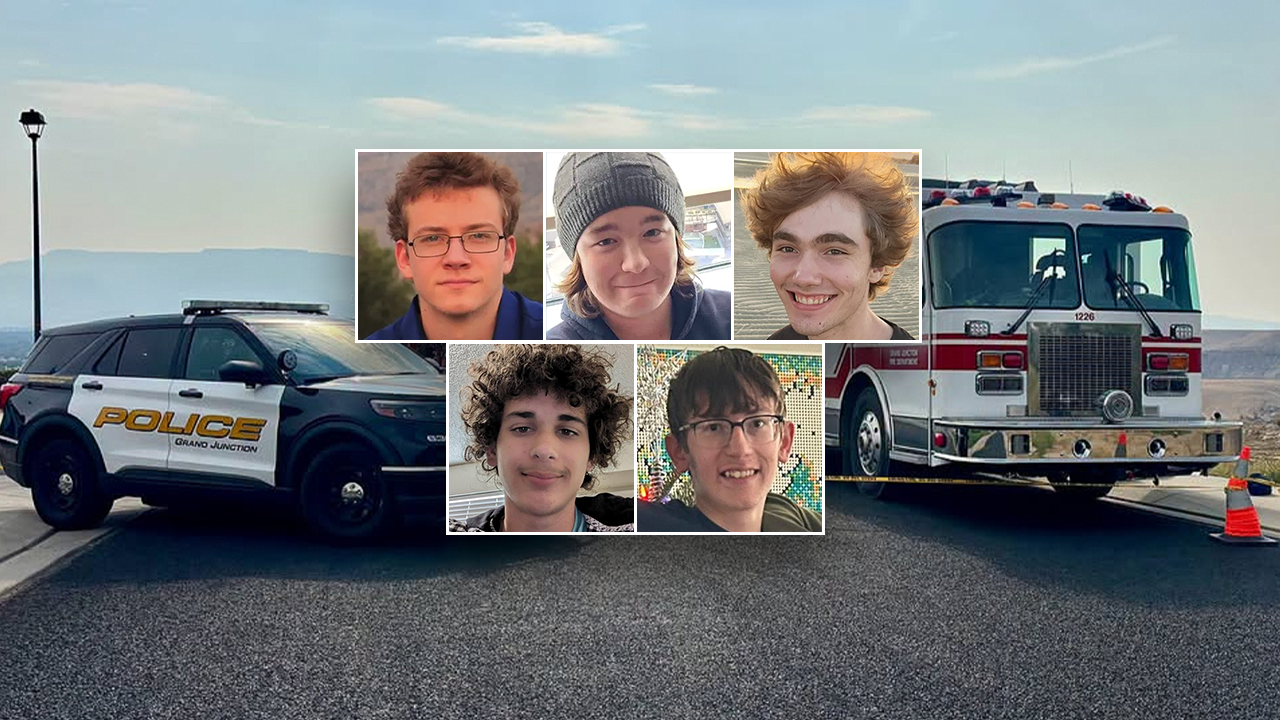
The tragic details of the accident emerged slowly, piecing together the final moments of that Saturday night. The five teenagers were traveling together along Lookout Lane, a roadway that offers dramatic views but also borders a precipitous drop. For reasons still under investigation, their vehicle left the asphalt and careened over the edge, plunging down the rugged terrain. The Mesa County Coroner’s Office later confirmed that three of the boys, including the driver and front-seat passenger, were wearing seatbelts, while two others in the back were not and were tragically ejected from the vehicle. All five succumbed to the injuries they sustained in the violent crash. The wreckage went undiscovered for hours, with authorities only alerted to the possibility of a vehicle over the cliff at approximately 7:45 a.m. on Sunday morning. Police and firefighters who responded to the scene found the wrecked vehicle lying on the hillside below, a silent testament to the tragedy. While speed was initially being investigated as a potential factor, the full cause of the accident remains a part of the ongoing inquiry. The coroner’s office has chosen to withhold the names of the deceased due to its policy regarding minors, but the families and friends of the boys have stepped forward, ensuring their memories are not lost in anonymity.
In the wake of the official silence, the identities and stories of the five boys began to emerge, painting a portrait of youth and promise now tragically cut short. They were not just statistics; they were sons, grandsons, brothers, and teammates, each with a unique light that had been extinguished. Braden Taylor, one of the victims, was mourned by his grandfather, Calvin Wilken, who took to social media to express the family’s “very sad news” and describe the accident’s location just blocks from their former home. A fundraiser set up for Braden’s parents, Wade and Michelle, described him as their youngest son and spoke of the “unimaginable pain” of their loss, compounded by the sudden burden of funeral expenses. The other four boys were identified by loved ones as Tristan Tucker, Titus Gould, William Simms, and Tyler Martinez. Tristan Tucker was on the verge of his senior year, eagerly anticipating getting his driver’s license and all the milestones that come with being a 17-year-old. He was remembered as being “full of life, potential, and a free spirit.” Titus Gould’s family received support through a meal train, and Tyler Martinez’s grandmother, Debbie Gallegos Martinez, publicly shared her heartbreak, her words a raw expression of a grandmother’s grief. Each name now carried with it a story of a life full of potential, now forever frozen in time.
The ripple effect of the loss spread far beyond the immediate families, enveloping the entire Grand Junction community in a shared sense of sorrow. Local businesses, schools, and neighbors all rallied together to offer support and to grieve collectively, their solidarity a testament to the tight-knit fabric of the town. Modern Classic Motors, a local business, shared verified donation links for all five families, acknowledging the “unimaginable loss” that weighed heavily on the community. They poignantly noted that the tragedy was felt even more acutely as students returned to school, imagining “the heaviness and sadness that is being felt throughout our schools today.” The halls that should have been filled with laughter and the chatter of friends were instead filled with a palpable emptiness and tears for the empty desks and locker spaces. The school year, which should have been a time of growth and new experiences, had become a period of collective mourning, with students and faculty alike trying to navigate their grief while honoring the memories of their fallen classmates.
As the community began the slow, painful process of healing, personal remembrances poured in, each painting a more complete picture of the boys who were lost. Fundraisers were established not just for funeral expenses but to support the families as they navigated this new reality. These online pages became virtual memorials, where friends shared stories, photos, and memories, celebrating the lives that were lived. Tristan Tucker was remembered for his “free spirit” and his eagerness for the future, his story a poignant reminder of the curtailed dreams of all five boys. The touching tributes to Titus Gould and the raw, public grief of Tyler Martinez’s grandmother brought a human face to the tragedy, turning the news reports into a deeply personal story of loss. The community was not just donating money; they were sharing in the profound sorrow, wrapping the bereaved families in a cocoon of support. The Grand Junction Police Department, who were among the first to witness the heartbreaking scene, also issued an emotional message, stating, “Our hearts are heavy following the tragic losses this weekend. You’re our neighbors, our friends, and our family. We grieve alongside our community and stand together to support one another.”
This devastating event serves as a heart-wrenching reminder of the fragility of life and the ripple effect of a single moment in time. The grief that now shadows Grand Junction is not a passing storm but a permanent fixture, a reminder of the five young lives whose stories ended abruptly on the hillside below Lookout Lane. The boys’ futures—the proms, the graduations, the careers, the families they might have created—have been replaced by memorials and memories. While the investigation into the crash continues, the more pressing task for the community is the long, arduous journey of healing. The fundraisers, the meal trains, and the shared condolences are the first steps, but the void left by Braden, Tristan, Titus, William, and Tyler will never truly be filled. The start of the school year will now forever be associated with this tragedy, yet in their shared mourning, the community is finding strength. By sharing their stories and holding onto their memories, they ensure that the five boys are not just victims of a crash, but remembered as the vibrant, beloved members of a community forever changed by their loss.