



St. Pete Beach, Florida, is world-renowned for its breathtaking shoreline, where sugary, powder-white sands meet the warm, turquoise waters of the Gulf of Mexico. For decades, this idyllic paradise has served as a sanctuary not only for sun-seeking tourists but also for delicate coastal ecosystems that rely on these pristine shores to survive. However, in late April, this serene landscape became the stage for a bizarre and deeply troubling environmental crime that shocked local residents and sparked widespread outrage. Beachgoers stroll along the shoreline expecting to find seashells and smooth pebbles, but instead, they were greeted by the pungent, chemical stench of thousands of small, white mothballs scattered across the sand. The initial discovery of approximately 1,000 of these pesticide-laden spheres directly behind the Plaza Beach Hotel prompted an immediate, frantic response from concerned citizens and local environmentalists. The situation took a darker turn the very next morning when an additional 500 mothballs appeared overnight, transforming what might have been viewed as an isolated littering incident into a deliberate, targeted campaign of environmental sabotage. The community quickly realized that someone was actively trying to poison or deter the wildlife that calls this fragile ecosystem home.
The targets of this clandestine chemical assault were black skimmers, a state-listed imperiled species of shorebird known for their striking black-and-white plumage, bright orange-and-black bills, and remarkably unique feeding habits. Unlike many other avian species that nest safely in the high branches of trees, black skimmers are entirely dependent on the open beach, where they scrape out shallow depressions in the sand to lay their eggs and raise their highly vulnerable chicks. This ground-nesting behavior makes them exceptionally fragile, as their nesting territories frequently overlap with highly trafficked human recreation zones. Recognizing the immediate threat to the birds, dedicated volunteers from the Audubon Society and law enforcement officers from the Florida Fish and Wildlife Conservation Commission (FWC) immediately mobilized, spending hours on their hands and knees painstakingly plucking the toxic orbs from the sand. The danger extended far beyond the avian population; mothballs contain highly concentrated, regulated pesticides like naphthalene or paradichlorobenzene, which emit noxious vapors that are deeply harmful to humans, domestic pets, and marine organisms. As experts from the University of Florida’s Institute of Food and Agricultural Sciences have repeatedly warned, using mothballs outdoors is not only an ecological hazard but also a direct violation of federal pesticide law, which strictly dictates that the product label is legally binding.
The audacity of the crime prompted FWC investigators to launch a comprehensive, high-tech investigation that treated the beach poisoning with the same gravity as a major criminal conspiracy. Detectives did not merely look for physical clues on the beach; they dived deep into the digital world, securing search warrants to analyze terabytes of data, comb through local retail records, and seize personal mobile devices. The breakthrough in the case came when investigators traced a transaction at a nearby Walmart, where video surveillance and digital receipts revealed that a local business owner had purchased a massive quantity of mothballs for approximately $60 just one day before the toxic spheres first littered St. Pete Beach. Armed with this evidence, authorities extracted incriminating text messages from seized cellphones, mapping out a coordinated effort between two prominent local business partners. Furthermore, investigators analyzed cell tower data, which placed both suspects’ mobile devices at the exact beach coordinates during the dark, early morning hours when the mothballs were distributed, leaving an undeniable, high-tech digital footprint that completely dismantled any claims of ignorance or coincidence.
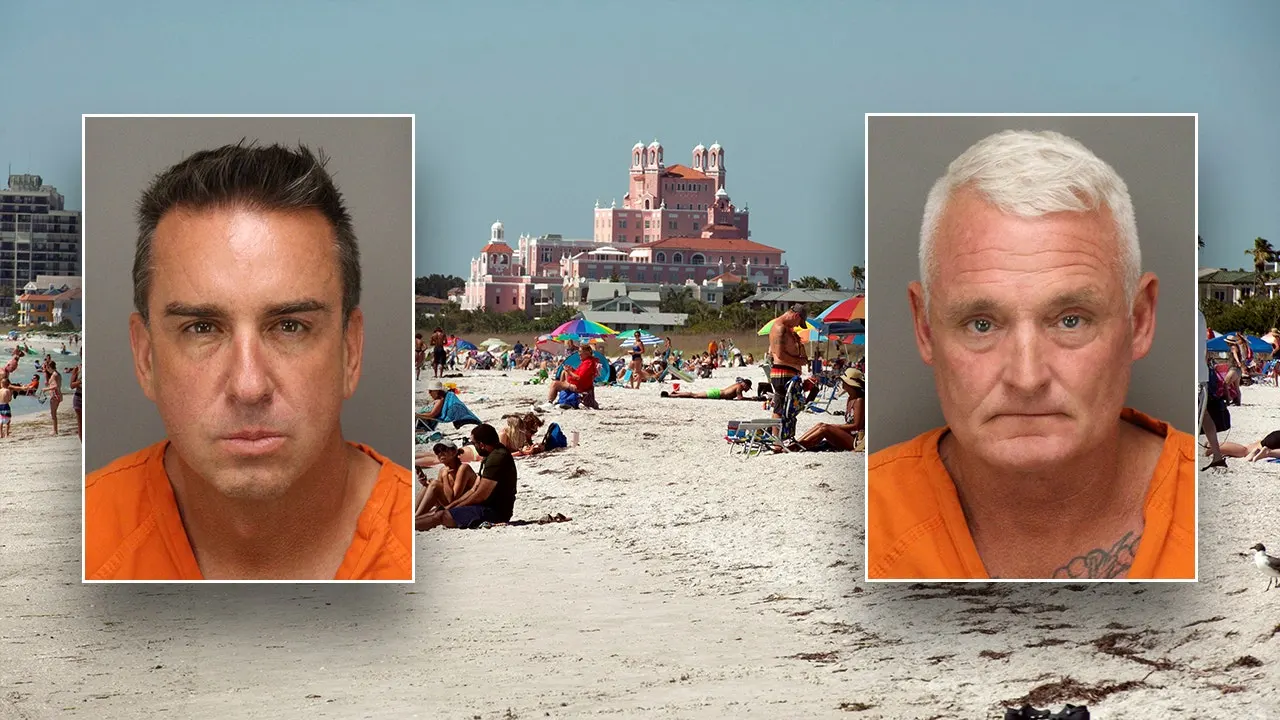
The investigation ultimately identified the culprits as Christopher Monroe, the owner and manager of Chris’s Beachside Bar, and Robert Czyszczon, the owner of the Plaza Beach Hotel. While their actions drew heavy public condemnation, their underlying motivations highlighted a classic, systemic conflict between coastal business owners and wildlife conservation efforts. Running beachside hospitality venues is an incredibly competitive and financially stressful endeavor, and both men feared that the establishment of a protected bird-nesting colony right behind their properties would lead to catastrophic financial losses. When conservation groups rope off large sections of the beach to protect nesting birds, it severely limits space for beach chairs, umbrellas, and guest recreation, which the men believed would directly turn tourists away. In recovered text messages, the business owners lamented the potential loss of $25,000 to $50,000 in seasonal revenue, expressing intense frustration and labeling the protected black skimmers as “the worst birds.” Desperate to protect their bottom lines, they chose to bypass legal channels and resort to chemical warfare, foolishly believing that a barrage of foul-smelling mothballs would discourage the birds from settling near their properties.
The legal fallout for Monroe and Czyszczon has been swift and severe, serving as a stark reminder that Florida courts take the protection of its natural resources incredibly seriously. Both business owners have been formally charged in Pinellas County with illegal dumping, which is classified as a third-degree felony, alongside a misdemeanor charge of attempted take of an imperiled species by harassment. If they are convicted of these charges, they face a grim future that includes up to five years in state prison, hefty fines reaching up to $5,000 each, and up to five years of supervised probation. Currently out of jail on bond, the men face not only the ruin of their personal reputations but also the potential collapse of the very businesses they tried to protect through illicit means. The defense has remained largely silent, with Czyszczon’s attorney failing to respond to media inquiries and court records indicating that Monroe has yet to secure legal representation, leaving the community to watch and wait as the wheels of justice begin to turn.
While the black skimmers did not suffer direct, mass poisoning from the incident, the ecological damage of the mothball deployment remains a serious concern for wildlife biologists. The disruption and harassment successfully delayed the birds’ nesting timeline, forcing them to wait much longer to establish their colony and lay their eggs. This delay might seem minor to the untrained eye, but in the volatile climate of coastal Florida, timing is a matter of life and death. A pushed-back nesting schedule means that the young chicks will hatch much later in the year, leaving them unable to fly or survive on their own when the peak of the Atlantic hurricane season arrives. A single severe tropical storm late in the autumn can easily inundate the low-lying beaches and completely wipe out an entire generation of flightless chicks, potentially devastating the local population of only a few hundred skimmers in Pinellas County. Ultimately, this incident serves as a sobering reminder of the delicate, often precarious relationship between human commerce and environmental preservation, demonstrating that true coastal prosperity cannot be achieved by waging war against the native creatures that make the coastline so uniquely beautiful.