


The sanctuary of sleep is one of the few places where humanity feels entirely safe, a defenseless state where we surrender our vigilance to the comfort of our homes and the warmth of our beds. In the quiet city of Margate, Florida, located just forty miles north of the bustling streets of Miami, this sacred peace was shattered in the most unimaginable way for a young mother. On what should have been a peaceful Monday night, she lay asleep beside her precious one-year-old daughter, wrapped in the quiet comfort of her bedroom, completely unaware of the monstrous betrayal lurking just outside her door. The darkness of the night was suddenly pierced not by a stranger breaking in, but by her own thirty-six-year-old brother, Ruben Altidore, who entered the room armed with a deadly machete. In a sudden, frenzied outburst of violence, Altidore began hacking at his sister in her bed, turning their family home into a horrific crime scene. This was not just a physical assault; it was a devastating violation of familial trust, a sudden and brutal storm of violence unleashed upon a sleeping mother and her innocent baby. The sheer terror of waking up to the sharp, cold steel of a blade swung by a sibling is a nightmare that defies comprehension, stripping away the victim’s sense of safety in a matter of seconds. As the attack unfolded, Altidore reportedly shouted a chilling, heartless question that laid bare his deadly intent: “Oh my God, why aren’t you dead yet?” This horrific exclamation, captured in the subsequent police arrest report, revealed a dark and relentless determination to end his sister’s life, transforming a quiet suburban home into a chamber of absolute terror.
The physical toll of this savage attack is difficult to comprehend, illustrating a level of violence that leaves both deep physical and psychological scars. Despite the relentless onslaught, the victim miraculously survived, fighting through excruciating pain and devastating trauma with an extraordinary will to live. The sheer scale of her injuries paints a grim picture of the violence she endured as she instinctively put up her hands to defend her life and her child. Investigators later documented the catastrophic damage: a massive ten-inch wound on the back of her right thigh that cut so deeply it exposed the bone, a four-inch laceration on the back of her right hand that threatened the amputation of at least four of her fingers, and severe mutilation to her left hand, resulting in the near-amputations of her left index finger, her palm, and both of her thumbs. These were not merely clinical statistics on a police report; they represented the physical devastation of a woman fighting desperately for her survival, using her bare hands to shield herself from a heavy, razor-sharp blade. Every strike of the machete was an attempt to silence her, yet her spirit remained unbroken as she endured the agonizing pain, driven by a primal maternal instinct to stay alive. The psychological weight of such injuries is monumental, as she must now face a long, painful road to physical rehabilitation while processing the terrifying reality that her own brother tried to dismember and murder her in her sleep.
Perhaps the most heartbreaking and haunting element of this tragedy is the innocent witness who was caught in the crossfire of this domestic nightmare. Lying in the very same bed where the brutal attack took place was the victim’s one-year-old daughter, a tiny life untouched by the blade but deeply affected by the violence that unfolded around her. When emergency responders and investigators finally arrived at the scene, they discovered the infant lying in the bed, physically unharmed but completely covered in her mother’s blood. It is an image that deeply shook the seasoned law enforcement officers who walked into the bedroom—a visual testament to the sheer chaos and brutality of the assault. Though the child did not suffer any physical cuts, the psychological shadow of that night will undoubtedly linger, a silent trauma imprinted on her early childhood. The miracle of her physical survival is juxtaposed against the horrific reality of her surroundings, a tiny infant drenched in the lifeblood of the mother who had fought so hard to protect her. The maternal instinct is a powerful force, and it is highly likely that the mother’s desperate defensive maneuvers were fueled by an urgent, overwhelming need to keep the attacker’s blade away from her baby girl, absorbing the brutal blows to her own body to ensure her child would live to see another day.
The raw human instinct for survival eventually gave the heavily injured mother the strength to escape her tormentor and seek help from the outside world. Bleeding profusely and fighting through unimaginable pain, she managed to slip away from her brother, fleeing the house into the dark, quiet neighborhood streets. Her piercing, terror-filled screams echoed through the night, captured vividly on a neighbor’s home surveillance video, a chilling auditory record of a human being in the depths of absolute despair. She ran into the middle of the street, her cries for help cutting through the silence of the night, before collapsing at the doorstep of a neighbor, Luis Pereria. Pereria, who was awakened by the commotion and left utterly baffled by the tragedy unfolding on his porch, recalled how she desperately begged for help, her clothes and body soaked in blood. When the police finally arrived, the victim’s first words to them were a desperate, breathless plea of survival: “My brother is trying to kill me.” The immediate response of the neighborhood, from the cousin who confirmed the attacker’s identity to the neighbors who opened their doors to a bleeding woman, highlights the sudden and shocking way domestic violence can spill over into a peaceful community. It shattered the illusion of suburban safety, leaving neighbors to grapple with the disturbing question of how such monstrous violence could occur between siblings just a few feet away from their own homes.
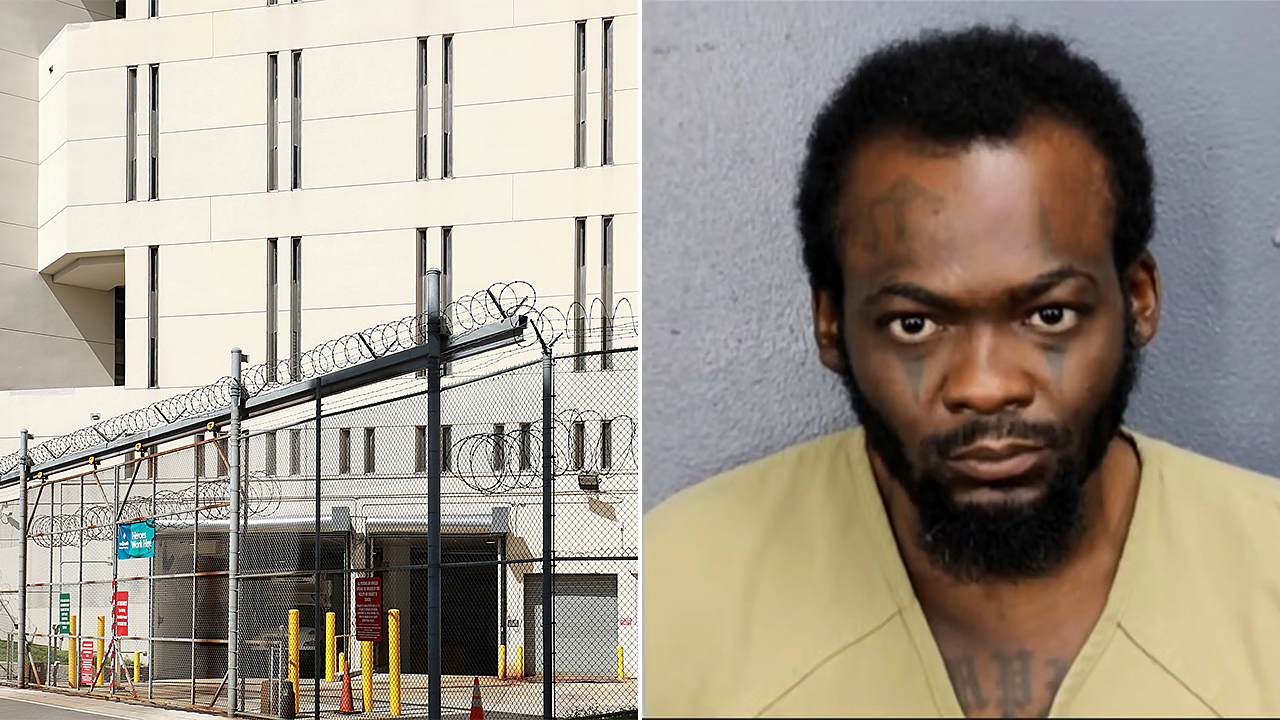
When forensic investigators stepped inside the home, they were confronted with a gruesome trail of evidence that mapped out the terrifying progression of the attack. A substantial amount of blood stained the victim’s bedroom, painting a vivid picture of the initial struggle, before tracking out into the hallway, smeared against a bathroom door, and trailing all the way outside to the front porch where she had fled. In the kitchen, police discovered the empty sheath of the machete, suggesting a premeditated action where the weapon was unsheathed before the attack began. Underneath a bed, investigators recovered the weapon itself—a heavy machete stained with what appeared to be red smudges of blood, the very instrument used to inflict such catastrophic injuries on the defenseless mother. Ruben Altidore was swiftly apprehended by authorities on Monday and transported to the Broward County Main Jail, where he is currently being held without bond. The legal system has responded with the gravity that this horrific crime demands, charging Altidore with attempted felony murder, aggravated child abuse, and violation of probation. These charges reflect the multifaceted horror of his actions—not only the attempted slaughter of his own sister but also the profound endangerment of an infant child who was left covered in blood, and the blatant violation of his legal probation.
As the legal proceedings begin to unfold, the small community of Margate and the victim’s family are left searching for answers to a question that may never be fully resolved: what could drive a brother to commit such an unspeakable act of violence against his own sister? Currently, the motive for the attack remains entirely unclear, leaving a frustrating and painful void where understanding should be. The absence of an explanation only deepens the tragedy, forcing the victim and her loved ones to grapple with the senselessness of the assault. For the surviving mother, the journey ahead is monumental, requiring extensive medical interventions, surgeries to reconstruct her hands, and intensive physical therapy to regain the basic functions of her limbs. Yet, beyond the physical healing, there is a profound emotional and spiritual rebuilding that must take place. The road to recovery will be paved with the support of her community, the dedication of medical professionals, and the deep, unbreakable bond she shares with her daughter. This tragedy, while highlighting the terrifying capacity for human cruelty, also shines a light on the incredible resilience of a mother’s love, a powerful force that kept her breathing, fighting, and screaming for help until both she and her baby were finally safe in the arms of humanity.