


THE COLD PEACE: INSIDE THE DIPLOMATIC GAMBIT TO AVERT A MIDDLE EAST CONFLICT AND THE STRATEGIC SHIFT IN GLOBAL MARKETS
A Dramatic Reprieve: How Regional Powers United to Halt an American Military Strike
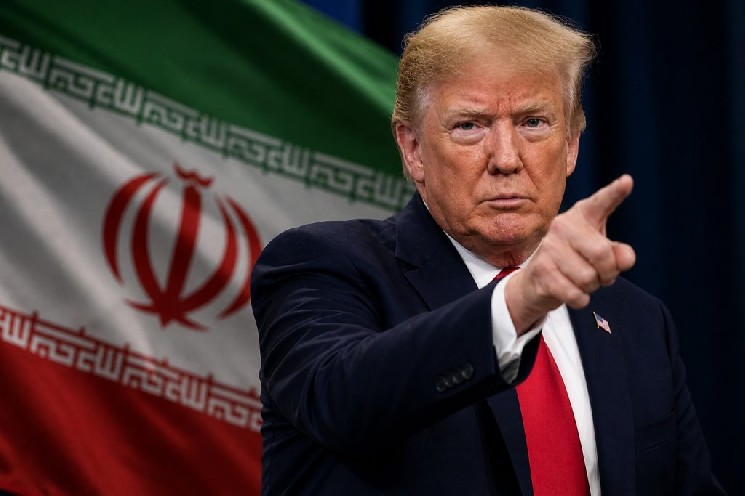
In a stunning disclosure that has sent shockwaves through international diplomatic circles, United States President Donald Trump announced a sudden, high-stakes suspension of a planned military campaign against the Islamic Republic of Iran, revealing that a rare coalition of Middle Eastern nations actively intervened to advocate for a diplomatic window. The proposed American offensive, which President Trump characterized as a “very comprehensive and powerful” operation designed to systematically dismantle key strategic assets within Iran, was reportedly on the verge of execution before a chorus of regional capitals urged Washington to stand down. In an unprecedented alignment of security interests, Saudi Arabia, the United Arab Emirates, Qatar, and even Iran itself directly petitioned the White House to halt the impending strikes, arguing that an immediate military escalation would trigger a catastrophic domino effect across the volatile region. This unexpected diplomatic mobilization highlights a profound shift in Middle Eastern geopolitics, where traditional adversaries and historic rivals have momentarily set aside deep-seated animosities to avert an all-out regional war that would inevitably devastate local economies and compromise sovereign security. By electing to heed the counsel of these regional stakeholders, the Trump administration has temporarily pivoted from its doctrine of maximum pressure and military deterrence to test the waters of multilateral diplomacy, showcasing the immense influence that regional partners can exert when unified by the shared threat of collective ruin.
The Two-Phase Roadmap: Securing the Strait of Hormuz Before Tackling the Nuclear Question
According to senior administrative officials and details shared by President Trump, the decision to suspend military action was contingent upon a highly structured, two-phase diplomatic framework proposed by regional mediators who believe a comprehensive security agreement is within reach. The first and most critical phase of these imminent negotiations focuses exclusively on the stabilization, demilitarization, and guaranteed reopening of the Strait of Hormuz, a narrow maritime passageway that has long served as a geopolitical flashpoint and a recurring site of naval skirmishes. Washington and its allies have made it clear that establishing an ironclad multilateral agreement on maritime security is a non-negotiable prerequisite; once safe passage for international commercial shipping is fully secured and verified, the diplomatic track will immediately transition to its second, more complex phase: a comprehensive renegotiation of Iran’s nuclear program. This sequencing of negotiations represents a pragmatic, highly tactical approach to diplomacy, designed to build trust through tangible maritime security guarantees before diving into the deeply entrenched, ideologically charged arguments surrounding Tehran’s uranium enrichment capabilities and long-term nuclear ambitions. By addressing the immediate physical threat to global shipping lanes first, international negotiators hope to create a stable foundation of compliance that can withstand the inevitable friction of high-level nuclear non-proliferation talks.
The Chokepoint of Global Commerce: Why the Strait of Hormuz Dictates War and Peace
To understand why regional powers moved so decisively to prevent an American military strike, one must examine the critical economic geography of the Strait of Hormuz, a vital maritime artery that acts as the physical beating heart of the global energy supply chain. Curving between Oman and Iran, this narrow passage connects the hydrocarbon-rich fields of the Persian Gulf with the wider Arabian Sea and Indian Ocean, serving as the transit route for approximately one-fifth of the world’s daily petroleum consumption and a massive portion of the global liquefied natural gas (LNG) supply. Any direct military conflict within this localized theater would almost certainly lead to the immediate closure of the strait, threatening to instantly paralyze global trade, drive energy prices to historic highs, and trigger a cascading inflationary crisis across both developed and developing economies. For nations like Saudi Arabia and the United Arab Emirates, which rely heavily on the unhindered export of oil to fund their ambitious domestic economic transformations, a war in their backyard would render state-of-the-art infrastructure vulnerable to retaliatory missile strikes and drive maritime insurance premiums to ruinous levels. Consequently, the preservation of peace within this narrow body of water is not merely a matter of regional security, but a vital economic imperative that unites Western energy consumers, Asian manufacturing powerhouses, and Gulf producers in a shared dread of maritime conflict.
A New Dawn for Diplomacy: High-Stakes US-Iran Negotiations Set to Begin
With the military option temporarily sidelined, the White House has announced that direct diplomatic engagements with Iranian representatives are scheduled to commence tomorrow, marking a pivotal and highly anticipated turn in bilateral relations. This rapid transition from the brink of a major military engagement to the negotiating table underscores the intense, behind-the-scenes brokering led by intermediary nations like Qatar, which have long specialized in facilitating communication channels between Washington and Tehran. While the international community has greeted the news of these talks with a mixture of relief and cautious optimism, seasoned foreign policy analysts warn that the path to a lasting accord remains fraught with deep ideological divides, domestic political pressures in both countries, and a historical legacy of broken treaties and mutual distrust. The upcoming talks will serve as an immediate litmus test of Iran’s willingness to make verifiable concessions on its regional behavior and nuclear enrichment, even as the Trump administration attempts to leverage its willingness to strike as a powerful bargaining chip to extract maximum concessions. As diplomats prepare their briefs for tomorrow’s historic session, the world watches with bated breath, fully aware that failure at the negotiating table could instantly reactivate the suspended American military plans, thrusting the Middle East back to the edge of a catastrophic conflict.
The Currency Front: Deciphering the US Intervention in the Japanese Yen
In tandem with these dramatic security developments in the Middle East, President Trump also addressed the complexities of global financial markets, shedding light on the strategic motivations behind the recent United States intervention in support of the Japanese yen. In a characteristically candid assessment of international monetary policy, Trump defended the joint market intervention by emphasizing the deep, enduring strategic alliance between Washington and Tokyo, asserting that a stable and resilient yen is directly beneficial to the broader economic interests of the United States. For months, the dramatic depreciation of the yen against a surging US dollar had threatened to destabilize Asian financial markets and distort trade balances, making Japanese exports artificially cheap while driving up the domestic cost of living in Japan and complicating the Federal Reserve’s own monetary tightening cycle. By intervening to stabilize the yen, the US administration has sought to prevent a destabilizing currency war and reassure its closest Asian ally of Washington’s unwavering economic backing, illustrating how currency markets are increasingly viewed as a key battleground for geopolitical influence and economic stability. Trump’s remarks confirm that American economic policy remains highly transactional yet deeply allied-centric, viewing financial interventions not merely as technical market adjustments, but as vital tools of statecraft designed to preserve a balanced, US-led global financial architecture.
The Interconnected Global Order: Balancing Geopolitics, Energy, and Financial Markets
Ultimately, the simultaneous developments of suspended military operations in the Persian Gulf and strategic currency interventions in Asia highlight the intricate, highly interconnected nature of modern global statecraft, where security decisions and macroeconomic policies are deeply intertwined. The willingness of the United States to temporarily trade military dominance for diplomatic leverage at the request of regional allies demonstrates a sophisticated understanding of the limitations of raw power in a globalized economy, where a single misstep in the Middle East can instantly destabilize financial markets in New York, London, or Tokyo. As high-level negotiators prepare to sit down tomorrow to chart a peaceful future for the Strait of Hormuz, the stabilizing measures taken in the currency markets serve as a reminder that economic resilience is the ultimate foundation of geopolitical strength. Whether this delicate pause in hostilities will pave the way for a grand, historic bargain or merely serve as a temporary lull before an inevitable storm remains to be seen; however, for the moment, the triumph of diplomacy over destruction offers the global economy a crucial breathing space to navigate an increasingly volatile century.