


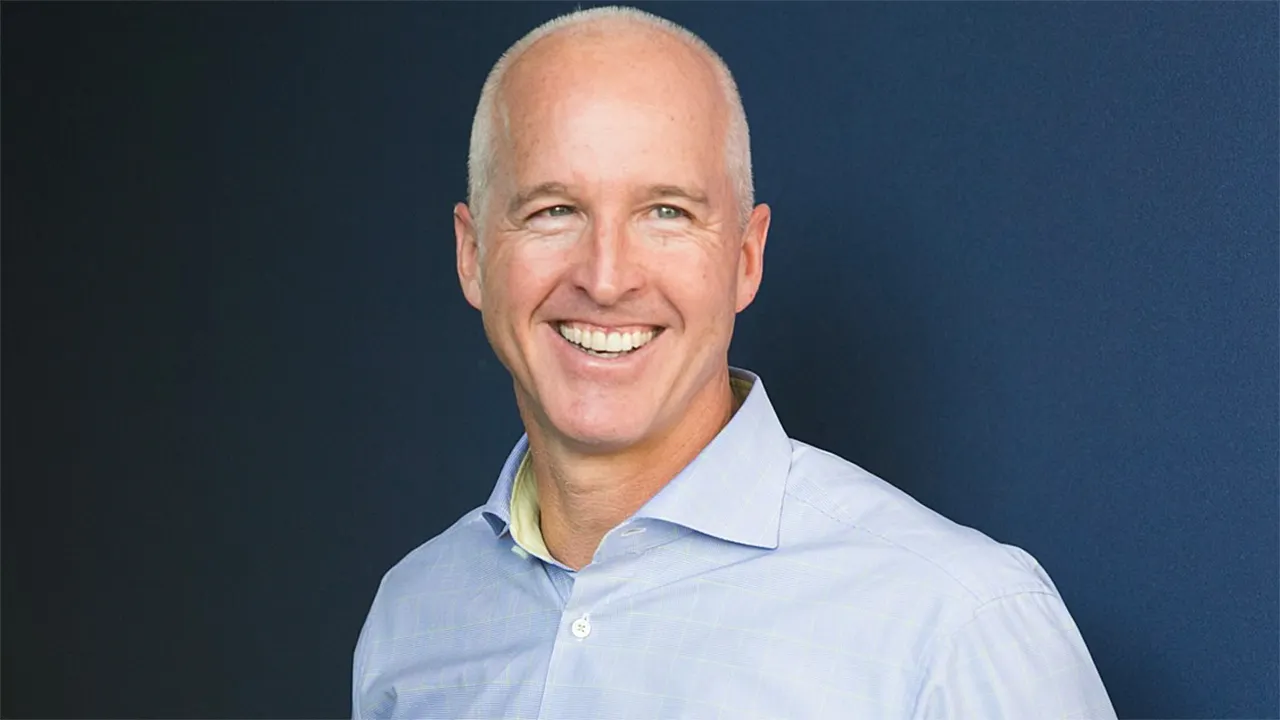
The healthcare landscape in Massachusetts presents a striking paradox: while the commonwealth is home to some of the world’s most prestigious medical institutions and cutting-edge research centers, its residents are burdened by some of the highest healthcare costs in the nation. For Republican gubernatorial candidate Mike Minogue, this disconnect is not a coincidence but a symptom of a highly regulated, top-down system. Drawing from his nineteen years of experience as the CEO of Abiomed, a pioneering medical technology company, Minogue argues that the state’s current challenges cannot be solved by more government mandates. Instead, he believes the path forward lies in a profound cultural shift: adopting a “patients first” mentality. In his business career, Minogue found that aligning every operational decision round whether a move improved patient outcomes, simplified the work of medical staff, or saved systemic costs proved to be a highly effective formula. By translating this corporate philosophy to state governance, Minogue contends that Massachusetts can simultaneously broaden healthcare access, lower premiums, and foster groundbreaking clinical innovation.
A major pillar of Minogue’s proposed reform is liberating frontline healthcare workers from the suffocating administrative burdens that currently consume their workdays. Highly trained doctors and nurses increasingly find themselves bogged down by rigid regulatory compliance and endless documentation, taking valuable time away from direct patient care. To address this, Minogue emphasizes utilizing technical and administrative innovations to streamline medical workflows. By modernizing reporting demands and eliminating redundant red tape, providers can reclaim their time and refocus their energy entirely on clinical medicine. Minogue maintains that nurses and physicians are the absolute heart of the medical system, and any reform that fails to alleviate their professional burnout is fundamentally flawed. Rather than relying on heavy-handed government restrictions that limit how medicine is practiced, his plan focuses on creating a flexible environment where breakthrough ideas can flourish, directly benefiting both patient recovery and provider satisfaction.
Beyond bureaucracy, Minogue points to a glaring geographic disparity in how health services are distributed across the state. While metropolitan Boston enjoys an incredibly high density of premier hospital beds, suburban and rural communities are increasingly struggling with localized “healthcare deserts.” Minogue highlights the closure of Norwood Hospital as a sobering example: a resident experiencing a sudden cardiac event in Norwood now faces a grueling drive of nearly an hour to reach a specialized facility in Boston. The candidate argues that state regulations actively choke local access by funneled high-risk procedures—such as maternity, cardiac, and stroke care—into the most expensive, centralized urban institutions. To counteract this, he proposes a “hub-and-spoke” model of regional care. By expanding outpatient surgical centers and local specialized clinics, the state can decentralize essential medical procedures, lowering overhead costs, sparing families exhausting commutes, and ensuring that life-saving emergency care is not determined by zip code.
This focus on restructuring also extends to the economics of health insurance, a topic Minogue understands deeply from his decades of securing coverage for thousands of corporate employees. Having witnessed firsthand the relentless, double-digit rate increases of annual premiums, he strongly advocates for consumer flexibility and increased market competition. Minogue believes that the state should move away from mandating that every single treatment and procedure be covered under every single insurance plan, which only serves to drive up baseline premiums for everyone. Instead, he proposes allowing families to customize their coverage to match their actual needs, combined with robust, state-supported caps on catastrophic medical expenses to prevent sudden financial ruin. Reflecting on the employee initiatives he spearheaded at Abiomed, Minogue champions the combination of Health Savings Accounts (HSAs) with employer-subsidized deductible caps. By handing financial ownership back to the consumer, his plan aims to empower families to make highly personal, economical healthcare decisions.
Addressing the mental health crisis is another urgent element of Minogue’s platform, especially given the bottleneck in finding active care. While Massachusetts boasts a vast network of mental health counselors, the vast majority operate on a private-pay basis, making them financially inaccessible for low- and middle-income families. As a result, individuals experiencing psychiatric emergencies often end up in crowded emergency rooms that are poorly equipped for long-term psychological rehabilitation. Minogue proposes expanding subsidized government reimbursement rates so that private-pay counselors and local clinics are economically incentivized to accept state-funded patients. Crucially, his plan targets specific populations facing acute psychological distress, such as military veterans dealing with PTSD and correctional officers, who suffer from alarmingly high suicide rates. By systematically removing financial barriers to outpatient counseling, Minogue hopes to provide early, specialized intervention that diverts vulnerable individuals away from overcrowded hospital wards and places them on a direct path to healing.
Ultimately, Minogue’s vision relies on funding these systemic changes not through tax increases, but by aggressively targeting inefficiency, waste, and fraud within the state’s budget. He is confident that a thorough, independent audit of social service spending will yield hundreds of millions of dollars in taxpayer savings. In a unique twist, Minogue proposes using these clawed-back funds to reward the very doctors and nurses delivering high-quality care, establishing performance-based financial incentives tied directly to positive patient outcomes. By aligning financial savings with clinical success, the state can foster a self-sustaining cycle of high-quality, low-cost care. Backed by the Massachusetts GOP endorsement and a strong, collaborative network of medical professionals who helped shape his policy, Minogue is positioned to challenge incumbent Democratic Governor Maura Healey, offering voters a choice centered on decentralized, physician-led innovation and a compassionate, patients-first approach.