



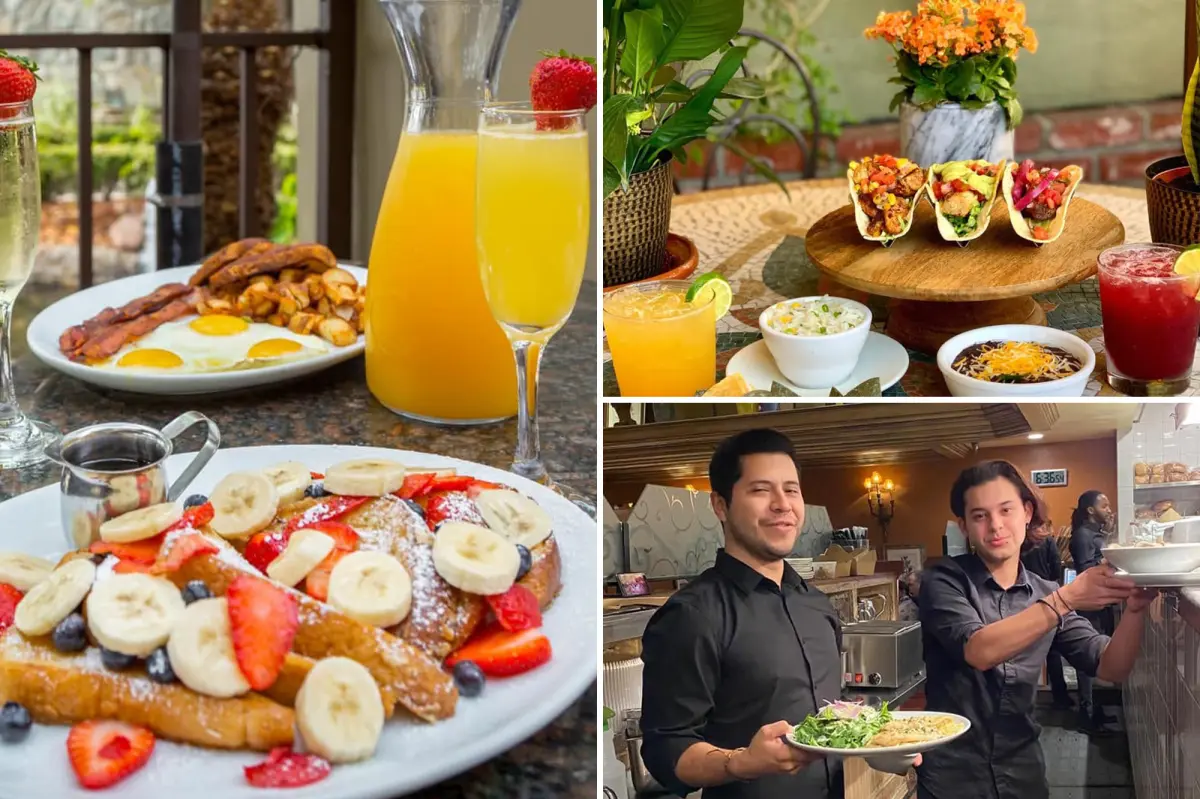
The air in Calabasas carries a poignant weight this week as residents prepare to bid a final, bittersweet farewell to one of the community’s most enduring culinary landmarks. For nearly three decades, the Marmalade Cafe at The Commons has been far more than just a convenient place to grab a quick bite; it has served as a vibrant social anchor, a living room for the neighborhood, and an archival vault of local memories. When the cafe serves its very last meal this coming Sunday, it will mark the quiet conclusion of a storied chapter that spans almost thirty years of local history. Established during an era when Calabasas was still transitioning from a quiet, rustic valley retreat into the ultra-luxurious, star-studded enclave it is today, the cafe stood as a welcoming, reliable constant amidst a rapidly shifting landscape. With its charming patio, bustling breakfast crowds, and familiar warmth, it was the kind of place where soccer teams celebrated championships, screenwriters furiously typed out drafts over bottomless cups of coffee, and multi-generational families gathered to toast to birthdays, graduations, and anniversaries. The Commons, with its beautiful Mediterranean-inspired architecture, winding streams, and resident turtles, will feel distinctly different without the comforting aroma of freshly brewed espresso and warm pastries drifting from the cafe’s familiar corner. The dedicated staff, many of whom have spent decades learning the intricate preferences and life stories of their regular patrons, find themselves preparing for an emotional transition of their own as they dismantle a workspace that felt much more like a home. To lose such a deeply rooted fixture is to lose a piece of the city’s shared identity, leaving behind a physical space that, while temporarily silent, remains forever echoic with the laughter, conversations, and clinking glasses of thousands of mornings spent in the warm Southern California sun.
To truly appreciate why this closure has struck such a sensitive chord with local residents, one must look closely at the culinary philosophy that defined Marmalade Cafe for so long. At its heart, the menu was a beautiful, comforting love letter to the relaxed, sun-kissed spirit of Southern California dining, marrying casual elegance with rich, classic American comfort. Long before the concept of “brunch” was elevated to a high-priority weekend ritual across the country, Marmalade was busy perfecting the art of the leisurely late-morning feast. Regulars could always find solace in a steaming plate of the iconic Marmalade Spicy Chilaquiles, where crispy, hand-fried tortilla chips were generously bathed in a zesty, deeply flavorful salsa, topped with melted cheese, and crowned with perfectly fried eggs that sent rich, velvety yolks running over every bite. For those seeking a bolder flavor profile, the Spicy Chorizo Benedict offered an adventurous twist on the traditional French classic, injecting a fiery, multicultural energy that felt uniquely representative of the diverse Los Angeles culinary landscape. On chilly valley mornings, or perhaps after a particularly exhausting week, nothing could soothe the soul quite like their Southern Fried Chicken & Waffles—a masterful, decadent celebration of crispy, golden-brown skin, tender meat, and light, airy waffles drizzled with sweet syrup. Even the simple, deceptively humble Breakfast Tacos carried a sense of effortless coastal ease, providing the perfect, satisfying fuel for locals heading out to explore the nearby Santa Monica Mountains. Every plate served felt less like a mass-produced item and more like a warm invitation to slow down, converse, and appreciate the company of those sharing the table, reminding us of the unique power that food holds to bring people together in an increasingly fast-paced world.
Consequently, when news of the impending shutdown began to filter through social media and local community forums, it triggered a massive, highly public outpouring of diverse human emotions that perfectly illustrates how deeply we attach our own lives to the spaces we visit. For many sentimental patrons, the announcement was met with a profound sense of mourning, with one devastated user taking to Instagram to express their sadness, writing that the closure was a genuine shame and praising the institution for its consistently good food and wonderfully kind owners. However, a modern community’s reaction to the loss of a long-standing business is rarely simple, and the digital conversation quickly became a fascinating study in the evolving tastes and economic anxieties of suburbia. In a humorous yet highly telling moment that captured the attention of many online onlookers, the regional McDonald’s West Coast Instagram account suddenly chimed in on the discussion, bluntly asking, “Rent too high?”—a playful comment that nevertheless highlighted the sobering, real-world financial pressures and skyrocketing commercial real estate rates that continue to squeeze out legendary brick-and-mortar operations across Southern California. At the same time, a more critical segment of the local population expressed a sense of weary readiness for change, with some suggesting that the restaurant’s quality had noticeably declined in recent years, describing the food as having become bland and the service as frustratingly slow. For these forward-looking residents, the initial sting of nostalgia was quickly replaced by a sense of eager anticipation, as they expressed excitement about what new, innovative culinary concepts might soon arise to breathe fresh life into the prime, highly coveted corner location. This intricate, conflicting web of grief, practical economic speculation, and optimistic excitement for the future underscores the complex lifecycle of local dining spots, where maintaining the delicate balance between nostalgic charm and top-tier execution is a constant, highly demanding tightrope walk.
To understand the grand trajectory of this local institution, one must look back to its modest, inspiring origins in 1990, a time when the Southern California food landscape was undergoing a significant, health-conscious transformation. The visionary concept was born on Montana Avenue in Santa Monica, a pristine, breezy thoroughfare that was just beginning to establish itself as a premier destination for chic boutiques, trendsetting locals, and upscale neighborhood cafes. It was here that three passionately creative entrepreneurs—Selwyn Yosslowitz, Robert Burns Jr., and Bonnie Burns—founded the very first iteration of the Marmalade Cafe. Originally, it was not the expansive, full-service, sit-down restaurant that Calabasas families would eventually grow to love, but rather an intimate, 1,400-square-foot bakery and bustling grab-and-go counter. The founders had identified a crucial gap in the market, recognizing that busy, health-conscious Angelenos were desperately searching for fresh, high-quality, California-inspired meals that could easily fit into their incredibly hectic, fast-paced lifestyles. By focusing on scratch-made artisan pastries, vibrant gourmet salads, and creatively crafted sandwiches, the tiny boutique captured the cultural zeitgeist of the early nineties, where convenience no longer had to mean a compromise on nutritional value or culinary artistry. It became an instant, runaway hit, drawing daily crowds of coastal residents who appreciated the passion baked into every loaf of bread and every fresh salad, proving that the founders had tapped into a profound and lasting consumer desire. This early success on Montana Avenue established the core philosophy that would guide the brand for decades: that great food should feel both sophisticated and inherently comforting, laying a strong foundation for an ambitious journey of regional growth that would soon bring their signature flavor to other parts of Los Angeles.
Fueled by the overwhelming success of their original Santa Monica location, the founders embarked on a carefully measured and highly successful campaign of expansion, bringing their beloved culinary aesthetic to several of the most affluent, high-traffic neighborhoods across Southern California. Over the years, the brand grew into a respected regional network of seven distinct locations, establishing footprints in highly desirable destinations such as Westlake Village, the historic and bustling Los Angeles Farmers Market, and, most notably, the beautiful open-air retail paradise of The Commons at Calabasas. This systematic expansion was a testament to the robust, universal appeal of their dining concept, which seamlessly blended family-friendly warmth with a stylish, upscale-casual environment. However, as is so often the case with successful, homegrown entrepreneurial stories, massive growth eventually led to a transitional changing of the guard. In 2007, the founding siblings and partnership group made the difficult, deeply emotional decision to sell their thriving restaurant chain to new ownership. This pivotal sale allowed the original founders to transition their creative energies back to their intimate, hands-on culinary roots, eventually leading to the successful launch of Bedford & Burns, a beloved neighborhood bistro located in the heart of neighboring Beverly Hills. This transition from a passionately run, family-owned business to a structured corporate partnership marked a quiet but significant turning point for the Marmalade Cafe brand, introducing the complex challenge of maintaining that fragile, elusive home-cooked magic across multiple high-volume locations. While the new corporate stewards worked hard to preserve the signature recipes and welcoming atmosphere that patrons expected, navigating the shifting economics of Southern California’s luxury real estate market and evolving diner expectations proved to be an increasingly difficult endeavor as the years marched on.
Ultimately, the impending closure of the Marmalade Cafe in Calabasas serves as a poignant reminder of the bittersweet, ever-changing nature of the communities we call home, where even the most treasured fixtures must eventually yield to the relentless march of time. As the final sets of plates are cleared, the espresso machines are wiped down, and the kitchen fires are extinguished for the very last time this Sunday, the city of Calabasas will close the book on a space that had been defined by warmth, laughter, and comfort for almost three whole decades. For those who spent their childhoods sliding into the cafe’s cozy booths, or who found comfort in its familiar menu during times of personal transition, the empty storefront will stand as a quiet source of grief—a visual marker of a cherished era in local history that has officially reached its end. Yet, in the vibrant, forward-looking culture of Southern California, this farewell also paves the way for the inevitable cycle of rebirth and reinvention, sparking exciting conversations about what new, innovative chef-driven concept might next occupy this iconic piece of Calabasas real estate. The restaurant industry remains one of the most notoriously demanding and volatile landscapes in the business world, making Marmalade’s remarkable, nearly thirty-year run an extraordinary triumph of community connection and culinary dedication that deserves to be remembered with immense pride. As the cafe fades gracefully into the colorful history of Calabasas, it leaves behind a warm legacy of shared memories, morning coffees, and the simple, enduring human magic that occurs whenever we gather around a table to break bread with the people we love. Though the sign may soon come down and the tables may be cleared away, the spirit of connection that blossomed within those walls will continue to live on in the hearts of the thousands of neighbors who, for twenty-seven beautiful years, happily called Marmalade Cafe their second home.