



In our hyper-connected yet deeply isolated modern world, humanity is grappling with an unprecedented epidemic of chronic stress, anxiety, and profound loneliness. We navigate a fast-paced existence dominated by digital screens, professional pressures, and a cultural narrative that equates independence with strength, leaving many of us to face our psychological battles in sterile, self-imposed isolation. When life becomes overwhelming, our instinct is often to retreat inward, putting up emotional walls and attempting to intellectualize or suppress our distress rather than seeking comfort from those around us. This solitary coping mechanism, however, stands in stark, unnatural contrast to the ancient evolutionary blueprint that shaped our lineage over millions of years. Deep within our biological heritage lies a far more intuitive, embodied, and communal approach to navigating adversity—one that is beautifully illustrated by our closest living evolutionary relatives, the chimpanzees and bonobos. These remarkable primates share over ninety-eight percent of our DNA, and their social lives offer a profound, living mirror to our own relational needs. Unlike modern humans, who frequently view vulnerability as a liability and keep physical distance during times of crisis, our primate cousins instinctively lean into their communities when tension rises. By observing how chimpanzees and bonobos turn to one another for tactile reassurance, physical comfort, and emotional co-regulation during moments of intense tribal friction or individual vulnerability, we can begin to unlearn our maladaptive habits of isolation. Reclaiming this primate legacy of physical connection might hold the vital key to healing our fractured modern nervous systems, illustrating that our greatest source of resilience has never been our individual fortitude, but our willingness to reach out and hold one another through the storms of life.
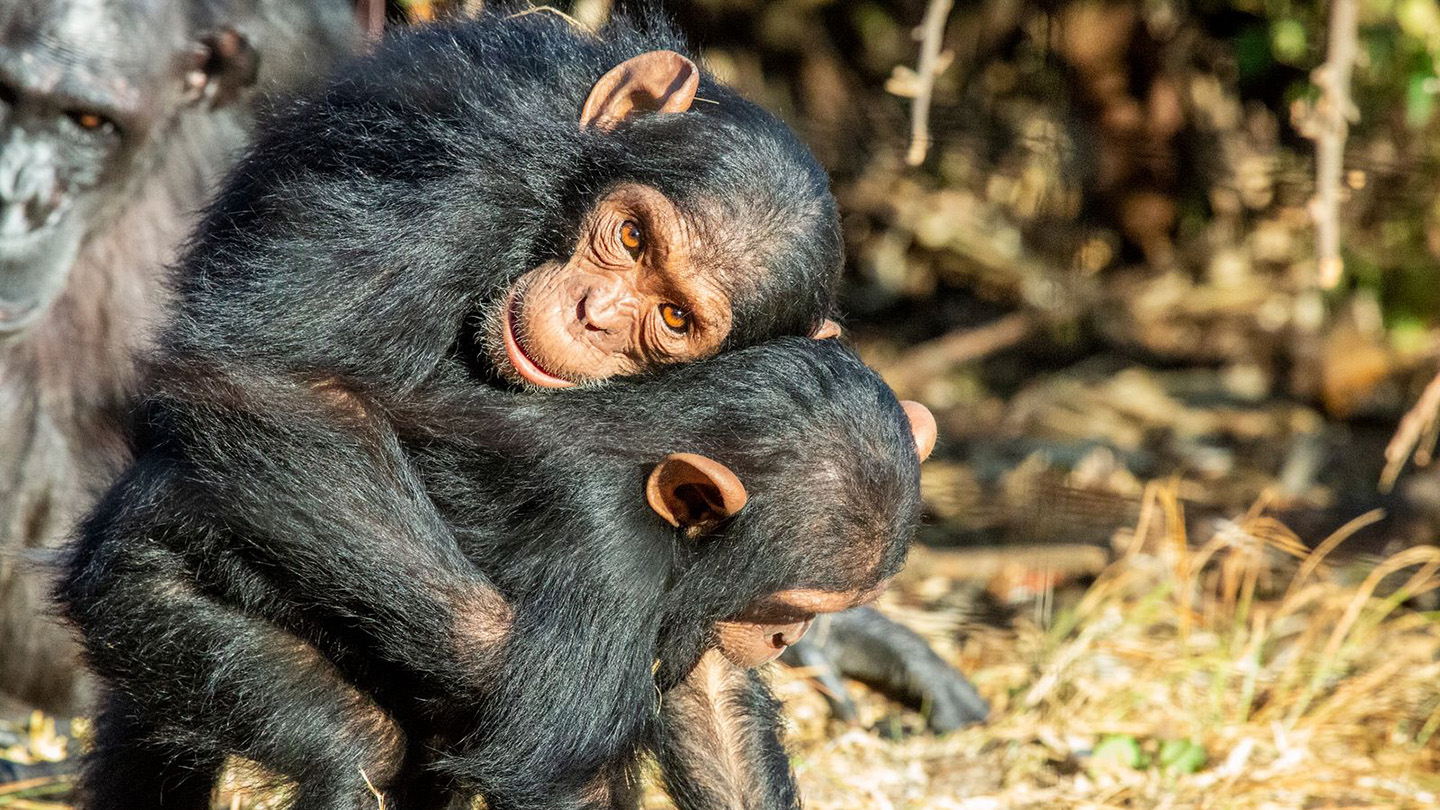
To truly appreciate the wisdom of this evolutionary survival strategy, we must first look to the complex and often volatile social landscape of the chimpanzee (Pan troglodytes). Within chimpanzee communities, life is defined by intense competition, strict status hierarchies, and frequent power struggles that can easily erupt into dramatic physical confrontations. Yet, what makes chimpanzees so incredibly resilient is not their capacity for aggression, but their extraordinary, highly structured system of post-conflict reconciliation and consolation. Immediately following a tense screaming match or a physical skirmish, the atmosphere of the community shifts from one of hostility to a collective, active seeking of peace. Bystanders who were not directly involved in the fight, as well as the combatants themselves, will actively seek out the distressed individuals to offer what primatologists call “third-party affiliation.” This manifests as gentle embraces, soft pats on the back, reassuring kisses on the head, and meticulous, rhythmic grooming sessions. This physical contact is not merely a superficial social gesture; it is a powerful physiological intervention. Scientific measurements of chimpanzee heart rates and stress hormones, such as cortisol, reveal that these targeted acts of physical reassurance cause an immediate and dramatic down-regulation of the nervous system. The comforting touch of a group member literally acts as an emotional shock absorber, transforming a state of terror and hyper-arousal back into one of safety and equilibrium. For chimpanzees, touch is the primary currency of peacemaking and emotional recovery, a tactile language that effortlessly communicates: you are safe, you are still part of the group, and we are in this together.
While chimpanzees use physical touch to heal wounds and re-establish peace after a conflict has already occurred, their sister species, the bonobos (Pan paniscus), offer an even more radical perspective on the preemptive power of physical intimacy. Often described as the peaceful, matriarchal, and highly empathic counterparts to chimpanzees, bonobos live in societies where serious, injurious violence is incredibly rare, largely because they have developed a cultural toolkit that uses physical contact to diffuse social tension before it can ever escalate into aggression. For bonobos, any situation that could potentially trigger anxiety or competition—such as arriving at a highly prized fruit tree or encountering a neighboring group—is immediately met with an outburst of intense, affectionate, and varied physical contact. This includes mutual grooming, closely synchronized body contact, playful wrestling, and diverse socio-sexual behaviors that transcend age and gender boundaries. Instead of allowing fear and scarcity to drive them apart into defensive postures, bonobos instinctively move closer to one another, using physical pleasure, play, and comforting touch to flood their systems with oxytocin and dopamine. By prioritizing the collective nervous system over individual self-preservation, bonobos demonstrate how a society built on the foundation of continuous, consensual tactile reassurance can cultivate a deeply cooperative, largely peaceful existence that is virtually free from the systemic trauma of chronic violence.
The profound efficacy of these primate behaviors is deeply rooted in a biological phenomenon that humans share: the therapeutic mechanism of “social buffering.” When a social mammal experiences a threat, the brain’s amygdala triggers a cascade of stress hormones designed to prepare the body for fight or flight. However, when that same mammal is in close physical contact with a trusted companion, the presence of that companion acts as a powerful buffer, actively dampening the brain’s fear response and halting the toxic accumulation of cortisol. This process is driven by the stimulation of pressure receptors beneath the skin, which send messages directly to the vagus nerve, slowing the heart rate, lowering blood pressure, and stimulating the release of oxytocin—the hormone of bonding, trust, and safety—along with endogenous opioids, the body’s natural pain relievers. When we look at chimpanzees grooming one another or bonobos embracing during a moment of tension, we are witnessing the physical manifestation of social buffering in its purest, most highly evolved form. It is a biological reality that we, as humans, are wired to experience as well; our brains and bodies are designed to co-regulate with other human bodies. We are not self-contained machines capable of running indefinitely on our own battery power; we are relational organisms whose neurological homeostasis is fundamentally dependent on the reassuring physical presence of our tribe.
Despite this deeply ingrained evolutionary wiring, modern human society has engineered a lifestyle that systematically deprives us of this essential biological nutrient, resulting in a widespread state of “touch starvation” or “skin hunger.” In our quest for progress, privacy, and independence, we have constructed highly individualized lives where physical contact has been largely sanitized, professionalized, or strictly confined to the narrow realm of romantic and sexual relationships. We live in separate houses, work in isolated cubicles, and communicate through digital interfaces that offer the illusion of connection while leaving our physical bodies utterly starved of warmth. The casual, platonic, and deeply comforting touch that characterized the daily lives of our ancestors—and continues to sustain our primate cousins—has been largely pathologized or abandoned due to social taboos and a fear of boundary violations. Consequently, when we experience the inevitable storms of life, such as grief, professional failure, or existential anxiety, we often suffer in a state of tactile isolation. When we are denied the simple, healing power of a prolonged hug, a hand held during a difficult conversation, or a reassuring arm around the shoulder, our nervous systems remain trapped in a state of high alert. This chronic, unbuffered stress erodes our physical health, compromises our immune systems, and fuels the relentless rise of mental health crises across the globe, highlighting the devastating cost of ignoring our fundamental primate need for tactile community.
Reclaiming our primate legacy is not about abandoning the structures of modern civilization, but about intentionally weaving the ancient wisdom of physical co-regulation back into the fabric of our daily lives. To heal our collective anxiety, we must begin to consciously de-stigmatize and normalize platonic, comforting touch within our families, friendships, and communities. We can learn from the chimpanzees to hold space for one another in the aftermath of conflict, moving past our cognitive defenses to offer the simple, grounding presence of a warm embrace rather than immediately demanding intellectual explanations or retreating into defensive silence. We can learn from the bonobos to proactively use physical warmth, shared play, and affectionate reassurance to diffuse the daily anxieties of our households and workplaces, recognizing that a regulated nervous system is the ultimate foundation for rational cooperation and creative problem-solving. By cultivating a culture that honors our biological need for touch—whether through the simple act of holding a grieving friend, cuddling our children without agenda, or integrating somatic, touch-based therapies into our healthcare systems—we can begin to dismantle the cold walls of modern isolation. In doing so, we honor the ancient, beautiful wisdom of the primates who came before us, remembering that in moments of darkness and tension, our greatest human superpower is not our ability to stand alone in our strength, but our divine capacity to reach out, soften, and find our way back to safety in each other’s arms.