


As artificial intelligence relentlessly marches into the corporate world, threatening to automate and replace traditional white-collar deskside roles, a quiet but profound shift is occurring in the cultural landscape of work. A growing number of high school and college graduates are turning away from the promises of the screen-bound corporate ladder, discovering instead that getting their hands dirty is the ultimate career cheat code representing both financial prosperity and ironclad job security. In major metropolitan areas, especially those with rich historical footprints like San Francisco, the demand for highly skilled tradespeople is skyrocketing. While tech sector employees face rounds of layoffs and the existential dread of being replaced by algorithms, the women and men who keep our physical world moving are quietly commanding six-figure salaries. There is a newfound, deeply human respect brewing for the crafts that keep our civilization running, proving that the smartest career move in the twenty-first century might just be mastering a trade.
Nowhere is this reality more apparent than in the vertical transportation sector of the San Francisco Bay Area. In a city defined by its steep hills and a century-old architectural skyline, aging elevators and escalators have created an unprecedented boom for specialists who can diagnose, repair, and maintain these complex systems. According to recent data from the Bureau of Labor Statistics, elevator and escalator installers and repairers are now among the highest-paid blue-collar professionals in the region, bringing home annual salaries ranging comfortably between $109,820 and $130,000, with seasoned veterans earning even more. This financial compensation outpaces several construction supervisory roles and specialized masonry fields, establishing elevator maintenance as a premier tier within the physical trades. As infrastructure continues to age and get neglected under the weight of time, this economic valuation is only projected to rise, transforming what was once seen as a modest blue-collar job into a highly lucrative, prestigious career path.
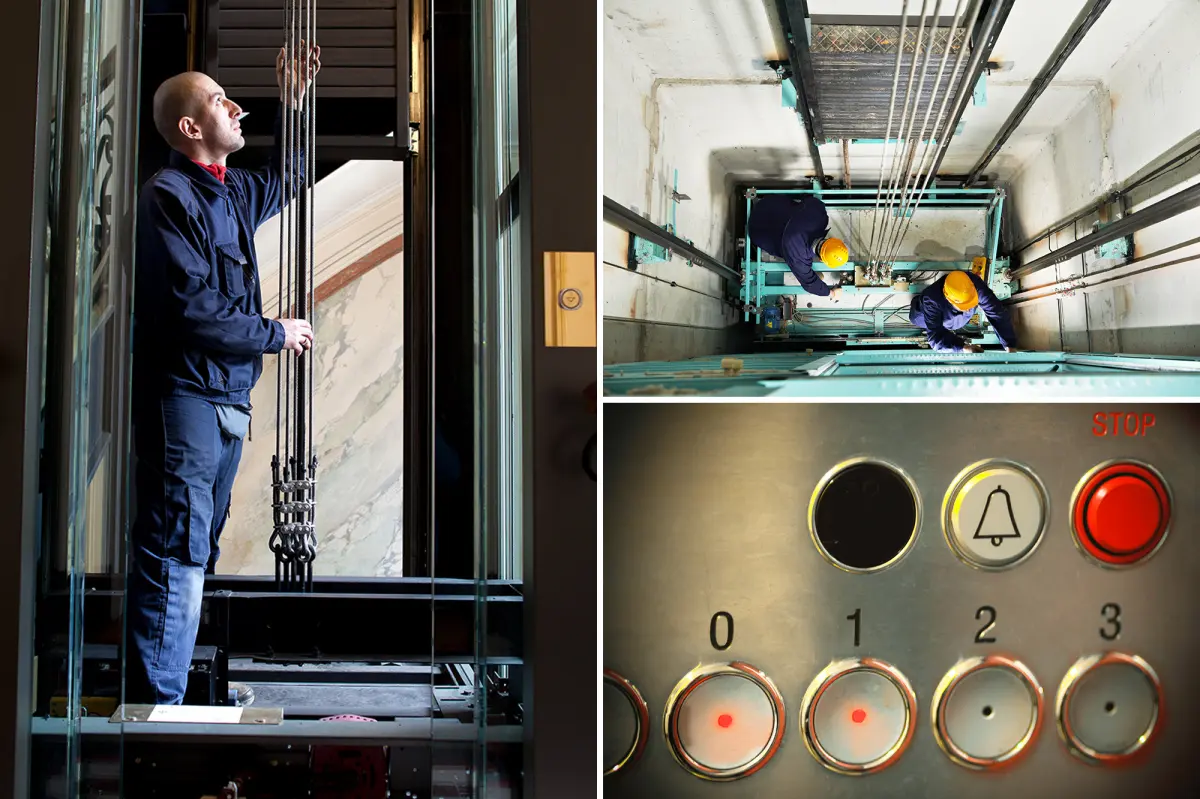
The secret to this profession’s immense value lies in its sheer complexity, a reality proudly championed by industry leaders. Greg Hardeman, a representative with the local International Union of Elevator Constructors (IUEC), notes that the union is rapidly approaching its 125th anniversary, maintaining a legacy of keeping San Francisco in motion for well over a century. Hardeman colorfully describes elevator technicians as the “SEAL Team 6 of the trades” because the job requires an incredibly diverse, hybrid skill set. To successfully install or fix an elevator, a technician cannot just be a specialist in one area; they must simultaneously act as electricians, welders, riggers, and mechanical engineers. From welding heavy structural brackets to pulling intricate wiring harnesses and meticulously aligning massive steel tracks, the cognitive and physical demands of the job are immense. Because of this, the trade is virtually immune to the threats of mechanical automation, as every building presents a unique, localized puzzle that no algorithm or robotic arm can currently solve.
This unique combination of high pay and absolute job security has triggered a massive wave of interest among younger generations seeking alternatives to the traditional, debt-ridden university route. Hardeman recently witnessed this firsthand when the local union opened up online applications for its highly competitive apprenticeship program. To the shock of organizers, they received 750 applications, which were fully submitted and filled in under sixty seconds—a staggering rate of interest that rivals the virtual ticket sales of major pop concerts. This gold rush for trade apprenticeships highlights a massive generational realization: the myth that a four-year college degree is the only path to a stable, middle-class life is officially cracked. Young people are looking at the realities of the modern economy and recognizing that a career requiring physical presence, creative problem-solving, and tactile mastery offers a far more reliable foundation for building a life than many entry-level corporate positions ever could.
The stark reality of this modern labor divide is something the trade’s veterans do not mince words about. Mike Moore, a veteran elevator technician and union instructor, offers a blunt wakeup call to the millions of office workers currently enjoying the comforts of remote work. Moore warns that if a job can be fully executed from a home office laptop, it can just as easily be outsourced to a worker in another country who is willing to do the exact same tasks for a fraction of the cost. The globalized digital economy makes white-collar remote workers highly vulnerable to international wage competition and software replacement. However, physical infrastructure anchors labor to an exact geographic spot. If a high-rise elevator carrying residents or workers suddenly breaks down in downtown San Francisco, it is physically impossible to outsource that crisis to another continent. It urgently requires a real human being to physically travel to the site, open the shaft, look at the machinery with their own eyes, and use their physical hands to fix the problem.
Despite the high pay and incredible demand, obtaining entry into this elite club of technicians requires patience, grit, and a willingness to learn from the ground up, though the barrier to entry is delightfully simple. To qualify for the prestigious apprenticeship program, an applicant does not need expensive college credits or prior engineering experience; they only need a high school diploma or equivalent. However, the path to becoming a certified journeyman is a rigorous, four-to-five-year journey of hands-on field experience matched with intense classroom study. Currently, there are only about 1,400 certified elevator technicians servicing the entirety of Northern California, supported by just two dedicated trade schools in the entire state. This extreme scarcity of highly trained labor ensures that those who do successfully complete the training program remain in-demand, highly compensated, and virtually indispensable. As the world continues to digitalize, the professionals who keep our physical world climbing upward are proving that the future of secure work belongs to those who build, maintain, and touch the earth.