



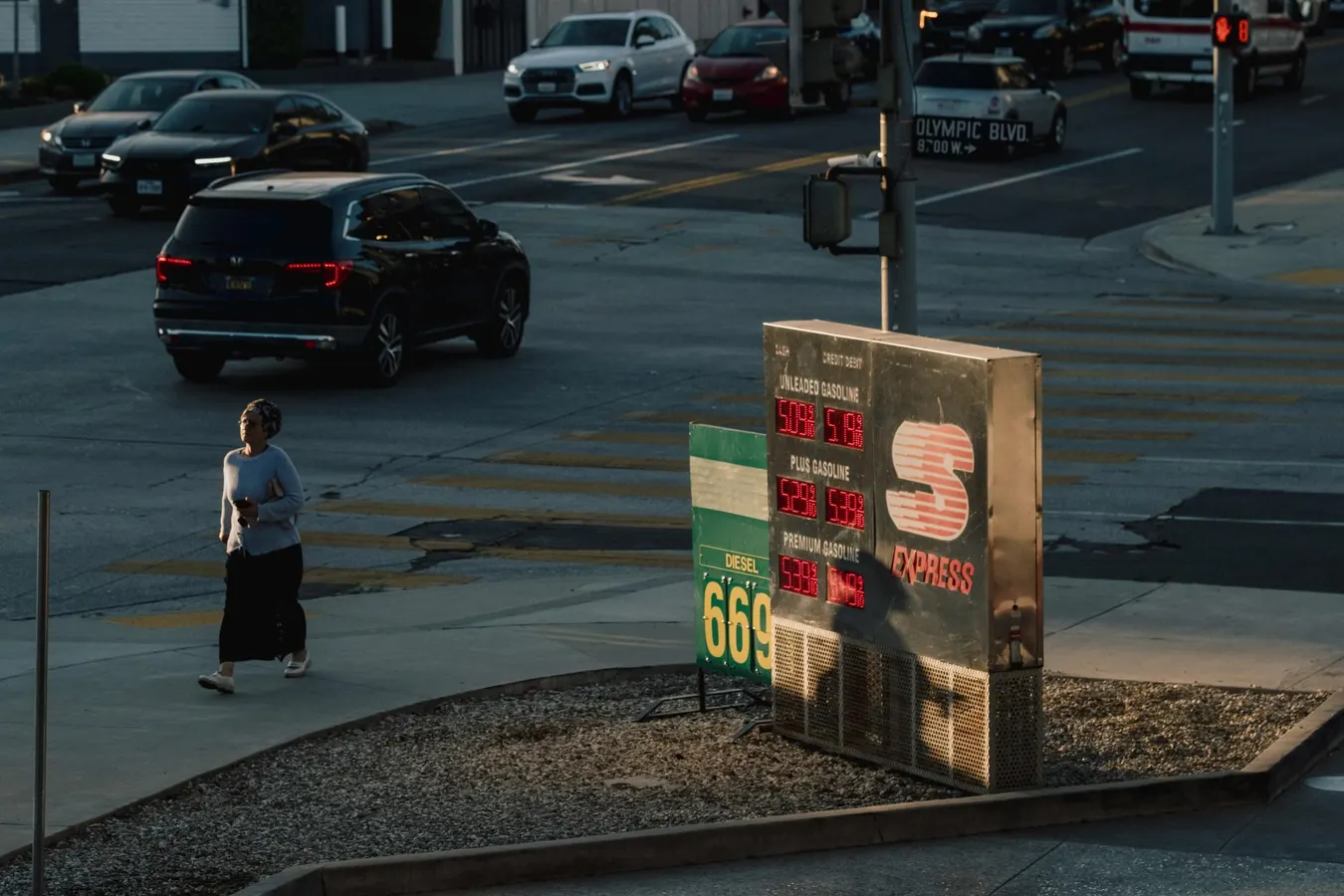
For years, drivers in California have gritted their teeth at the gas pump, facing prices that consistently outpace the rest of the nation. It is a frustrating reality that has only worsened over time, to the point where the Golden State’s fuel prices regularly exceed those of Hawaii—an isolated island state in the middle of the Pacific Ocean that must import every single drop of its energy. While political figures like Governor Gavin Newsom have frequently attempted to shift the blame onto big oil companies, federal policies, or geopolitical conflicts in the Middle East, a comprehensive new study paints a far different picture. The research reveals that the painful prices consumers pay are not the result of corporate greed or global instability, but rather a direct consequence of deliberate, localized political decisions.
The study, titled “The Pacific Premium” and published by the Institute for Energy Research (IER), systematically dismantles the narrative of external blame. Written by energy analyst Daniel Simmons, the report highlights a stark, nationwide political divide when it comes to fuel costs: states led by Democratic governors and legislatures consistently feature much higher gasoline and diesel prices than those governed by Republicans. This trend is most aggressively pronounced along the West Coast, where California, Oregon, and Washington have been governed by Democratic majorities for decades. According to the research, this price gap is the direct result of state-level tax structures and aggressive environmental mandates. In these regions, policymakers have prioritized climate goals and carbon reduction over consumer affordability, leading to a compounding financial burden that is passed straight to the daily commuter.
This dynamic is particularly evident when looking at how supply chains and infrastructure are managed across state lines. In the energy sector, geographic self-sufficiency and robust infrastructure are key to keeping prices low. States that produce their own crude oil, possess modern refining capacities, and maintain extensive pipeline networks naturally enjoy much lower prices at the pump. Conversely, states like Oregon, which has no in-state oil production and lacks a single operating refinery, must import all of its fuel, driving costs upward. Washington, despite having some refining capacity, similarly depends heavily on external sources. The policy choices in these states do not assist in alleviating these natural logistical hurdles; instead, they layer additional regulatory costs on top of them, ensuring that West Coast drivers pay some of the highest premiums in the world.
California’s situation is perhaps the most self-inflicted and extreme example of this policy-driven energy crisis. Although the state was once an absolute juggernaut in domestic oil production, decades of hostile state policies have intentionally decimated its local oil and gas sector. Today, California produces only a fraction of its own daily energy needs. Furthermore, state leaders have actively blocked the construction of interstate pipelines that could bring in affordable domestic crude oil from other parts of the United States. As a result of these self-imposed barriers, the state is forced to rely on expensive foreign oil tanker shipments. Compounding this supply vulnerability is the state’s dwindling refining sector; hostile regulations have squeezed operators so severely that only seven active refineries remain, and nearly all of them have announced plans to wind down operations in the near future.
Beyond supply hurdles, California’s unique regulatory environment adds layers of cost that other states simply do not face. To combat its historic air quality issues, the state mandates a highly specialized, boutique blend of reformulated gasoline that is expensive to produce and cannot be easily imported from other states during supply shortages. While addressing air pollution is a legitimate public concern, the state has compounded this challenge by layering on a low-carbon fuel standard, aggressive refinery regulations, and some of the highest fuel taxes in the country. When a supply disruption occurs, California’s isolated market cannot easily find relief because no other state refines the specific fuel blend required by Sacramento’s strict environmental laws. This creates a perfect storm of artificial scarcity and soaring costs.
Ultimately, the data shows that the dramatic price gap between red and blue states is not a random economic anomaly, but a reflection of contrasting governing philosophies. While red states have generally prioritized energy abundance, infrastructure development, and consumer affordability, blue states have chosen a path of heavy taxation, stringent carbon limits, and fossil fuel suppression. These policy goals may be popular with certain voter bases, but they come with an undeniable, everyday price tag for working-class families. As energy policies continue to diverge across state lines, the lesson of the Pacific Premium is clear: the prices we pay at the pump are a direct reflection of the political choices made by those we elect to office, proving that state-level elections carry very real financial consequences.