


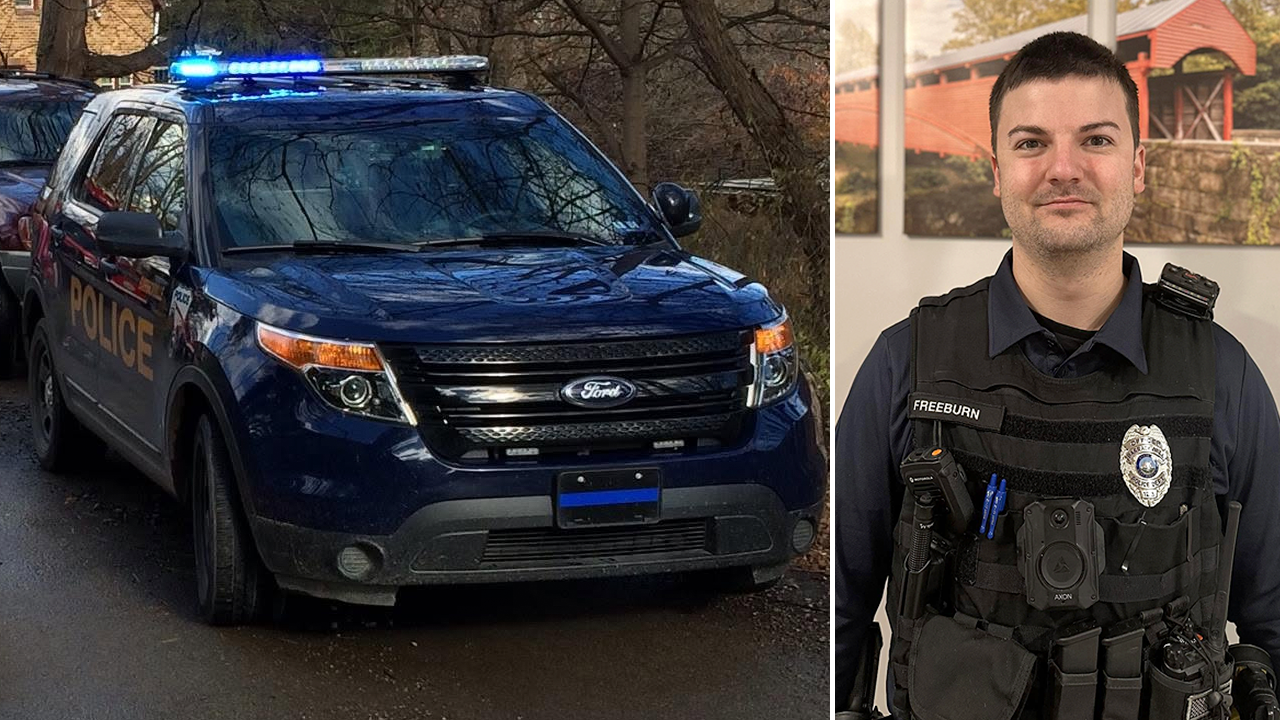
The quiet town of Barrackville, West Virginia, has recently found itself at the center of a confusing and highly publicized drama involving its local police force. On July 7, a dramatic post appeared on the Barrackville Police Department’s official Facebook page, announcing to shocked residents that the entire department had been abruptly relieved of duty by the mayor and city council. This sweeping announcement came on the heels of the sudden resignation of Police Chief Zachary Freeburn. For a small community, the prospect of having its entire police force dismissed overnight sparked immediate concern and raised urgent questions about local safety, accountability, and what exactly was happening behind the closed doors of their municipal building.
However, the town’s leadership quickly moved to dispute this narrative, paint a very different picture of the situation, and reassure the public. John Funkhouser, the general counsel for Barrackville, released a statement clarifying that the claim of a mass firing was entirely inaccurate. According to the town’s administration, the police department was not dismantled. Instead, its remaining two officers, David Hunt and Ethan Darden, were placed on temporary inactive administrative leave. This decision was made to allow the town council time to conduct a thorough internal review of the department’s operations, a move sparked by troubling discoveries regarding the security and handling of sensitive police property.
The catalyst for this administrative upheaval began in early July, when Chief Freeburn reportedly informed a council member that the department’s evidence locker had been cleaned out under orders from the Marion County Prosecutor’s Office. This transition apparently left behind only a few old, confiscated firearms and a meager thirty dollars in cash. Immediately following this disclosure, Chief Freeburn resigned from his post. When Officer Hunt reached out to Mayor Thomas Straight to discuss the future of the department, the mayor grew increasingly concerned over a distinct lack of proper records, documentation, and protocols. To protect the integrity of the municipality, the mayor decided that a temporary pause on active policing was necessary to evaluate how the department was being run.
As town officials began to look closer, security concerns rapidly escalated. Mayor Straight raised alarms that unauthorized individuals might have remote digital access to the security cameras monitoring the police department, including those aimed at the sensitive evidence room. When council members went to inspect the facility in person, they discovered a glaring lack of basic security: a list of combinations to the safe was left sitting out on a desk, and on-site patrol cruisers were found unsecured, with one even containing an unlocked rifle. These vulnerabilities prompted the council to officially place the remaining officers on leave while they sorted out the operational chaos.
The situation grew even more contentious when Officer Hunt publicly accused town officials of staging a break-in. Hunt claimed that when he arrived for his shift on July 7, he discovered unauthorized entry into the evidence room, leading him to demand a state-level investigation and request whistleblower protection. He maintained to local media that he and his colleague were fired precisely because they spoke out about this alleged breach. In response to the growing friction and the resignation of the police department’s clerk, town officials met directly with the West Virginia State Police to ensure all state guidelines and investigation protocols were being properly followed.
While the town council and the sidelined officers continue to lock horns over what truly transpired in the evidence room, the immediate safety of Barrackville’s citizens remains the top priority. To fill the sudden void in local law enforcement, Marion County Sheriff Roger Cunningham confirmed that his deputies will be handling all emergency and routine patrol calls within the Barrackville area. As the town council canceled its immediate meetings to gather more solid facts, the community is left waiting for the results of the internal review, hoping for a swift resolution that restores both security and trust in their local leadership.