


In the heart of Sheepshead Bay, a quiet and historically tight-knit Brooklyn neighborhood, a wave of deep anxiety is washing over local residents. The source of their worry is the city’s sudden decision to convert the former Gold Star Inn—which has served as a temporary shelter for 55 families over the past year—into a facility housing 110 single homeless men. According to reports, New York City’s Department of Homeless Services (DHS) plans to begin moving these men into the shelter as early as next week. What has transformed neighborly concern into outright outrage, however, is the revelation that the city will not be conducting any criminal background checks on the incoming residents, leaving locals feeling exposed, unheard, and deeply vulnerable.
For the people who call this corner of Brooklyn home, the neighborhood’s peaceful character already feels like it is slipping away. Longtime residents report a noticeable shift in the community’s safety and atmosphere since the shelter first opened its doors last year. Neighbors describe distressing encounters that have recently become part of their daily lives, from car break-ins to public indecency in nearby Lew Fidler Park, a beloved green space where neighborhood children play. While overall crime in the local 61st Precinct has actually ticked down by about 7% this year, specific offenses have spiked dramatically. NYPD data reveals that shooting incidents have surged by 400%, reports of rape have doubled from eight to sixteen, and retail theft is up by 10% compared to last year. These statistics represent more than just numbers to the families living nearby; they represent a growing, palpable fear for their personal safety.
The anxiety is particularly acute for parents and elderly residents who frequent the park directly across the street from the shelter. Local leaders, including Republican City Councilwoman Inna Vernikov, have stepped forward to champion the community’s concerns, writing a formal letter of protest to the Department of Social Services (DSS). Vernikov warned that converting the facility to house single men without any background vetting is “devastating” and creates a dangerous blind spot, potentially allowing convicted felons or sex offenders to live in close proximity to children and vulnerable seniors. Local mother Olga Adynets expressed a common dread among neighbors, noting that she has already observed individuals recently released from prison staying at the facility. For residents like Olga, the lack of transparency feels like a breach of trust by the city officials sworn to protect them.
Adding to the community’s distrust is the controversial organization tasked with running the shelter. BHRAGS, a non-profit social services provider, has recently been mired in federal scandal. Earlier this year, the organization’s former executive director and board chairman were indicted on federal charges of wire fraud, embezzlement, and accepting kickbacks. Despite this active federal investigation, Mayor Zohran Mamdani’s administration awarded BHRAGS nearly $200 million in fresh city contracts this past June. Although city officials emphasize that the non-profit is now under entirely new leadership and has had its operational portfolio reduced, the association with a compromised organization has done little to reassure a skeptical public that the facility will be managed safely and responsibly.
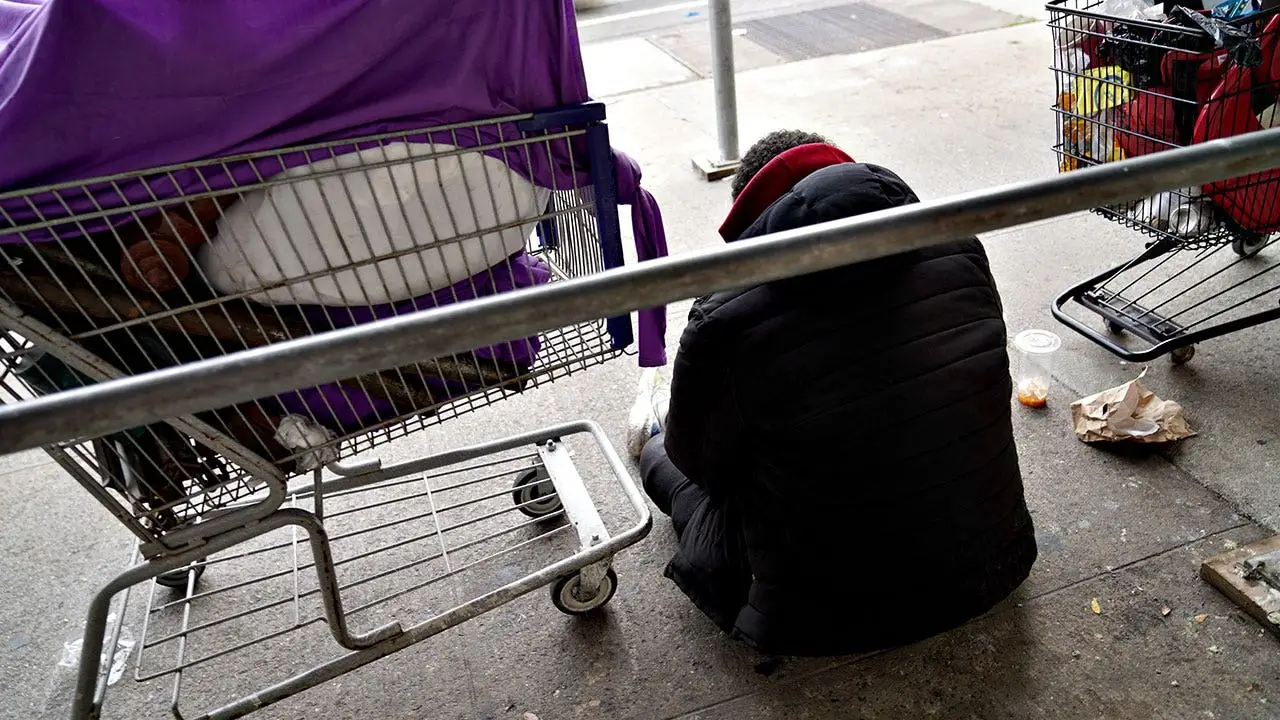
City officials have defended the transition as a necessary administrative pivot to address shifting demographic demands within New York’s massive shelter system. According to the Department of Social Services, the city is currently seeing a decline in the number of homeless families requiring shelter, contrasted with a rising need for housing among single adult men. A spokesperson for DSS explained that the agency is actively working to combat what it describes as a unfair “prevalent stigma” against single homeless men. To ease the transition, the department promised to implement “good neighbor policies” and maintain active, open lines of communication with Sheepshead Bay residents to address community complaints as they arise.
Yet, for the people of Sheepshead Bay, these official assurances ring hollow against the backdrop of their daily realities. Neighbors like Ginny, a local resident, argue that neglecting basic background checks is simply “not very diligent of the city” and compromises the basic duty of care owed to tax-paying citizens. As the transition date looms, the neighborhood remains in a state of tense anticipation, caught between the city’s bureaucratic mandates to house the vulnerable and the community’s fundamental desire to keep their streets, parks, and children safe.