


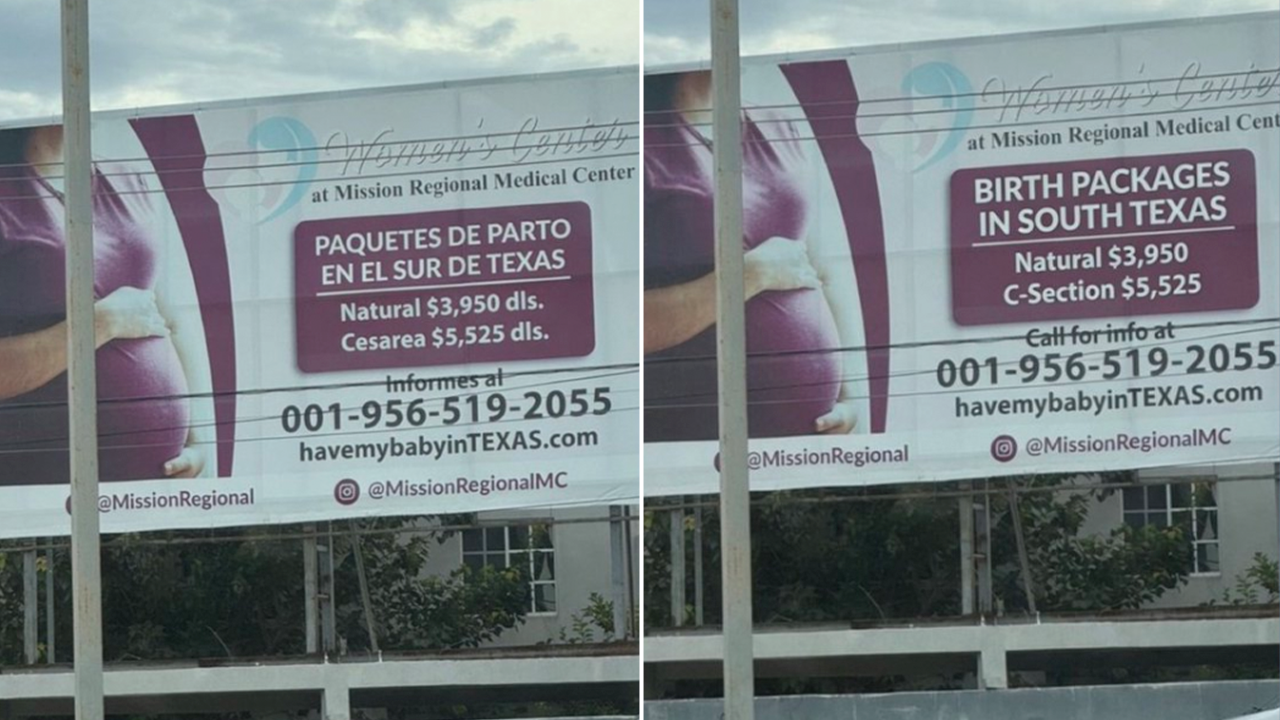
A marketing campaign near the U.S.-Mexico border has ignited a fiery debate after a Texas hospital was caught advertising specialized birthing packages to pregnant foreign nationals. Mission Regional Medical Center, based in South Texas, confirmed it was behind billboards in Mexico promoting deliveries starting at $3,950 for vaginal births and $5,525 for Caesarean sections. The advertisements directed interested mothers to a website, “havemybabyinTEXAS.com,” and prominently displayed an international dialing code for calls originating from Mexico. The campaign, which reportedly began in 2021, has drawn fierce backlash from conservative leaders and watchdog groups who argue that such promotions encourage “birth tourism”—the practice of traveling to the United States to give birth so the child automatically acquires American citizenship.
The fallout was swift once images of the billboards began circulating on social media, prompting the hospital to dismantle the advertisements and shut down the accompanying website. In defense of the campaign, a spokesperson for Mission Regional Medical Center stated that the marketing materials were retired due to “unintended misunderstanding,” clarifying that only two billboards were placed within five miles of a border crossing. The hospital emphasized that it complies with all state and federal regulations and does not support unlawful activity. Despite this retraction, the initiative has spotlighted how some borderline healthcare providers package and sell maternity services directly to Mexican citizens, raising difficult ethical and legal questions about the monetization of birthright citizenship.
In response to the public outcry, Texas Governor Greg Abbott took decisive action by ordering a formal investigation into the hospital’s practices. In a letter directed to the Texas Health and Human Services Commission, Abbott condemned birth tourism as an illegal practice that exploits American hospitality and undermines the integrity of citizenship. He ordered state officials to thoroughly investigate Mission Regional Medical Center for potential violations of state laws or contractual agreements. Abbott warned that any uncovered infractions would be forwarded to the Texas Attorney General for civil enforcement or to local prosecutors for criminal charges, asserting that “American citizenship is not for sale” and that Texas hospitals must not be used as magnets for foreign nationals seeking citizenship for their children.
The controversy has also re-energized conservative advocacy groups who demand more aggressive national measures to curb birth tourism. Kyle Brosnan, general counsel for the Oversight Project, warned that a recent Supreme Court ruling upholding birthright citizenship would likely open the floodgates for similar exploitative practices across the country. Conservative critics argue that citizenship should not be reduced to a transactional commodity and are calling for criminal investigations and stricter immigration enforcement. Governor Abbott has echoed these sentiments, pledging to work closely with the Texas Legislature in the upcoming session to draft new, robust state laws designed to eliminate birth tourism operations entirely within the state’s borders.
Amidst the intensifying political storm, Mission Regional Medical Center has pledged to cooperate fully with state investigators. Hospital representatives released a statement expressing their intention to work transparently with local and state officials while maintaining that their primary focus remains on delivering high-quality, safe medical care to any patient who walks through their doors. This cooperative stance, however, has done little to quiet the broader national discourse regarding the legal boundaries of birthright citizenship, which remains a highly polarized issue. Many legal analysts and immigration experts view the Texas hospital investigation as a critical battleground that could set new precedents for how states regulate healthcare marketing targeted at foreign nationals.
This latest clash over birth tourism unfolds against a backdrop of ongoing federal legal battles. Former President Donald Trump’s previous efforts to restrict automatic birthright citizenship via executive order continue to face significant challenges in the courts, keeping the issue at the forefront of national politics. As Texas takes a hardline stance against local hospitals capitalizing on international patients, the debate highlights the deep societal divide over immigration, national identity, and the responsibilities of the healthcare system. With state investigations underway and legislative reforms on the horizon, the outcome of the Mission Regional Medical Center inquiry could redefine boundary lines for medical advertising and immigration enforcement along the southern border.