



As we approach our golden years, many of us find ourselves daydreaming about settling down in a sun-drenched paradise where the ocean breeze cures all worries. For those eyeing California as their ultimate retirement destination, that dream remains highly rewarding—but it comes with a premium price tag. Realizing this vision requires more than just a map and some sunscreen; it demands a robust financial strategy. A recent national study by MoneyLion highlighted this reality by identifying 18 top retirement destinations specifically geared toward upper-middle-class households. Defined by Pew Research Center standards as those with annual incomes between $125,000 and $160,000, these spots offer a highly desirable lifestyle for seniors who have built a substantial financial cushion over their working lives.
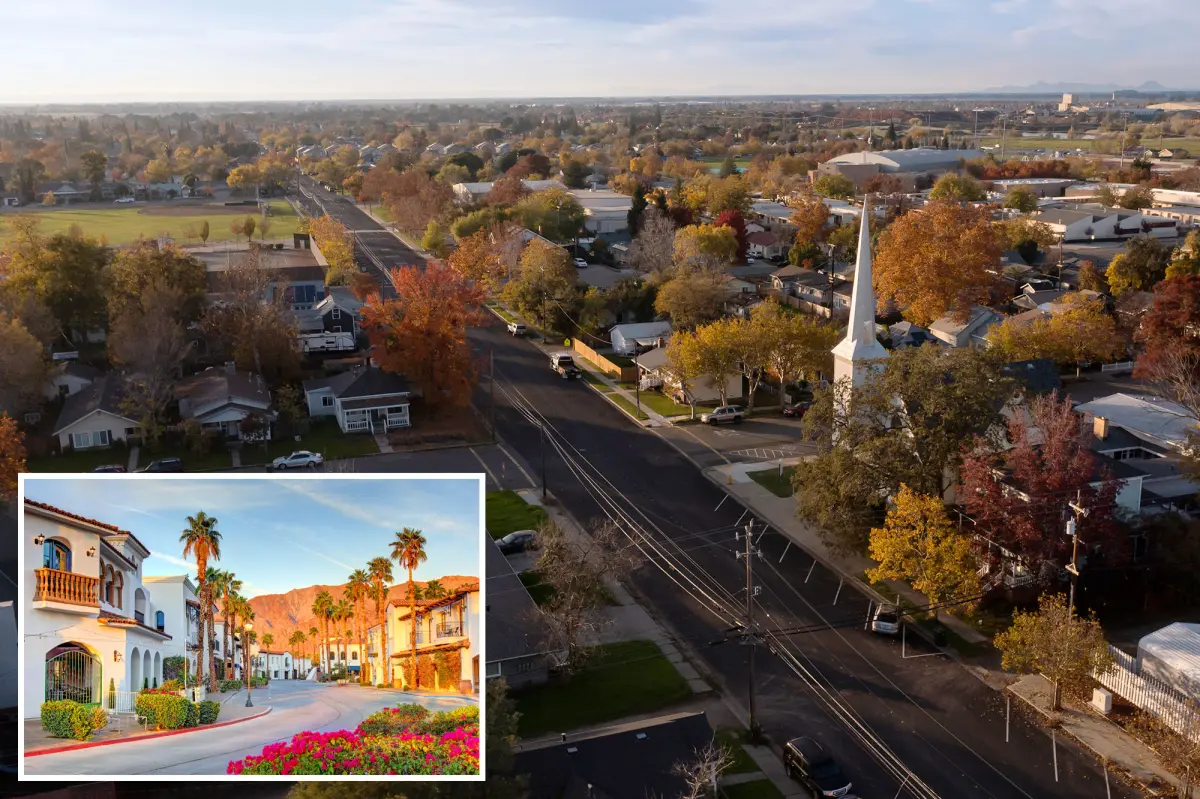
Among the nation’s elite retirement havens, California successfully claimed four coveted spots on the list. The designated cities include Lincoln in Placer County at number nine, Palm Desert in Riverside County at sixteenth, Fair Oaks in Sacramento County at seventeenth, and the scenic desert oasis of La Quinta in Riverside County rounding out the list at number eighteen. Each of these communities brings its own unique flavor of Golden State charm, offering a beautiful mix of world-class golf courses, dramatic desert vistas, easy access to lush Northern California vineyards, and serene suburban neighborhoods. For retirees who have the financial means to support it, these locations provide an unparalleled quality of life, effectively turning the daily grind of working years into a permanent, upscale vacation.
To determine which cities truly cater to this affluent demographic, the study utilized a comprehensive methodology that looked beyond average house prices. Researchers calculated livability scores, evaluated the percentage of seniors within each community—focusing on areas where at least 25% of the population is aged 65 or older—and analyzed the local cost of living. By applying the traditional 50/30/20 budgeting rule, which allocates half of one’s income to necessities, they determined that retirees in these California spots need between $65,000 and $76,000 annually just to cover basic living expenses like housing, healthcare, and groceries. When you double that to account for discretionary spending and savings, it becomes clear that living comfortably in these areas requires a steady, substantial stream of retirement income.
While California made a respectable showing, it was Florida that absolutely dominated the upper-middle-class retirement rankings. Sunshine State hot spots took the top four positions overall, with Estero, Delray Beach, Bonita Springs, and Palm City leading the pack, while Prescott, Arizona, secured the fifth spot. Florida’s dominance on the list is hardly surprising, given its retiree-friendly tax structure, abundance of master-planned senior communities, and lower overall cost of everyday goods. This contrast highlights a growing dilemma for aging Americans: while California offer stunning landscapes and unmatched cultural amenities, states like Florida and Arizona often stretch a retirement nest egg much further, making them highly competitive alternatives.
This financial tension reflects a broader, ongoing trend of outbound migration from the Golden State. In recent years, a rising number of Californians—including high-income earners and long-time residents—have actively chosen to pack up and leave. The primary drivers behind this exodus are well-documented: high state income taxes, soaring housing costs, and general quality-of-life concerns. When retirees look at their fixed incomes and realize how much further their dollars can go in states with no income tax or cheaper real estate, the decision to relocate becomes highly practical. For many, the math simply points away from California, forcing a tough choice between sentimental attachment to the coast and long-term financial security.
Yet, despite the financial hurdles and the tempting allure of cheaper states, the romantic appeal of California remains incredibly strong for a select group of seniors. For those who can comfortably afford the high cost of admission, the state’s Mediterranean climate, diverse natural beauty—ranging from coastal cliffs to tranquil oak forests—and vibrant local culture are simply irreplaceable. These retirees view the extra expense not as a burden, but as a worthwhile investment in their daily happiness and well-being. Ultimately, retiring in California is no longer a standard milestone for the average worker, but for the upper-middle class, it remains one of the most rewarding and beautiful luxury experiences money can buy.