


On Monday morning, Cuba’s fragile energy infrastructure suffered yet another catastrophic failure, plunging the entire island into a state of total darkness. The sudden collapse of the National Electric Power System left approximately 10 million residents without electricity, a crisis that has become an exhausting and deeply disruptive constant in their daily lives. In a brief statement, the state-run Electric Union announced the total disconnection of the grid, noting that the root causes of the massive failure were still under active investigation. Within hours, authorities managed to kickstart local generator “microsystems” to keep critical services running, but the sheer scale of the outage highlighted just how precarious life on the island has become, turning basic activities into survival challenges.
The human cost of this systemic collapse was felt immediately across every corner of the nation, halting the rhythm of daily life and creating dangerous medical emergencies. As the grid failed, public transportation systems ground to a halt, leaving countless workers and families stranded. More alarmingly, the lack of reliable power forced hospital administrators to cancel tens of thousands of surgeries nationwide, putting the health and lives of ordinary citizens in serious jeopardy. While engineers and utility workers scrambled to bring at least one major generating unit back online within two hours of the initial collapse, the patch-up efforts did little to soothe the anxiety of a population weary of living in the dark.
For the average Cuban, these blackouts are not mere temporary inconveniences; they are prolonged struggles that dictate whether they can cook, preserve food, or stay cool in the tropical heat. Over the last few years, the government has been forced to implement harsh, scheduled blackouts lasting more than 24 consecutive hours in some regions just to conserve dwindling reserves of fuel. This latest incident is part of a worsening pattern; a similar blackout crippled the western provinces in early March, followed by another island-wide collapse later that month. These recurring outages have slowly chipped away at the quality of life, pushing the island’s long-suffering population to the brink of physical and emotional exhaustion.
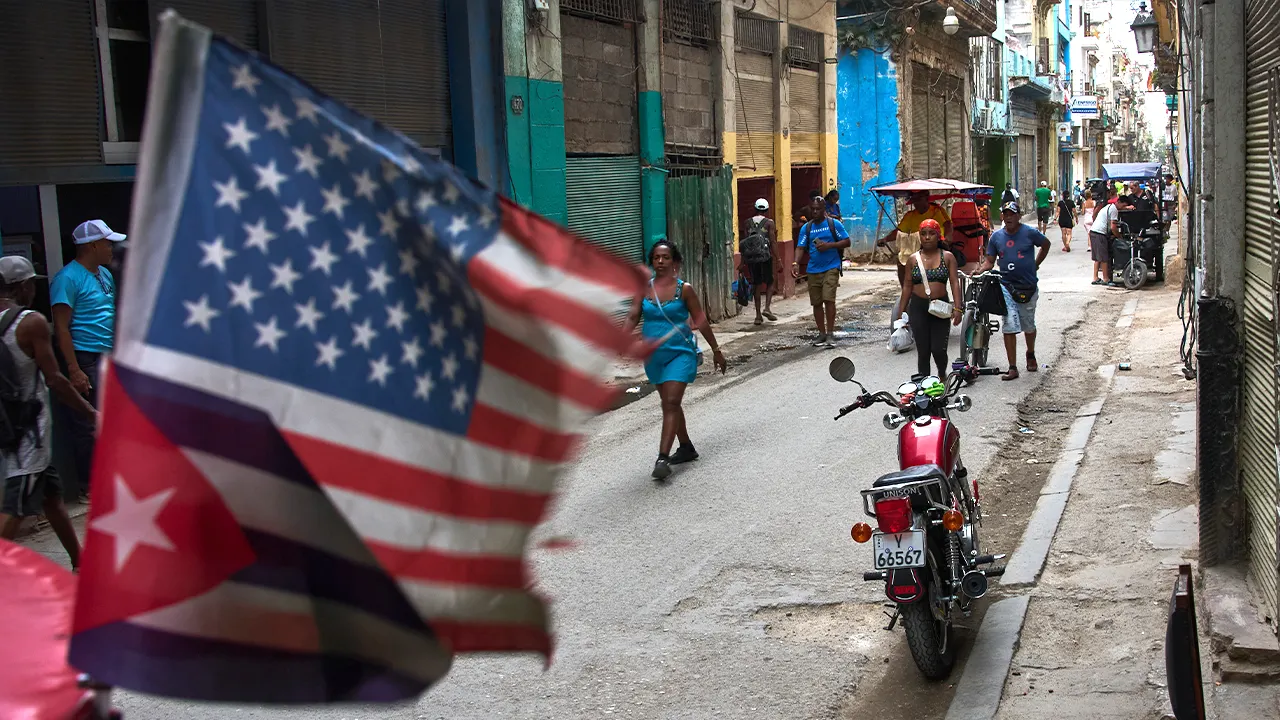
The Cuban government has pointed the finger directly at Washington, arguing that its deteriorating energy sector is the victim of aggressive American foreign policy. Cuban President Miguel Díaz-Canel publicly condemned the United States, labeling the ongoing trade restrictions as a “genocidal energy blockade” designed to intentionally suffocate the Cuban economy and spark a popular uprising. Energy Minister Vicente de la O Levy echoed this sentiment, praising the nation’s electrical workers as heroes who are performing miracles under the weight of severe financial and resource constraints. From the perspective of Cuban leadership, the island is fighting an uphill battle against an economic siege designed to deny them access to the global energy market.
This political tension has intensified under the weight of heavy economic sanctions and geopolitical disruptions. The situation grew significantly worse following the imposition of additional sanctions by President Donald Trump, who also threatened international tariffs against any nations providing oil to Cuba. Furthermore, Cuba’s energy security suffered a devastating blow earlier this year when a U.S. military operation captured Venezuelan President Nicolás Maduro, effectively halting critical Venezuelan oil exports that the island had relied on for decades. With local production covering only about 40% of its domestic fuel needs, Cuba has found itself increasingly isolated and desperate for alternative energy suppliers to keep its aging power plants running.
In the face of these severe shortages, Cuba has turned to geopolitical allies like Russia for temporary relief. A Russian “dark fleet” tanker managed to bypass restrictions and deliver approximately 730,000 barrels of oil to the island in March, but these vital supplies were entirely depleted by the end of April. While these occasional shipments offer a temporary lifeline, they are ultimately band-aids on a bleeding wound. As long as Cuba remains entangled in geopolitical conflicts and burdened by an antiquated electrical grid, its citizens will continue to bear the brunt of a system that is quite literally running on empty, waiting in the dark for a permanent solution.