

Nestled in the heart of the Gateway Cities region of Southeast Los Angeles County, the proud city of Downey is preparing to embark on a massive retail transformation along one of its busiest thoroughfares, Firestone Boulevard. This bustling suburban hub, historically famous for its contributions to the golden age of aviation and for hosting the worlds oldest operating McDonald’s restaurant, is once again at the center of a major commercial evolution. The Downey City Council recently greenlit the development of a brand-new Costco Wholesale warehouse and mega-gas station, a rozhodnutie that instantly sent ripples of excitement—and a generous dose of skepticism—throughout the local community. The official announcement came via social media from the city’s Mayor Pro Tem, Horacio Ortiz Jr., who enthusiastically shared the council’s approval on his Instagram page. In his celebratory post, Ortiz framed the multimillion-dollar development as a triumphant win for Downey’s long-term prosperity, promising that this significant capital investment would serve as a vital catalyst for local economic development. According to municipal leaders, the project is projected to generate hundreds of secure, local jobs, channel lucrative tax revenues back into essential city services like public safety and infrastructure maintenance, and ultimately reinforce the financial foundation of the community for decades to come. However, as is often the case with suburban development in densely populated Southern California, the promise of corporate-led economic rejuvenation was met with an immediate, highly passionate pushback from the very residents the city council represents.
Almost as soon as the Mayor Pro Tem’s post went live, his comments section transformed into a virtual town square, showcasing the deep-seated divisions that occur when corporate expansions push into established neighborhoods. To many internet-savvy constituents, the prospect of welcoming another massive warehouse club seemed entirely redundant, leading them to openly question the civic logic behind the decision. One prominent social media user, writing under the handle mustygus, voiced a sentiment shared by dozens of others: “Do y’all really need a Costco when the one at Norwalk is a 15-minute drive away?” This core frustration highlights a growing fatigue among suburban residents who feel their neighborhoods are being homogenized by repetitive retail giants rather than enriched by diverse, unique businesses. Another local resident, posting as roots_rock_mcbay, echoed this sentiment by pointing out that unless the existing Norwalk location was quietly planning to close its doors for good, building an entirely new branch so close by felt like an unnecessary waste of valuable city space. Many residents lamented the lack of culinary and shopping variety in their neighborhood, arguing that the city was missing an opportunity to attract different types of commercial assets. This desire was perfectly captured by user hijodefede, who chimed in with a direct plea that resonated with many local foodies: “We want a Trader Joe’s, not another Costco.” This simple request represents a deeper, human craving for intimate, neighborhood-focused grocery stores rather than the cavernous, industrial scales of bulk wholesale warehouses.
Yet, despite the vocal criticisms of those pleading for specialty grocery stores and less traffic, a highly vocal faction of Downey residents stepped forward to defend the new project, viewing it through the lens of pure convenience and daily survival. For these supporters, the debate was not about municipal aesthetics or retail variety, but rather about escaping the grueling, anxiety-inducing reality of navigating the region’s current shopping infrastructure. To anyone who has ever tried to buy groceries in bulk on a chaotic Saturday afternoon in Southern California, the layout of a parking lot is not a minor detail—it is a critical factor in one’s sanity. Supporters quickly pointed out that the nearby Norwalk Costco has become an absolute nightmare to visit ever since its parking lot underwent a highly controversial renovation. An Instagram user posting under the name stopreadingthis___ vehemently dismissed the complaints of those worrying about geographic proximity, typing, “Everyone crying about the Norwalk one being ’15’ mins clearly doesn’t go to the Norwalk one—parking is horrendous there.” Another frequent shopper, using the moniker your_lender_ricardo, agreed entirely, sharing his habit of driving even further out of his way to the Lakewood branch just to preserve his peace of mind. For these battle-weary consumers, the promise of a brand-new, modern, and hopefully spacious parking lot and gas station in Downey is not a redundant luxury, but a highly anticipated relief from the high-stress environments of surrounding regional locations.
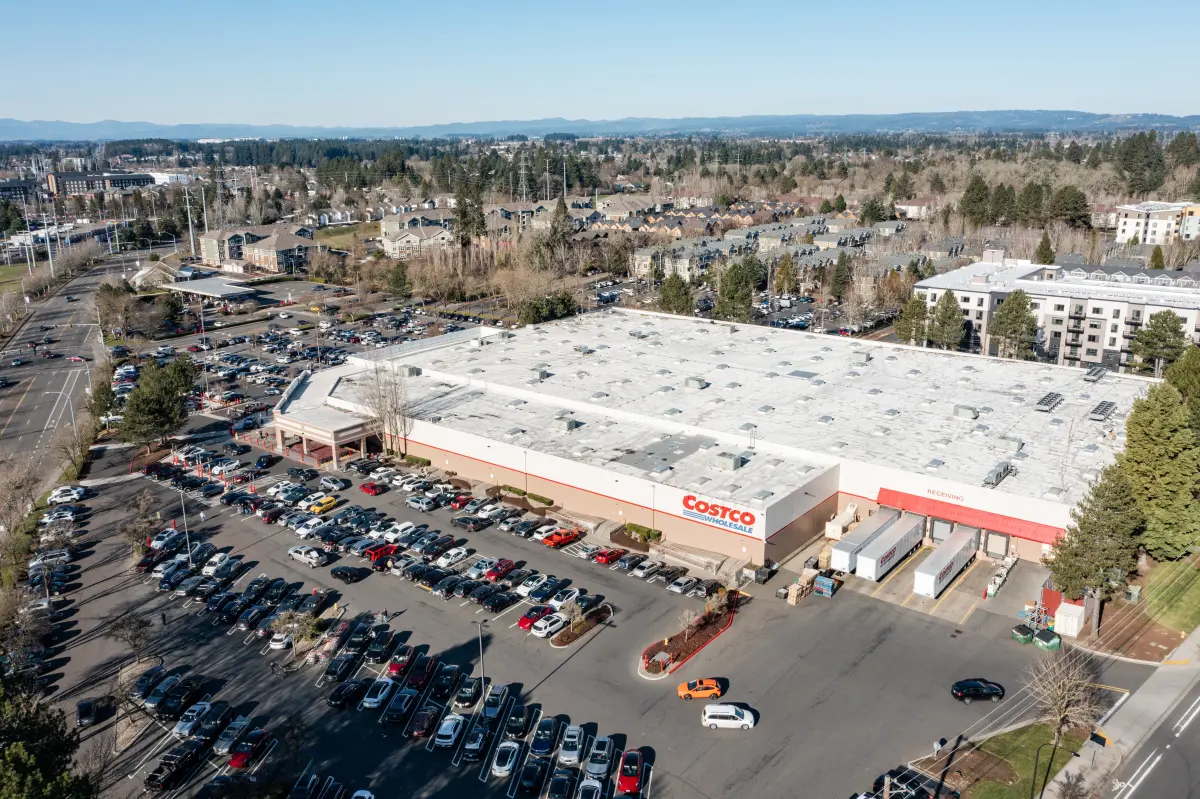
Behind the passionate social media debates lies an incredibly intricate, multi-party land-use puzzle that requires delicate coordination and a massive, $10.5 million public-private funding agreement. According to local financial reports, executing this ambitious plan is a complex, two-step real estate ballet involving four major entities: Costco Wholesale Corp., Downey Nissan, Andrews Rancho del Norte, and Andrews Rancho del Sur. The first phase of this municipal chess game requires the relocation of the existing Downey Nissan dealership farther down Firestone Boulevard to a new parcel of land currently owned by Andrews Rancho del Sur. Once the car dealership is successfully moved to its new home, developers can begin the second phase of the plan: consolidating the old Nissan property with an adjacent, vacant lot to form a cohesive, 13.59-acre development site. This vacant parcel is deeply nostalgic for longtime Downey residents, as it was once the home of the legendary All American Home Center, a beloved, independent hardware megastore that served the community for decades before closing its doors and leaving behind a quiet concrete void. By merging this historic, empty footprint with the vacated Nissan lot—both of which are owned by Andrews Rancho del Norte—the city will create a sprawling canvas large enough to support the massive footprint of a modern Costco warehouse and its accompanying high-volume gas station.
Despite the official city council approval and the high-profile real estate agreements already in place, eager local shoppers should not expect to purchase bulk goods or cheap gasoline on Firestone Boulevard anytime soon. The journey from a conceptual city council vote to a grand opening ribbon-cutting ceremony in California is notoriously slow, heavily regulated, and fraught with administrative hurdles. The first major obstacle on this long path is navigating the rigorous California Environmental Quality Act (CEQA) and the municipal entitlement process, a detailed environmental review phase that city officials estimate will take anywhere from ten to twelve months to complete. These laws ensure that the massive influx of traffic, noise, and environmental emissions associated with a brand-new Costco gas station will not severely degrade the quality of life for surrounding neighborhoods. Once the environmental studies are cleared and building permits are officially secured, the construction phase must proceed in a strict, sequential order. Workers must first build and complete the new Downey Nissan facility, a project slated to take an entire year on its own. Only after the dealership has fully relocated to its new site can demolition and construction crews finally begin work on the actual 13.59-acre Costco warehouse, which is projected to take yet another twelve months of intensive heavy labor.
This multi-year developmental timeline means that the passion, frustration, and anticipation currently buzzing online will have plenty of time to simmer as the physical site slowly evolves. Ultimately, the story of Downey’s upcoming Costco is about much more than just cheap hot dogs, bulk paper towels, or municipal tax bases; it is a vivid reflection of the evolving identity of the Southern California suburbs. It highlights the constant, delicate balancing act that local governments must perform as they try to keep their municipal budgets solvent through lucrative sales tax agreements, while simultaneously addressing the everyday, human concerns of the citizens who live, drive, and shop in these spaces. Whether local residents view the incoming retail giant as a welcome relief to their weekend errands or as an unnecessary, traffic-inducing corporate sprawl, the project represents a major chapter in Downey’s modern history. As the old foundations of the All American Home Center are finally cleared away to make room for industrial-strength concrete and gas pumps, the city continues to walk the fine line between celebrating its nostalgic, community-oriented past and building the tax-generating, high-convenience infrastructure required to sustain its future.