


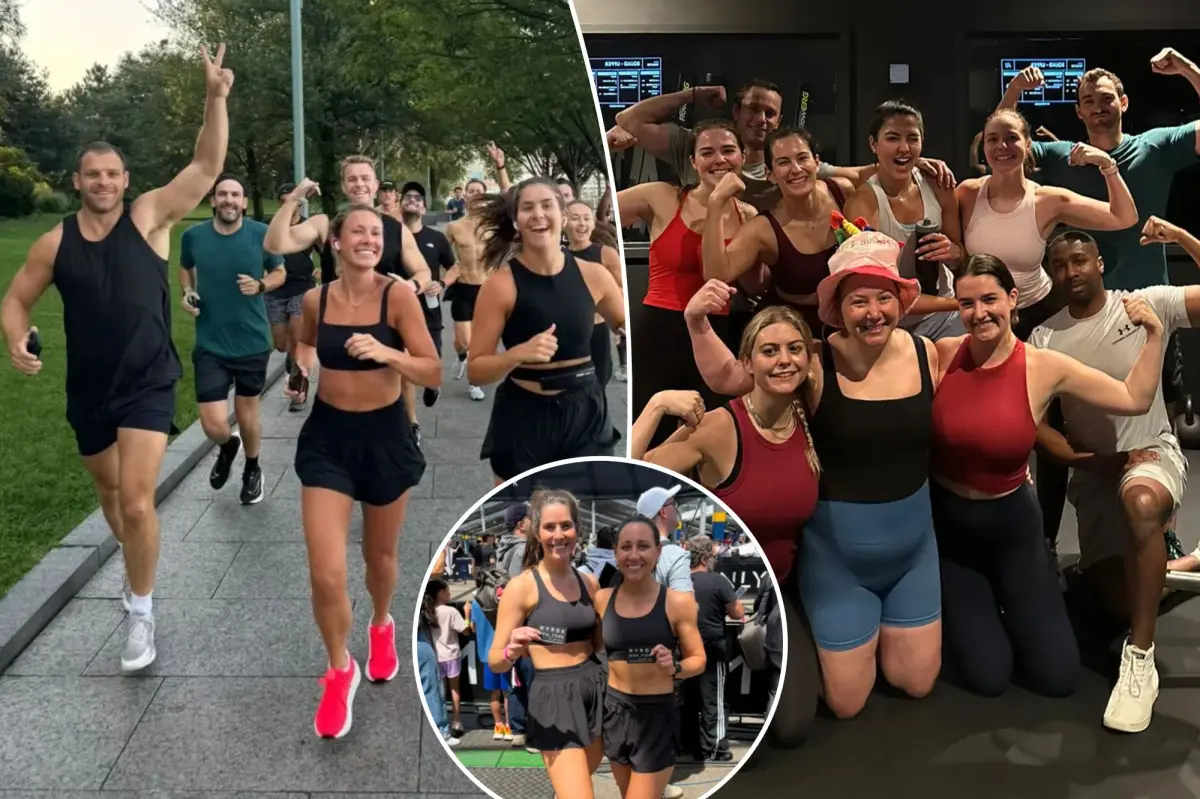
Moving to a major metropolis like New York City often promises a life of endless excitement, but for many newcomers, it initially delivers a profound and unexpected sense of isolation. When Marissa Hart relocated to the city, she found herself navigating the paradox of being surrounded by millions of people yet struggling to establish a meaningful sense of belonging. Yearning to break into the local group fitness scene but finding only transactional, cold classes where participants rarely made eye contact, her trajectory changed on a bright August morning in 2020. Standing near the West Side Highway, she watched a synchronized pack of runners sporting matching “West Village Athletics” t-shirts glide past, radiating an undeniable warmth and collective energy. Intrigued, she reached out on social media and was warmly invited to join them for a run that concluded at a local neighborhood café. Although she initially planned to slip away immediately after the workout to return to her safe zone, she chose to stay for coffee, a simple decision that ultimately transformed her relationship with the city. Today, six years, three name changes, and countless shared milestones later, the thirty-four-year-old Uber Eats account executive remains a cornerstone of the community now known as Club Athletic, crediting this unique fitness ecosystem as the primary reason she chose to call Manhattan home rather than fleeing to Los Angeles.
The magic behind this enduring loyalty lies in Club Athletic’s rejection of the standard commercial gym model in favor of a deeply intentional, “squad-based” approach to physical conditioning. In a traditional fitness landscape dominated by drop-in classes filled with rotating strangers, Club Athletic fosters consistency by organizing its members into fixed, twenty-person cohorts who train together under the guidance of the exact same coach at the same designated times every single week. This structure replaces the intimidating anonymity of the modern gym with a reliable social sanctuary, offering top-tier cardiovascular and strength workouts along with a built-in family of like-minded peers. Founder Dane McCarthy established this model on the foundational belief that everyone deserves a structured “squad” to support them through the triumphs and trials of life. By shifting the objective of a workout from an isolated chore to a shared social ritual, the brand has successfully bridged the gap between physical health and social wellness. For members like Hart, what began as a desire to build physical strength evolved into an indispensable emotional anchor, proving that when people feel seen and valued by those sweat-testing alongside them, their commitment to their fitness journey becomes almost unbreakable.
This emphasis on group dynamics is backed by compelling research addressing the chronic consistency crisis plaguing adult physical fitness. Across the United States, less than twenty-five percent of adults manage to meet the federal guidelines for weekly aerobic and muscle-strengthening activities, and while millions enthusiastically purchase gym memberships each January, only a tiny fraction maintain their routines beyond a few months. Research indicates that the missing variable for most struggling fitness enthusiasts is social support, with studies showing that eighty-four percent of group fitness participants remain active after six months compared to a dismal sixty-three percent of those exercising alone. For Kaise White, a thirty-four-year-old software engineer living in Brooklyn, the lack of accountability in standard fitness environments made it incredibly easy to skip morning sessions when he knew his absence would go completely unnoticed. The squad-based model resolved this cognitive friction by introducing positive peer pressure; when White joined his dedicated squad for intense, fifty-five-minute strength and conditioning sessions at seven o’clock in the morning twice a week, he realized he was no longer just showing up for himself, but for the nineteen other people expecting him to lock eyes with them across the weights.
At a price point of two hundred and ninety-five dollars per month, a Club Athletic membership represents a holistic investment in lifestyle design rather than a simple fee for facility access. The comprehensive package is designed to remove the friction of fitness planning by incorporating structured strength training, mobility sessions, sculpt classes, Pilates, and guided community runs into a single, cohesive schedule. Furthermore, the membership elevates the standard group fitness experience by integrating structured personal training elements, including regular progress check-ins where dedicated coaches meticulously track athletic performance over time. This high level of individual attention within a team framework allows coaches to push members past their self-imposed physical limitations because they possess an intimate, ongoing understanding of each participant’s distinct athletic history, strengths, and long-term aspirations. By prioritizing deep, sustained relationships over transactional class bookings, the brand ensures its training floor is filled not with disconnected strangers staring blankly at mirrors, but with collaborative teams striving collectively toward personal excellence.
The profound impact of this athletic camaraderie is vividly illustrated by the extraordinary physical boundaries Marissa Hart has shattered since joining her cohort. Supported by the unwavering encouragement of her squad, she transitioned from a casual runner to a high-performance athlete, successfully completing three grueling Hyrox competitions—an intensive physical challenge combining eight kilometers of running with functional workout stations—and training for a full marathon that she previously assumed was entirely beyond her capabilities. This journey was made possible because she was never training in isolation; she conquered the early morning miles and grueling strength sessions alongside four core squad members who have remained by her side for six years. The deep-rooted trust forged through years of shared physical exertion inevitably spilled over into her personal life, culminating in a beautiful milestone where Hart is set to stand as a bridesmaid in one of her training partner’s upcoming weddings. Similarly, Kaise White highlights this psychological safety net as the ultimate driver of his consistency, emphasizing that knowing his training partners actively care about his presence transforms the daily workout from a solitary physical chore into a shared act of devotion.
Having perfected this potent blend of sweat, science, and social connection in the crowded landscape of New York, Club Athletic is now embarking on a major national expansion designed to combat the epidemic of urban loneliness across America. Boasting a passionate base of over two thousand dedicated members across the tri-state area, the brand is launching its first footprint outside of New York this month with the opening of two highly anticipated clubs in Chicago, with plans to introduce its community-first methodology to several more major cities by 2027. Dane McCarthy envisions this national rollout as a vital crusade to restore social cohesion to a fragmented society, bringing a profound sense of local belonging to thousands of individuals seeking both physical vitality and authentic relationships. As the brand expands its reach across the country, it serves as a powerful reminder that our most meaningful fitness breakthroughs rarely happen in isolation; rather, they are realized when we join hands with a dedicated squad, discovering that the ultimate secret to staying healthy is simply finding a community worth showing up for.