



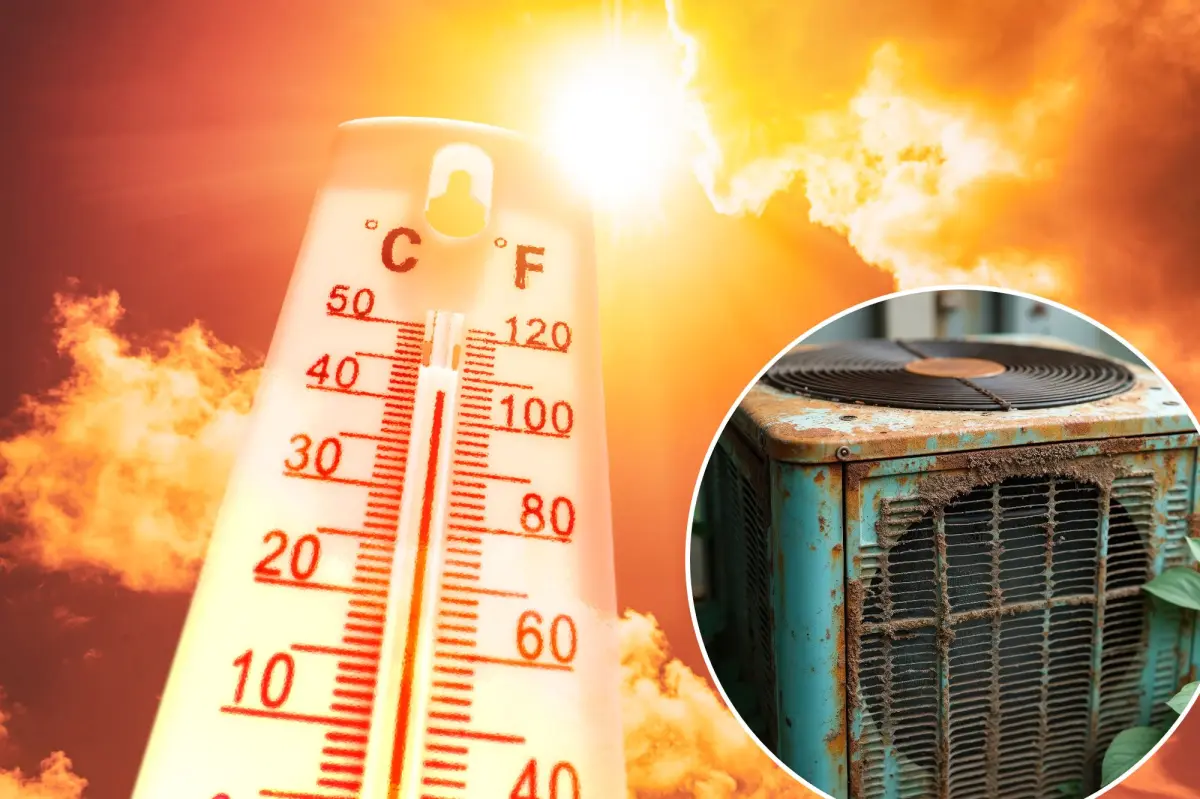
Few domestic occurrences evoke the same sudden, stomach-churning panic as realizing your air conditioning unit has quietly passed away in the dead of a brutal, triple-digit summer weekend. One minute your living room is a cool, welcoming sanctuary from the oppressive world outside, and the next, you notice the air growing heavy, sticky, and suspiciously quiet, prompting you to check the registers with a sinking feeling of dread. According to home services giant American Residential Services (ARS), this is a distressingly common nightmare that routinely peaks on hot weekends, leaving countless homeowners vying simultaneously for the attention of a limited pool of on-call technicians who are actively trying to manage a surge of emergency situations. When outdoor temperatures climb past 100 degrees, functional indoor climate control ceases to be a mere modern convenience and immediately transitions into a critical matter of physical safety and survival. For vulnerable individuals—including elderly relatives, young children, pregnant women, and anyone managing chronic health conditions like respiratory illnesses or heart disease—sleeping in a stifling, unventilated home is not just uncomfortable; it can quickly escalate into a life-threatening medical emergency. Therefore, before you even pick up the phone to call a contractor or stress over potential repair costs, your absolute first obligation must be to evaluate the safety of your living environment. If the indoor thermometer begins to creep upward toward dangerous thresholds, or if your family members show signs of heat exhaustion such as lethargy, nausea, dizziness, high heart rates, or heavy sweating, do not wait for things to improve. Pack up your household and pets and seek immediate refuge in public, air-conditioned spaces like libraries, shopping centers, movie theaters, or a neighbor’s home. Taking a temporary break from the suffocating heat protects your family’s physical well-being and gives you the psychological clarity needed to address your mechanical troubles objectively, rather than making expensive, frantic decisions under the influence of panic and physical distress.
Once you have established that everyone in your home is safe, it is highly beneficial to perform a series of basic diagnostic checks before assuming your entire system has suffered a catastrophic, budget-busting failure. Often, seemingly terminal malfunctions are caused by incredibly simple, easily remedied issues that do not require an expensive emergency house call. Start your investigation at the thermostat; ensure it is set firmly to “cool,” that the target temperature is programmed below the ambient room temperature, and, if your device is battery-operated, swap out the old batteries for fresh ones, as a dying display can easily mimic a dead system. Modern smart thermostats may also display specific error codes that you can quickly search online to narrow down the problem before the technician arrives. Next, make your way to the home’s main electrical panel to inspect the circuit breakers; look for a tripped breaker associated with your indoor or outdoor HVAC units, and if you find one, feel free to reset once. However, do not repeatedly flip the switch if it immediately trips again, as this is a clear warning sign of a serious electrical short circuit or compressor strain that demands professional intervention. After checking the power, turn your attention to your air filter, as a severely clogged, dust-caked filter will choke off airflow, causing the system to overwork, overheat, or even physically freeze up with ice. While some high-efficiency filters promise to trap microscopic allergens, they can also restrict airflow too much if they are not changed regularly, suffocating your system under peak conditions. Finally, take a quick walk around your property to inspect the outdoor condenser unit to ensure it is free from overgrown brush, leaves, or lawn debris that could block crucial airflow, and check the condensation drain line for signs of blockages. By systematically ruling out these fundamental, low-cost pain points, you might save yourself an embarrassing and costly service call for a system that simply needed a new ten-dollar filter or a fresh set of AA batteries.
If these initial checks yield no results and you find yourself waiting hours or even days for an HVAC technician to arrive, your immediate objective shifts to active heat mitigation to slow the warming of your home. The principal rule of survival in an uncooled home is to treat your house like a fortress and block out any external heat sources, with your first line of defense being your windows. Keep all blinds, curtains, and shades tightly drawn, and if you possess heavy blackout curtains, ensure they are fully deployed, as solar radiation pouring through glass panes is one of the most significant contributors to rising indoor temperatures. This prevents your floors, walls, and furniture from acting as thermal batteries that absorb and slowly radiate heat into your living spaces long after the sun has set. Resist the temptation to swing the windows open during the peak heat of the day, as doing so will merely invite the scorching, humid outdoor air inside to replace the lingering pockets of cooler indoor air. Only when the sun sets and the outdoor air drops significantly below the indoor temperature should you consider opening windows on opposite sides of the house to create cross-ventilation. Furthermore, use your ceiling and portable fans strategically, remembering that while fans are highly effective at moving air across wet skin to create a cooling chill effect, they do not actually lower the thermostat temperature of a room. Never leave fans spinning in empty rooms, as this simply wastes electricity; instead, position box fans in open windows at night to blow hot air out or draw cooler air in. Finally, eliminate internal heat generation by banishing the use of the stove, oven, clothes dryer, and dishwasher, opting instead for microwave meals, outdoor grilling, and lukewarm showers, and keep unnecessary lights turned off, as even modern light bulbs and running electronics can emit a surprising amount of ambient heat.
Managing the unbearable warmth is hard enough, but high indoor humidity can make an already hot house feel exponentially more miserable and sticky, while silently threatening the physical structure of your home. As HVAC experts point out, a primary, often overlooked function of a healthy air conditioner is to act as a powerful dehumidifier, removing moisture from the air as a natural byproduct of the cooling cycle. When your AC dies, this moisture control ceases completely, allowing humidity to quickly saturate your sofas, carpets, drywall, and wooden fixtures, potentially inviting mold growth and musty odors. If your system is actively struggling—manifested by constant short-cycling, clicking, buzzing, or repeatedly tripping the circuit breaker—do not attempt to force it to run, as this will backfire and cause permanent, expensive damage. One of the single most common culprits behind a sudden AC failure during a heatwave is a blown capacitor, a small, inexpensive electrical component that acts as a temporary battery to start the motors, which is highly sensitive to extreme heat and prolonged usage. Pushing a system with a dead capacitor or a failing motor will quickly burn out the expensive compressor, turning a simple, routine component swap into a catastrophic, multi-thousand-dollar replacement. Additionally, high indoor moisture levels can cause condensate lines to choke with algae, resulting in major overflows that can flood your attic or basement if the safety emergency float switch fails to trip. If you notice emergency signs such as a distinct burning electrical odor, screeching noises, or water rapidly pooling around your indoor furnace unit, shut the system down completely at the breaker box and call for professional assistance. When the technician does arrive, preserve your leverage as a consumer by asking pointed questions about what exactly failed, whether the proposed fix is a temporary band-aid or a long-term solution, if your existing equipment is still under active manufacturer warranty, and if the repairs are safe to perform.
If the technician delivers the grim news that your system cannot be resurrected, or that the repair bill will be astronomical, you will find yourself at a major financial crossroads: choosing between a complex repair or a total system replacement. As a general rule of thumb used by industry professionals, if a repair quote exceeds 50% of the cost of a brand-new unit and your existing system is more than ten years old, a complete replacement is almost always the more economically sound decision over the long term. A full residential heating and cooling replacement is a premier home renovation expense, typically ranging from $12,000 to $16,000 depending on your geography, the scale of your home, and the efficiency rating of the equipment. Because of the sheer magnitude of this investment, it is paramount that you do not panic-buy a new system in a desperate bid to get the cold air flowing again. Insist that any contractor who proposes a replacement performs a comprehensive, official “heat-load calculation” rather than merely guessing the size based on your home’s square footage. An oversized unit will cool the home too quickly without dehumidifying it, leaving you with a damp, clammy interior, while an undersized unit will run continuously, driving your utility bills through the roof and wearing itself out prematurely. Furthermore, never ignore the vital role that your ductwork plays in the overall equation; leaky, dirty, or poorly designed ducts can rob you of up to 40% of your system’s efficiency. With professional ductwork repairs or replacements costing between $2,800 and $4,000, ensure your contractor thoroughly inspects the hidden channels behind your walls and explicitly details whether duct modifications, electrical upgrades, and local building permits are included in your quote.
Successfully navigating an unexpected air conditioning crisis during a summer heatwave ultimately requires a careful balance of level-headed decision-making, strict safety precautions, and sharp consumer advocacy. While the physical misery of a hot house can tempt you to sign any contract or pay any price just to hear the reassuring hum of cooling fans, slowing down to weigh your options will protect you from a lifetime of buyer’s remorse. Protect your household by prioritizing physical health above all else, keeping a watchful eye on your pets and vulnerable loved ones, and utilizing passive cooling strategies while you wait for a reputable technician. Moving forward, the most effective defense against future summer emergencies is consistent, proactive preventative care, which includes scheduling professional, biannual HVAC tunings in the spring and fall to catch weak capacitors, dirty coils, or refrigerant leaks before they turn into full-blown failures. Additionally, replacing your air filters every one to three months, keeping your outdoor unit free of debris, and monitoring your system for subtle changes in noise or airflow will keep your equipment running smoothly during peak loads. Building a long-term relationship with a trusted local home service provider and checking user reviews ahead of time will prevent you from having to choose a contractor randomly during a stressful crisis. By educating yourself on the basic mechanics of your home heating and cooling, mastering simple troubleshooting tricks, and understanding the financial parameters of repair versus replacement, you can approach the next high-heat season with total confidence, secure in the knowledge that you can handle whatever challenges the thermometer throws your way.