

The Institutional Vault: How Bitmine Immersion Technologies Is Quietly Cornering the Ethereum Market Amid a Broader Crypto Sell-off
A Bold Contrarian Play in a Chilled Market
The persistent chill enveloping the global digital asset markets has done little to freeze the ambitions of the industry’s most aggressive institutional players. In a striking demonstration of corporate conviction, Bitmine Immersion Technologies (ticker: BMNR) has once again expanded its massive cryptocurrency reserves, cementing its status as the world’s preeminent corporate Ethereum treasury. Despite a challenging macroeconomic environment and a stubborn downtrend that has pushed ether ($ETH) prices down to the $1,580 threshold, the balance-sheet pioneer executed a purchase of 27,084 ETH last week. Strategically valued at approximately $43 million, this acquisition signals a defiant, contrarian stance during a period when much of Wall Street is retreating to cash or traditional low-yield instruments. Rather than capitulating to short-term market anxieties, BMNR is treating this period of asset depreciation as a historic window of opportunity, methodically absorbing supply while smaller retail participants and leveraged funds are forced to liquidate threat-exposed portfolios. This calculated accumulation is representative of a broader, structural evolution in corporate treasury management—one that treats decentralized smart-contract protocols as the foundational infrastructure of future financial systems rather than merely speculative trading vehicles.
+————————————————————-+
| BITMINE IMMERSION TECHNOLOGIES |
| PORTFOLIO BREAKDOWN |
+—————————————–+——————-+
| Asset Class | Value / Holdings |
+—————————————–+——————-+
| Ethereum (ETH) Reserves | 5.7 Million ETH |
| Estimated ETH Market Value | $8.9 Billion |
| Estimated Share of Circulating Supply | ~4.7% |
| Target Circulating Supply Share | 5.0% |
| Bitcoin (BTC) Reserves | 206 BTC |
| Cash & Liquid Marketable Securities | $555 Million |
| Strategic Corporate Equity Holdings | Beast Industries |
| | Eightco Holdings |
| Total Combined Portfolio Valuation | $9.8 Billion |
+—————————————–+——————-+
Unpacking the Billions: Inside Bitmine’s $9.8 Billion Balance Sheet
According to a comprehensive company update released early Monday, this latest acquisition pushes Bitmine’s total digital cache to an astronomical 5.7 million ETH. Valued at roughly $8.9 billion in today’s market, this staggering reserve represent approximately 4.7% of the entire circulating supply of Ethereum, bringing the firm within striking distance of its stated long-term objective of controlling a full 5% of the network. This level of institutional concentration is virtually unprecedented in the young history of decentralized finance, effectively positioning Bitmine as a critical systemic stakeholder in the security and validation operations of the Ethereum blockchain. Yet, BMNR’s financial sheet is far from a single-asset exposure gamble. The company’s diversified $9.8 billion war chest also includes a strategic reserve of 206 bitcoin, a robust buffer of $555 million in traditional cash and highly liquid marketable securities, and key minority stakes in innovative ventures like Beast Industries and Eightco Holdings. By constructing such a multifaceted balance sheet, Bitmine has designed a financial fortress capable of enduring protracted market downturns while maintaining the necessary liquidity to act decisively when distressed digital assets become available at steep cyclical discounts.
Tactical Moderation: Pacing Purchases in a High-Volatility Regime
While the acquisition of 27,084 ETH would be a landmark transaction for almost any other corporate entity on Earth, a closer look at Bitmine’s transacting history reveals a deliberate, tactical slowing of its accumulation engine. The mid-month acquisition represents the company’s smallest weekly purchase since early May—a notable decline from the 52,203 ETH acquired the previous week, and a sharp deceleration from the massive 126,971 ETH block secured earlier in the month. Rather than reflecting a loss of institutional confidence, market analysts interpret this deceleration as a defensive masterclass in capital preservation and liquidity management. By pacing its buy orders rather than deploying its cash reserves in a single, unhedged wave, Bitmine is executing a highly sophisticated dollar-cost averaging strategy that protects its cash reserves against sudden, systemic liquidity shocks. This measured approach stands in stark contrast to the behavior of its industry peers, many of whom have completely shuttered their buying desks, paused capital deployment pipelines, or fallen into bankruptcy due to over-leveraged treasury models.
Bitmine Weekly ETH Acquisition Trend (May - Present)140k +——————————————————-+
| |
120k | [126,971 ETH] |
| / |
100k | / |
| / |
80k | / |
|/ |
60k | [52,203 ETH] |
| / |
40k | / * [27,084 ETH] (Current) |
| _/ _____/ |
20k +——————————————————-+
Early Month Mid Month Current Week
Navigating the Headwinds of the Crypto Downturn
The ongoing price depression that brought Ethereum down to the $1,580 mark is the product of a complex storm of macroeconomic variables, changing global monetary policies, and localized industry capitulation. Central banks across the developed world have maintained a restrictive high-interest-rate environment to combat inflation, draining the cheap liquidity that fueled the explosive asset rallies of the previous decade. This prolonged contractionary cycle has left retail investors exhausted, prompting a steady migration of capital out of risk assets and into safer yield-bearing instruments like U.S. Treasury bills. For institutions operating without deep capital reserves, the pressure to maintain short-term liquidity has triggered systematic, forced liquidations, further dragging down spot prices. It is within this vacuum of buy-side liquidity that Bitmine’s ongoing acquisition campaign is most significant. While general market consensus remains paralyzed by fears of a prolonged regulatory crackdown and persistent sideways price action, Bitmine’s leadership is operating under the assumption that these structural discounts are fleeting anomalies on a multi-decade adoption curve.
Deciphering the Mechanics of Quarter-End Portfolios
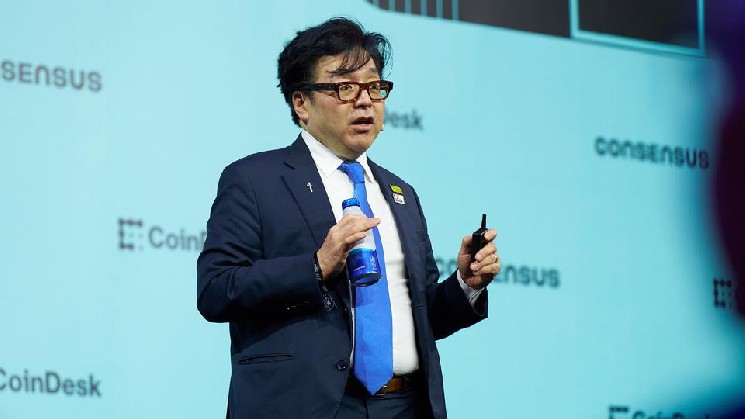
In explaining the latest bout of downward market momentum, Bitmine’s Chairman, Thomas “Tom” Lee, highlighted the technical mechanics of quarter-end portfolio rebalancing, a routine but highly influential seasonal force in modern finance. As institutional managers prepare to transition into the second half of the fiscal year, they are often legally and structurally obligated to rebalance assets, prune underperforming positions, and crystallize tax losses to optimize their balance sheets for public reporting. This process inevitably triggers programmatic, non-fundamental selling pressure across high-beta asset classes like cryptocurrencies, as fund managers trade out of volatile spot positions to lock in cash allocations or benchmark-aligned assets. Lee noted that this mechanical pruning creates artificial discrepancies between an asset’s true utility and its temporary market valuation. For long-term capital allocators like Bitmine, these seasonal anomalies represent prime entry points, allowing them to absorb large blocks of liquid Ether from forced institutional sellers without unnecessarily driving up target market prices.
QUARTER-END REBALANCING EFFECT+———————————————————+
| Institutional Portfolio Managers (Quarter-End Mandate) |
+—————————-+—————————-+
|
v
+———————————————————+
| Programmatic Selling of Underperforming Asset Classes |
+—————————-+—————————-+
|
v
+———————————————————+
| Temporary Price Deflation (ETH Spot Dragged to $1580) |
+—————————-+—————————-+
|
v
+———————————————————+
| Strategic Accumulators (Bitmine BMNR Absorb Supply) |
+———————————————————+
The Long-Term Horizon: Ethereum as the Bedrock of Corporate Reserves
Looking past the immediate horizon of quarterly rebalancing and short-term price fluctuations, Bitmine’s massive consolidation of Ethereum represents a high-stakes, structural bet on the future composition of global corporate treasuries. If Ethereum continues to solidify its role as the undisputed global ledger for tokenized real-world assets, smart contract execution, and decentralized enterprise applications, BMNR’s early, aggressive accumulation could position it as one of the most structurally significant financial entities of the digital age. By holding nearly 5% of the network’s total circulating supply, the company is not only securing a massive directional bet on the price of Ether, but also positioning itself to harvest significant proof-of-stake validation yields, transforming its balance sheet into an active, cash-generating machine. While the paths of regulation and market adoption remain highly unpredictable, the audacity of BMNR’s ongoing accumulation strategy serves as a powerful reminder that behind the curtain of retail market exhaustion, the institutionalization of the digital asset economy is proceeding with quiet, deliberate momentum.