


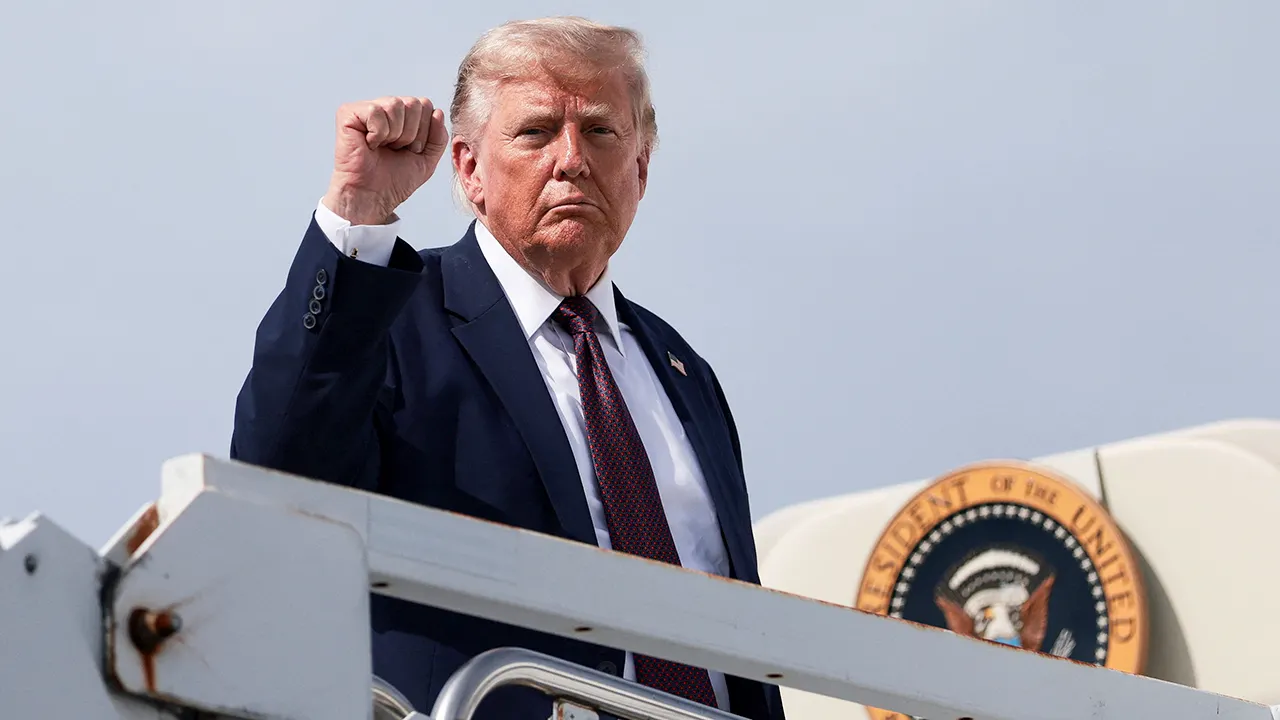
As the early dawn light breaks across the horizon, bringing with it the familiar hum of a new day, the latest update from Fox News First invites us to step back and examine the multifaceted, deeply human stories shaping our world today. We begin in the high-stakes arena of global security and national defense, where the delicate balance of international power is constantly being tested by escalating hostilities. Recently, the global community was jolted by a hostile Iranian drone strike targeting a commercial merchant ship on the high seas, an act of aggression that prompted former President Donald Trump to assertively project American military strength as a necessary deterrent against state-sponsored terror. This tense maritime confrontation underscores the volatile environments in which our service members operate, protecting the trade routes and sovereign boundaries that keep the modern world connected. Yet, even as threat levels rise abroad, some of the most profound struggles for safety and security are happening within our own borders, close to the hearts of American families. In a striking and emotionally heavy turn of events, law enforcement successfully thwarted a potentially catastrophic assault on the White House, discovering a vast, illegally constructed arsenal. The deeply human twist in this harrowing security investigation lies in how the plot was foiled: it was not uncovered through high-tech surveillance or undercover stings, but through the courage of the suspect’s own family members, who chose the safety of the public and the rule of law over familial silence, turning in their own relative to prevent a national tragedy. Meanwhile, showing another side of American global influence, the United States military has rapidly pivoted from a posture of armed deterrence to one of profound, life-saving mercy, deploying specialized disaster response and rescue teams to Venezuela. Following a series of devastating, catastrophic earthquakes that left communities shattered and lives in ruin, this quick humanitarian intervention reminds us that, beneath the geopolitical jockeying and military posturing, the core of American foreign policy often manifests as a helping hand extended to those suffering in the wake of natural disasters.
Moving from global conflicts to domestic communities, the friction points of modern American life are increasingly playing out in our shared public squares, cultural traditions, and athletic arenas, testing our collective values of patriotism, respect, and unity. A wave of intense public backlash recently erupted in Florida after a local business parlor reportedly turned away decorated military veterans and active-duty service members, sparking a passionate, nationwide conversation regarding the gratitude and respect owed to those who wear the uniform. This localized controversy struck a raw nerve, highlighting the deep-seated expectation that those who sacrifice their personal safety for our freedoms should always find a welcome home in the communities they protect. This disruption of traditional appreciation coincides with another blow to community morale, as a state governor enacted a highly controversial, sweeping statewide ban on July Fourth fireworks, leaving residents to navigate a silent Independence Day and prompting debates over government overreach versus public hazard management. Meanwhile, the intense emotional climate of our communities has mirrored itself in the high-stakes world of professional sports, where the boundary between hard-nosed competition and personal hostility has blurred. In the WNBA, the physical and psychological toll of a historic season reached a boiling point when the league suspended superstar Alyssa Thomas for a reckless, throat-high hit on the highly celebrated rookie sensation Caitlin Clark, igniting fierce debates among fans and analysts about the intense pressure, physical targeting, and underlying rivalries currently defining the sport. This domestic disappointment in sports found its international counterpart on the soccer pitch, where a passionate Team USA suffered a heartbreaking, last-second defeat at the World Cup, as a relentless Turkish squad spoiled the American group stage advancement with a dramatic, final-moment goal that left fans and players alike grappling with the agonizing margin between victory and defeat.
In the political arena, deep ideological divides are currently reshaping the landscape of the Democratic Party, exposing a growing, high-stakes internal civil war that threatens to permanently alter the party’s future identity and electoral viability. Moderate forces within the party are beginning to sound the alarm, led by the candid self-criticism of Democratic Senator Elissa Slotkin, who publicly criticized her own party’s messaging, cultural disconnect, and policy priorities, warning that ignoring the concerns of working-class voters could lead to devastating electoral losses. This warning comes at a critical juncture, as a rising socialist wave backed by prominent organizers like New York State Assemblyman Zohran Mamdani recently swept through highly competitive local primaries in New York, sending shockwaves through the established party hierarchy. The ascendancy of these radical progressive candidates has provoked strong reactions across the political spectrum; veteran political strategist James Carville, known for his pragmatic approach to winning national campaigns, took the extraordinary step of publicly disavowing a Mamdani-backed socialist victor, bluntly advising her and her radical allies to depart the Democratic banner altogether and form their own independent party rather than dragging the mainstream left into unpopular ideological territory. This internal fracture was further highlighted when House Democratic Leader Hakeem Jeffries found himself cornered by reporters and pressed on progressive “you’re next” chants directed at establishment figures who do not fully align with the socialist faction. Offering a conservative perspective on these internal progressive battles, prominent commentator and former Trump adviser Kellyanne Conway insisted that these socialist primary triumphs are merely localized anomalies confined to highly insular, radicalized urban enclaves, arguing they do not reflect the traditional values or political desires of the broader American electorate, which continues to favor stability and moderate economic growth.
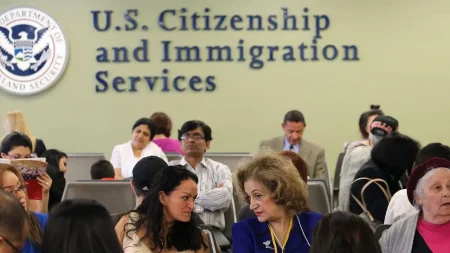
Simultaneously, the legal and constitutional framework of the country is undergoing an equally dramatic paradigm shift, as the United States Supreme Court issues a series of blockbuster rulings that have profoundly altered the national landscape on immigration and executive power. In a decision that legal scholars are dissecting for its long-term implications, the High Court handed Donald Trump and conservative border advocates a massive legal victory on enforcement policies—a ruling that prominent legal analyst Jonathan Turley argues is a legally airtight triumph that progressive commentators simply cannot spin or explain away. This decision has sent waves of outrage through progressive circles, prompting Representative Alexandria Ocasio-Cortez to swiftly lash out, accusing the Supreme Court and Donald Trump of perpetrating a direct betrayal of vulnerable working-class voters who rely on stable, humane immigration frameworks. The public reaction to these supreme decisions has been highly charged and emotionally raw, illustrated by a dramatic segment on MS NOW where a guest warned that the policy outcomes of these conservative judicial victories could ultimately lead to direct human suffering and death for thousands of Americans. Adding to this atmosphere of intense anticipation, the nation is bracing for further seismic shifts as the Supreme Court prepares to release highly anticipated rulings on birthright citizenship, a decision that could fundamentally redefine American identity and baseline legal rights for generations to come. This escalating judicial warfare demonstrates that our courtroom battles are no longer merely abstract debates over constitutional theory; they are high-stakes, deeply consequential struggles with immediate, tangible effects on the legal status, mental well-being, and daily survival of millions of individuals residing within our borders.
Beyond the halls of Congress and the chambers of the Supreme Court, the physical and structural demographics of American society are undergoing a quiet yet profound reorganization, driven by economic pressures, cultural battles over parental rights, and shifting familial structures. Financial advisor Ted Jenkin recently highlighted a major economic exodus occurring on the West Coast, detailing how California’s wealthiest residents are increasingly packing up their lives and trading the iconic but tax-heavy “Golden State” for the business-friendly, tax-advantageous environment of Nevada—a migration trend jokingly referred to as exchanging the Golden State for the Golden Nugget. This physical relocation of wealth and influence is mirrored by a deep, ideological battle over families and public education happening on the East Coast. In Virginia, the legal advocacy group America First Legal has taken decisive action by suing a prominent school district, accusing local educators of deliberately hiding students’ gender identity transitions from their own parents, a practice they argue represents a flagrant violation of parental rights and a dangerous erosion of the trust that must exist between public academic institutions and the families they serve. Even the concept of family legacy and personal independence is being rewritten on the world stage, as rumors swirl around Prince Harry’s deliberate decision to utilize the late Princess Diana’s former residence over traditional royal properties during his visits to the United Kingdom. Royal experts suggest this highly calculated choice sends a sharp, unmistakable message of independence to the Windsor family, signaling that his ultimate loyalty remains bound to his mother’s personal, transformative legacy rather than to the strict, historic constraints of the British Crown, highlighting how the search for identity and belonging remains a universal human struggle, whether on a local school board or within a royal dynasty.
Amidst these heavy debates over global security, political realignment, and changing social structures, the morning news also gently reminds us of the softer, more resilient aspects of our shared humanity—the small, comforting threads of memory, achievement, and local community that bind us together. Amidst a chaotic weekly news cycle, a beloved celebrity chef recently warmed hearts by sharing that a simple, nostalgic childhood snack remains his most powerful emotional anchor, illustrating how food and shared memories can ground us even as the world changes rapidly around us. In the realm of human achievement, athletes like Marina Mabrey are redefining standard limits, turning in a historic performance that tied the all-time WNBA scoring record with an astonishing fifty-three-point game to lead her team to victory, proving that individual dedication and athletic excellence can still unite communities in shared celebration and wonder. Furthermore, as families gather around kitchen tables to start their mornings, interactive features like the Fox News digital news quiz offer a lighthearted way for people to test their knowledge, stay engaged, and connect over the quirky, intriguing details of the week’s headlines. Ultimately, this comprehensive mosaic of news—spanning from the high-stakes decisions of supreme courts to the simple joy of a favorite childhood snack—reminds us that keeping informed is more than just tracking political shifts or global conflicts. It is a shared, deeply human morning ritual that allows us to understand the world as it is, appreciate the resilience of the people within it, and step forward into our daily lives with a sense of clarity, connection, and hope.