



For generations of Southern Californians and wide-eyed travelers arriving at Los Angeles International Airport, there has existed an unspoken initiation ritual: a direct pilgrimage to the nearest palm-tree-framed drive-thru of In-N-Out Burger. The iconic yellow arrow, the retro red-and-white tiled walls, and the comforting, uncomplicated indulgence of a Double-Double ordered “Animal Style” have long been canonized as the undisputed crown jewels of West Coast culinary heritage. Yet, the newly unveiled 2026 edition of the prestigious “World’s 101 Best Burgers” ranking has delivered a stunning, almost heretical blow to local pride, completely omitting the beloved fast-food institution from its global registry. While Los Angeles put up an incredibly formidable fight on the international stage by securing six coveted spots within the top one hundred, the total absence of In-N-Out has sparked a passionate, city-wide debate about the evolution of the burger. For decades, the simplicity of a paper-wrapped, thin-patty drive-thru burger was the gold standard of American comfort food. However, this historic snub signals that the global gastronomic paradigm has shifted dramatically toward artisanal, chef-driven concepts, leaving mass-production novelty behind in favor of culinary craftsmanship.
To understand how a modest, paper-wrapped street food evolved into a subject of such intense international scrutiny, one must look at the incredibly rigorous metrics used by the selection committee of the “World’s 101 Best Burgers.” This is not a casual round-up assembled by internet influencers; it is a highly calculated, year-long investigation evaluating everything from the molecular composition of the beef to the execution of the final sear. The judges assess the quality, origin, and ethics of the ingredients, dissecting the fat-to-lean ratio of the blend, the structural integrity of the bun under pressure, the meltability of the cheese, and the balance of acidity in the house sauces. Beyond the plate itself, the ranking incorporates holistic parameters like the overall guest experience, digital presentation authenticity, commitment to environmental sustainability, and strict adherence to hygiene protocols. Under this hyper-critical microscope, London’s famed Bleecker took home the ultimate crown as the overall best burger on Earth. By awarding the top spot to a British establishment, the ranking highlights how the humble American hamburger has transcended its cultural borders, turning into a global art form where perfection is realized through technical precision and meticulous ingredient sourcing.
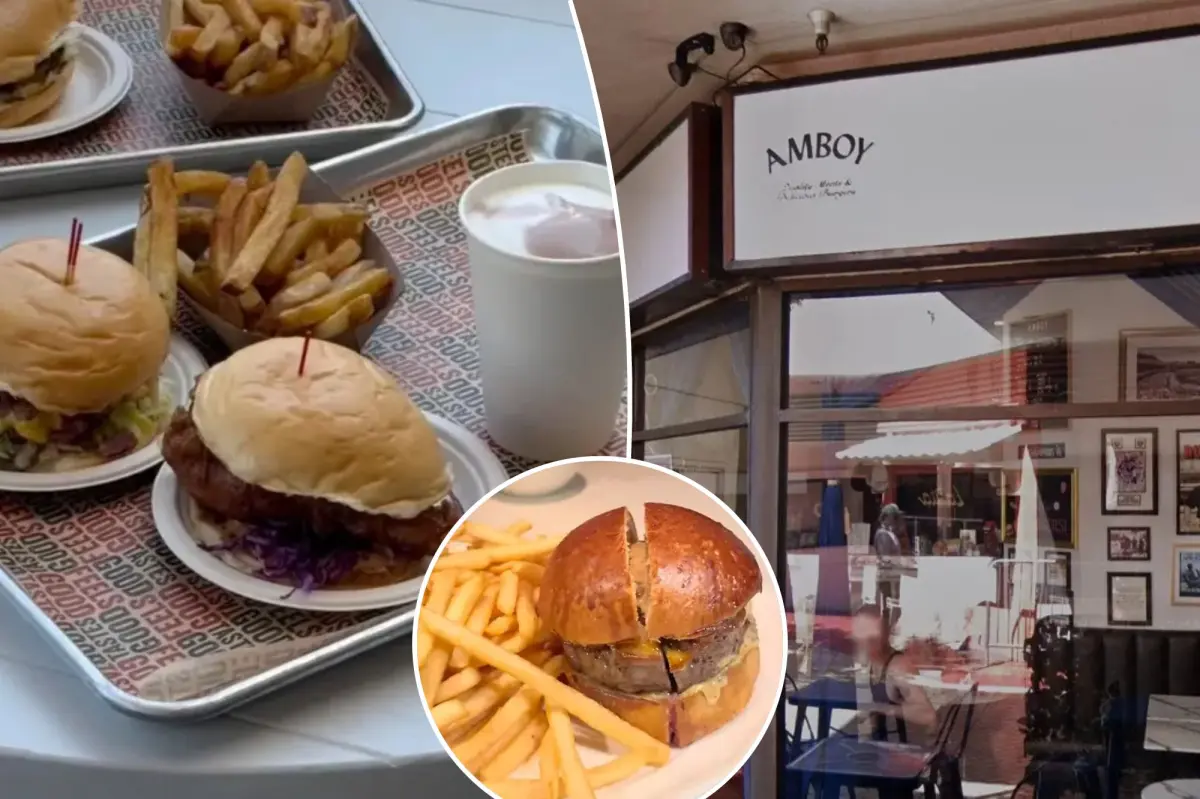
Rising above the collective grief of the drive-thru devotees, Alvin Cailan’s Chinatown masterpiece, Amboy Quality Meats & Delicious Burgers, served as a beacon of pride by securing the number nine spot globally. This achievement places Amboy near the absolute peak of the international food scene, representing one of only three dining establishments in the entire United States to break into the world’s top ten. Cailan, widely celebrated as a culinary mastermind, has spent years studying the physics of the perfect bite, treating the preparation of beef not as simple griddle-work, but as a fine art. At Amboy, the experience is defined by custom, ultra-premium beef blends that are curated with obsessive detail, specifically tailored to the precise thickness of the patty being served. Whether a diner chooses a thick, juicy, dry-aged pub-style masterpiece or a crispy, caramelized smash burger, every element is designed to maximize moisture retention, flavor depth, and textural contrast. By bridging the gap between a traditional neighborhood butcher shop and an elite culinary research laboratory, Amboy has set a monumental standard for what a contemporary Los Angeles burger can and should be.
The 2026 rankings also highlighted a fascinating, luxury-driven culinary trend currently dominating the upper echelons of the Los Angeles food scene: the unstoppable rise of the French bistro burger. Leading this indulgent movement is Camphor, a stunning Michelin-starred modern French enclave nestled in the heart of the industrial Arts District, which deservedly captured the number 15 spot with its remarkably refined, classically grounded execution. Not far behind at number 32 is Petit Trois, chef Ludo Lefebvre’s beloved Hollywood bistro, which continues to hypnotize epicureans with its legendary, decadent creation known affectionately as the “Big Mec.” These are not burgers designed to be eaten behind the wheel of a moving vehicle; they are luxurious, multi-sensory experiences that require cloth napkins and a deep appreciation for classical French sauces. Drenched in rich, velvety reductions, accented with shallots, and served on brioche buns that defy the laws of buttery lightness, these bistro creations represent a deliberate rebellion against fast-food austerity. They demonstrate how Los Angeles chefs are successfully marrying the raw, primal satisfaction of classic Americana with the sophisticated heritage of European fine dining.
The remaining entries on the list paint a vivid picture of the sheer geographical and stylistic diversity of the Los Angeles dining landscape, proving that excellence can be found in every corner of the metropolis. Snagging the number 70 spot is Hermon’s critically acclaimed “Ode to Chez Cheeseburger,” a neighborhood darling that elevates the standard cheeseburger template with a luxurious soubise onion fondue that coats the palate in rich, savory warmth. Further west in Culver City, Simonette earned its place at number 99 by presenting a gorgeous Parisian-inspired variation featuring deeply caramelized onions and a glossy, intensely concentrated bordelaise sauce. Then, sliding into the rankings at the absolute buzzer, HiHo Cheeseburger stood tall by championing clean, sustainable agriculture, using exclusively 100% grass-fed, pasture-raised wagyu beef from First Light Farms in New Zealand. These three wildly different establishments highlight how different neighborhoods in Southern California use the burger canvas to tell their own unique stories, whether through classical European techniques or an uncompromising commitment to environmental stewardship and elite animal husbandry.
Ultimately, the 2026 “World’s 101 Best Burgers” ranking serves as a beautiful, albeit bittersweet, reminder of the grand evolution of modern food culture. It signals a golden age where the global diner is no longer satisfied with the cheap, nostalgic comfort of mass-produced fast food, demanding instead traceability, structural integrity, and culinary originality. While the exclusion of In-N-Out may sting the pride of California traditionalists who grew up on cheap paper hats and secret menu items, it highlights a healthy, thriving ecosystem where passion, dedication, and culinary talent are justly rewarded. We can still cherish the drive-thru for its affordability, speed, and late-night convenience, but we must also celebrate the visionary chefs who are elevating the humble burger to heights previously reserved for fine dining. By pushing the boundaries of what a simple bun, patty, and cheese can achieve, these six Los Angeles spots have secured their places in history, proving that the city’s food culture is more vibrant, diverse, and globally influential than ever before.