


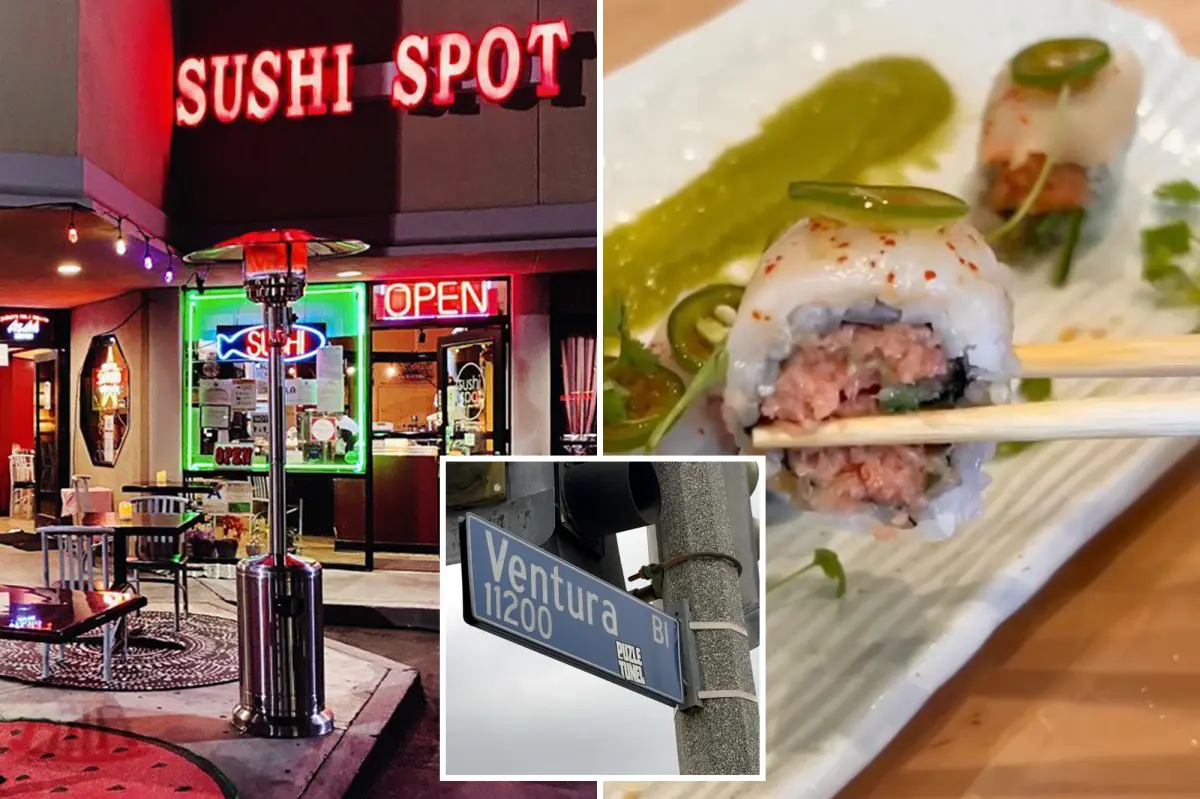
Every year on June 18, Southern California pauses to celebrate National Sushi Day, an annual culinary holiday that shines a brilliant spotlight on one of the most culturally significant stretches of asphalt in the global culinary world: Ventura Boulevard’s legendary and iconic “Sushi Row.” Stretching approximately 18 miles through the bustling heart of Studio City and cutting directly across the sprawling suburban landscape of the San Fernando Valley, this seemingly ordinary, sun-drenched corridor of asphalt serves as a living museum of dining history and post-war gastronomic revolution. Before sushi became a ubiquitous, everyday staple found in local grocery store refrigerators, office cubicles, corporate lunchrooms, and high-end shopping malls across the United States, it was largely regarded by the public as an exotic, highly niche Japanese delicacy, unfamiliar and even intimidating to the typical mid-century Western palate. This suburban thoroughfare changed everything, acting as the primary cultural catalyst that demystified raw fish and successfully transformed an ancient, highly disciplined Asian culinary tradition into a multi-billion dollar American phenomenon. To stroll down Ventura Boulevard today is to walk through the ultimate living archive of culinary history, where the sharp, clearing aroma of freshly grated wasabi and the warm, comforting scent of simmering vinegar-seasoned rice hang heavy in the evening air. The rich, multi-layered story of Sushi Row is more than just a simple tale of raw fish, toasted nori, and soy sauce; it is a profoundly human chronicle of post-war immigration, culinary adaptation, survival, and the creative collision of Eastern artistic discipline with Western consumer abundance. As headlights flicker in the warm evening dusk and iconic neon signs light up the boulevard, thousands of hungry patrons flock to this strip, eager to participate in a dining ritual that has defined the cultural character of Los Angeles for nearly half a century, bridging the gap between historical heritage and modern desire.
The true structural beauty of Sushi Row lies within its unassuming, highly democratic physical landscape, which is defined largely by the classic, stucco-clad strip malls that characterize the post-war suburban architecture of the San Fernando Valley. Far from the stuffy, velvet-roped dining rooms of Beverly Hills or the ultra-modern skyscraper heights of Downtown Los Angeles, the most extraordinary culinary treasures of this specific corridor are tucked away inside humble, unassuming shopping plazas, situated right next to local dry cleaners, neighborhood nail salons, dentist offices, and discount cosmetics stores. This modest, strip-mall layout surprisingly boasts one of the highest concentrations of world-class sushi restaurants outside the borders of Japan, featuring a star-studded lineup of legendary establishments that have earned global acclaim from international food critics and casual diners alike. Iconic names like Asanebo, Katsu-Ya, Sushi Note, and Brothers Sushi, alongside a long, prestigious list of others, have spent decades quietly elevating their craft inside these ordinary plaster storefronts, proving that world-class dining does not require expensive pretense or grand architectural structures to capture the imagination and loyalty of food lovers. During the late twentieth century, the relatively inexpensive rent of these Valley strip malls acted as a crucial incubator for newly arrived Japanese immigrant chefs, offering them the financial freedom to open their own small businesses, take immense creative risks, and experiment with bold new flavor profiles without the looming fear of immediate financial ruin. This unique combination of cheap suburban real estate, local culinary curiosity, and vast cultural diversity allowed Southern California to become a fertile laboratory for international food innovation, ultimately transforming these plain parking lots into bustling epicenters of global gastronomy where Hollywood starlets, local families, and dedicated foodies have rubbed elbows at the counter for decades, sharing in the same unpretentious love of exceptional seafood close to home.
Among the many milestones that define Ventura Boulevard’s legendary history, the pivotal year of 1987 stands out as a monumental turning point that forever altered the global trajectory of Japanese cuisine, witnessing the simultaneous birth of two distinct philosophical paths that would divide and conquer the culinary world. On one end of the spectrum, the uncompromising purist chef Kazunori Nozawa opened his revolutionary establishment, Sushi Nozawa, introducing a highly disciplined, traditional approach that shattered the casual dining conventions of the era. Nozawa famously banned the highly Westernized, ubiquitous California roll, insisted on serving his warm, loosely packed rice at body temperature to enhance the delicate texture of the fish, and hung a legendary, direct sign above his counter that read: “Today’s special: Trust me.” This bold, chef-driven approach popularized the modern “Trust Me” omakase style in the United States, proving to skeptical American diners that they could surrender their culinary autonomy to a master craftsman, a movement that would eventually launch the massive, coast-to-coast Sugarfish empire and redefine luxury dining. Simultaneously, on the other end of the boulevard, visionary chefs like Katsuya Uechi were carving out a fiercely creative, boundary-pushing philosophy that warmly embraced the playful desires of the local Southern California demographic. Rather than shunning non-traditional ingredients, Uechi leaned directly into fusion, pioneering iconic creations such as spicy tuna crispy rice and yellowtail sashimi with jalapeño, masterfully blending traditional Japanese knife cuts with local ingredients like avocado, mayonnaise, and spicy peppers to create comforting, high-energy dishes that became instant, permanent fixtures in Japanese-American restaurants worldwide, proving that culinary tradition could successfully evolve to capture the hearts and stomachs of a brand-new generation of global diners.
Behind the shimmering glass displays of fresh seafood and the rapid, rhythmic percussion of wooden chopping blocks lies a deeply human story of immigrant determination, rigorous training, and profound cultural exchange. The early pioneers of Sushi Row were courageous individuals who left behind their families and homelands in Japan, carrying nothing but their highly honed knives, their treasured master techniques, and a dream of building a stable, prosperous future in a geographically distant land. The daily life of a sushi chef on Ventura Boulevard is a demanding test of physical and mental endurance, beginning in the quiet, predawn hours of the morning with a journey to the bustling fish markets of downtown Los Angeles to hand-select the freshest bluefin, salmon, yellowtail, and Spanish mackerel. Every step of the physical preparation requires a level of precision that takes decades to fully master, from calculating the exact balance of vinegar, salt, and sugar in the sushi rice to understanding the fibrous grain and molecular structure of each individual species of fish. The physical space of the sushi bar functions as an intimate neighborhood theater, where the traditional itamae stands directly eye-to-eye with the customer, reading their body language, assessing their reactions, and personally tailoring each delicate, hand-pressed piece of nigiri to match their pace and preferences. In this unique environment, the language barrier gets dissolved by the universal warmth of hospitality, and the simple act of passing a warm handroll across a wooden countertop becomes a powerful gesture of cross-cultural connection, turning immigrant newcomers into respected community pillars and elevating a humble culinary livelihood into a celebrated artistic discipline that permanently connects two vastly different oceans and world views.
Today, this rich heritage has translated into highly personal, deeply entrenched dining rituals that local Southern Californians cherish as a sacred weekly tradition, with each individual order reflecting a unique personal narrative of taste and familiarity. For diners like Dee Carano, the appeal of Ventura Boulevard lies in the comforting, crunchy, and richly textured flavor profiles that first eased local Americans into the world of raw seafood, finding her culinary bliss in rolls overflowing with crispy shrimp tempura, spicy minced tuna, and creamy sliced avocado. This perfect combination of crunch, melt-in-your-mouth tenderness, and mild heat serves as a welcoming gateway for novices, while remaining a cherished comfort food for veteran sushi lovers who appreciate a well-balanced explosion of textures in every bite. On the other hand, traditionalists like Chad Simpson prefer a highly focused, minimalist celebration of the natural, unadorned ingredient itself, unfailingly ordering rich, buttery cuts of toro, the prized fatty belly of the bluefin tuna. For Simpson, nothing compares to the simple, luxurious sensation of a cold slice of premium fatty tuna resting gently on a small pillow of warm rice, melting almost instantly on the palate with a clean, velvety finish. Meanwhile, Andre Ahronin seeks out clean, delicate flavors that prioritize subtlety over richness, listing tender, translucent ocean scallop sushi briefly accented with a tiny squeeze of fresh lemon juice and a delicate sprinkle of sea salt as his ultimate sanctuary. In stark contrast, Anthony Delgado finds his satisfaction in a clean, high-protein meal, focusing his devotion on thick, satisfying pieces of albacore tuna and fresh salmon resting on blocks of vinegar-sweetened rice, customized with a splash of soy sauce and a quick, fiery squeeze of sriracha to create a simple, direct, and incredibly delicious culinary routine that balances nutrition and luxury.
Many decades after the initial wave of brave culinary pioneers first arrived on Ventura Boulevard to set up their modest operations, “Sushi Row” continues to shine as a vibrant monument of culinary history, refusing to lose an ounce of its magnetic charm or historical relevance. It remains a democratic, deeply human space where world-class culinary connoisseurs, Hollywood celebrities, and excited families gather side-by-side at the wooden sushi counters, united by a shared appreciation for a beautifully prepared, honest meal. The enduring success of this famous Southern California strip serves as a powerful testament to the creative genius of immigrant communities, proving that a humble collection of suburban strip malls can hold the keys to a global cultural revolution. Through the simple, honest medium of fire, rice, seaweed, and raw fish, these resilient kitchen masters built a timeless bridge between two drastically different cultures, permanently reshaping how the modern world thinks about food, high-end hospitality, and community dining. As the warm coastal wind sweeps down Ventura Boulevard on National Sushi Day and long lines of hungry patrons patiently wait for their turn at the counter, the legacy of Sushi Row remains as vibrant, delicious, and deeply human as ever, promising to feed the hearts, minds, and souls of many future generations to come. Through every masterfully sliced fillet of fish and every warm bowl of rice, this boulevard celebrates the simple truth that food is the ultimate connector, turning strangers into friends and a simple street into a legend.