


In a world weary of conflict, the sudden news of a signed agreement between the United States and Iran brings a flicker of hope, yet the reality on the ground remains deeply shrouded in absolute caution. President Donald Trump, Vice President JD Vance, and Iranian Parliament Speaker Mohammad Bagher Ghalibaf have put pen to paper on a new memorandum, initiating a critical 60-day negotiating window designed to defuse decades of hostility. However, this diplomatic breakthrough is not being met with immediate celebrations or a hasty retreat. Instead, the Trump administration has made it clear that the massive American military buildup in the Middle East will remain exactly where it is. It is a striking paradox of modern diplomacy: signing a peace framework with one hand while keeping the other firmly on the hilt of a sword, highlighting a profound lack of trust that still defines the relationship between Washington and Tehran.
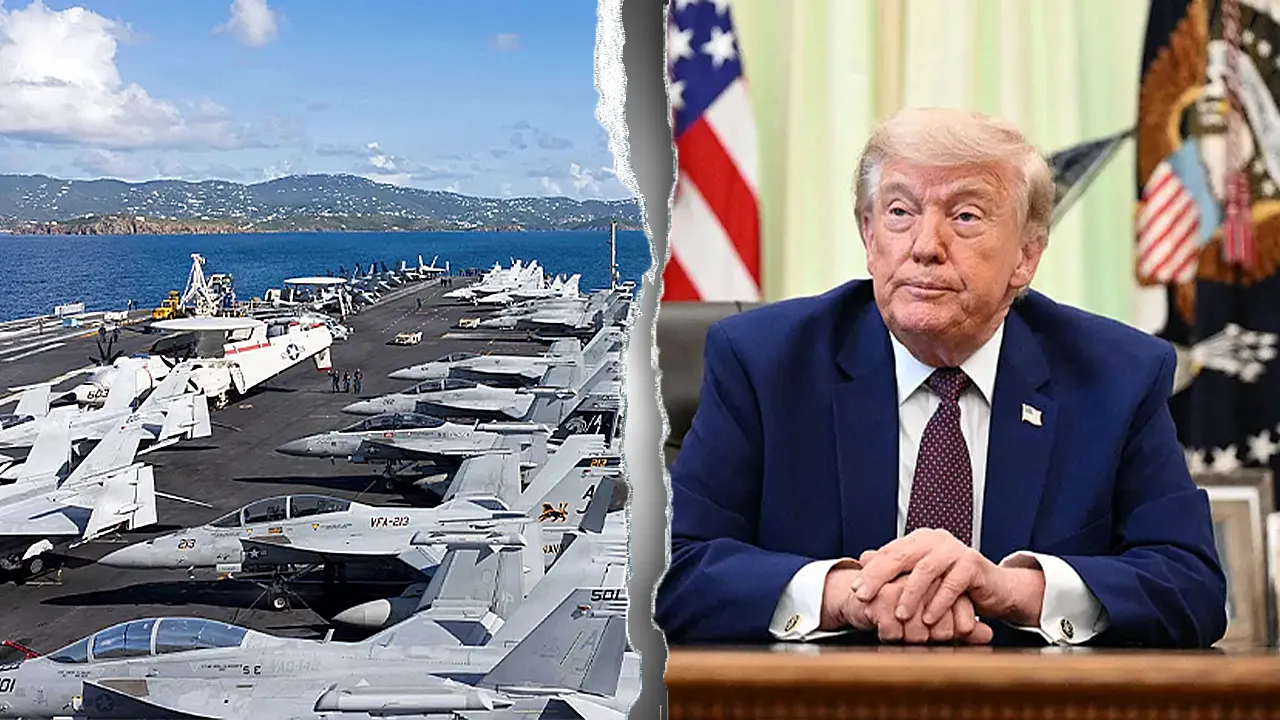
For the approximately 50,000 American service members stationed across the Middle East, as well as their anxious families back home, this agreement does not yet mean a ticket back to familiar shores. The Pentagon is maintaining one of its largest regional force concentrations in over twenty years, complete with at least two massive aircraft carrier strike groups patrolling the strategic waters of the Central Command area. U.S. officials have openly stated that military drawdowns will only follow the successful execution of an final, verifiable deal, meaning these men and women will continue their vigilant watch on the front lines of global tension. This military readiness serves as both a shield against potential hostility and a stark physical reminder to Tehran that Washington’s diplomatic patience is backed by overwhelming, immediate firepower.
The friction of this transition is perhaps best illustrated by the radically different stories being told in Washington and Tehran. While Iranian state-linked media and regime officials have rushed to portray the agreement as a massive triumph—claiming it unlocks roughly $24 billion in frozen funds and signals an end to debilitating economic pressure—the White House is singing a drastically different, far more disciplined tune. American officials have emphatically declared that exactly zero dollars in frozen assets have been released, insisting that any future economic relief or sanctions lifting must be earned through verifiable actions rather than empty promises. This public chess match of narratives reveals a deep-seated skepticism; the United States refuses to grant upfront rewards, ensuring that every centimeter of diplomatic progress is earned through strict compliance and tangible behavioral changes on the ground.
Despite the stubborn mistrust, the breakthrough offers at least one immediate, tangible victory for the global economy: the plan to reopen the strategic Strait of Hormuz. As a vital global artery through which nearly twenty percent of the world’s oil and liquefied natural gas flows, the closure of this waterway has long sent shockwaves through energy markets and hit the pockets of everyday consumers. Under the new agreement, the Strait is set to reopen toll-free during the 60-day negotiating window, promising to ease the global energy supply chain. However, getting commerce back to normal is not as simple as flipping a switch; brave merchant mariners and naval crews must first navigate the literal and metaphorical minefields in these waters, restoring confidence to shipping companies who have grown understandably fearful of regional escalation.
At its core, this 60-day pause is an ultimatum dressed in diplomatic garb, offering Iran a pathway back into the global family of nations if it chooses to take it. The administration’s message is simple yet unyielding: if Iran is willing to behave like a “normal country,” the international community is ready to treat it like one. This means the regime must take measurable, irreversible steps to dismantle its nuclear potential, curb its support for militant proxies, and cease the regional destabilization that has sparked endless cycles of violence. For ordinary Iranian citizens who have borne the heavy burden of severe international sanctions, this moment holds the bittersweet promise of economic salvation—provided their leaders prioritize domestic stability over geopolitical aggression.
As the world prepares for a formal signing ceremony later this week and awaits the public release of the memorandum’s finer details, the global community watches with bated breath. Already, energy markets have reacted with a sigh of relief, sending oil prices downward on the mere prospect of stabilized shipping lanes. Yet, the next two months will test the limits of what diplomacy can achieve when built on a foundation of mutual suspicion. Whether this agreement becomes a historic turning point toward lasting peace or just another brief pause in an endless conflict depends entirely on what happens when the signatures dry and the real work of verification begins.