



The Geneva Breakthrough: A Fragile Peace, Shifting War Aims, and the Untapped Realities of the U.S.-Iran Framework
A Triumphant Flight and the Chasm of Diplomatic Reality
                   ┌─────────────────────────┐
                   │   TRUMP'S WAR AIMS      │
                   │   (Three Months Ago)    │
                   └────────────┬────────────┘
                                │
     ┌──────────────────────────┼──────────────────────────┐
     ▼                          ▼                          ▼
┌──────────────────┐ ┌──────────────────┐ ┌──────────────────┐
│ Annihilate military │ Topple theocracy│ Total denuclearization│
└────────┬─────────┘ └────────┬─────────┘ └────────┬─────────┘
│ │ │
└──────────────────────────┼──────────────────────────┘
│ (Actual Geneva Framework)
▼
┌─────────────────────────┐
│ 60-Day Nuclear Pivot │
│ Unresolved Enrichment │
│ Status Quo Restored │
└─────────────────────────┘
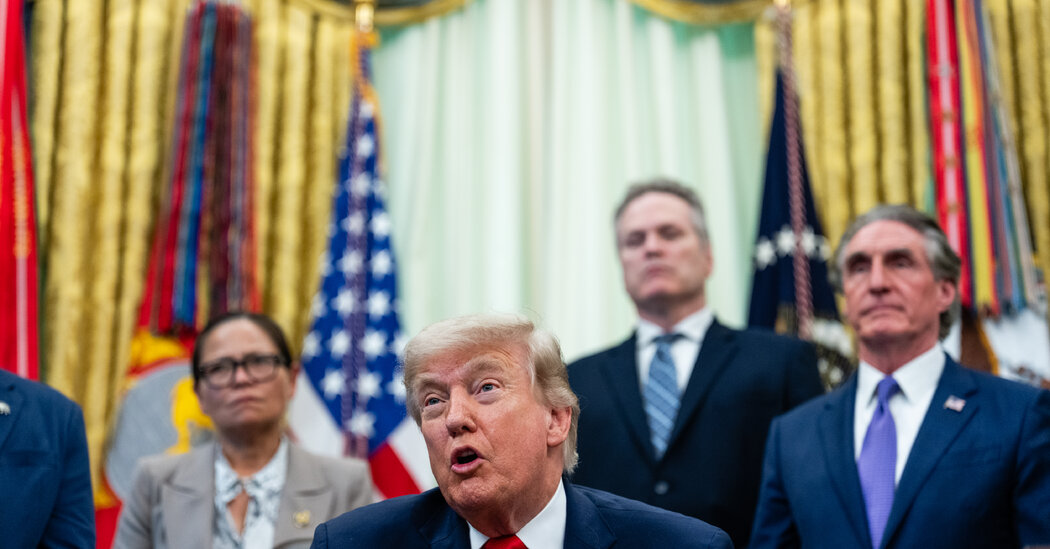
Almost immediately after broker-negotiators finalized a preliminary diplomatic framework with the Islamic Republic of Iran, President Donald J. Trump appeared eager to embark on an unrestrained victory lap, seeking to frame the cessation of active military hostilities as a triumph of his administration’s coercive foreign policy. Before boarding Air Force One for the high-stakes Group of 7 (G-7) summit in France—where he was prepared to confront a chorus of skeptical European heads of state who had spent months denouncing his unilateral military strategy—the President trumpeted the agreement as a historic resolution that would instantly stabilize the volatile Middle East. In a wide-ranging, exclusive interview with The New York Times, Trump claimed that his aggressive military campaign had effectively rescued Israel from the brink of nuclear annihilation and forged a new era of regional security. Yet, beneath this grandiose rhetoric lies a stark and inconvenient reality: the newly brokered agreement, scheduled for a formal signing ceremony in Geneva this coming Friday, fails to achieve almost every core strategic objective the President laid out ninety days ago when he authorized joint U.S.-Israeli military strikes. At the onset of the conflict, the White House declared that the military intervention was designed to entirely annihilate Iran’s conventional defense capabilities, dismantle its uranium enrichment infrastructure, force a collapse of its ruling theocratic government, and foster a popular democratic revolution. Instead, after weeks of intensive combat and soaring global instability, the administration has pivoted from demanding an “unconditional surrender” to accepting a transitional diplomatic compromise that leaves the fundamental structures of the Iranian state and its nuclear apparatus largely intact.
Unclogging the Strait of Hormuz: Solving a Manufactured Crisis
[ U.S.-Israeli Airstrikes Initiated ]
│
▼
[ Iran Blockades Strait of Hormuz ]
│
▼
[ Global Energy Supply Shock & Price Spikes ]
│
▼
[ Geneva Agreement Signed: Canal Reopened ]
│
▼
[ Trump Declares Victory / Status Quo Restored ]
The centerpiece of President Trump’s self-proclaimed triumph rests on resolving a catastrophic maritime blockade in the Strait of Hormuz—a crisis that foreign policy experts and defense analysts widely criticize as a predictable dilemma of the administration’s own making. Following the initial wave of coalition airstrikes, Iran leverage-played its strategic position along the world’s most critical energy transit artery, effectively choking off the passage of commercial tankers and plunging international energy markets into an unprecedented tailspin. In his characteristic style, Trump took to Truth Social to celebrate the newly negotiated baseline, exclaiming, “Ships of the World, start your engines. Let the oil flow!” and claiming credit for securing a toll-free reopening of the shipping lane. While the restoration of maritime traffic promises immediate relief to a battered global economy, energy security analysts point out that the breakthrough does not represent a newly won strategic concession. Rather, it merely rolls back the destabilizing security measures triggered by the outbreak of the war, returning the Persian Gulf to the prewar status quo but leaving deep geopolitical scars and a significantly higher baseline risk premium for international shipping. By celebrating the end of a blockade that was only initiated because of his decision to launch a preemptive war, Trump is attempting to transform a costly rescue mission into a historic victory, even as the global economy continues to digest the multi-billion-dollar losses incurred during the three-month maritime standoff.
The Enigma of Tehran’s Nuclear Ambitions and Shifted Goalposts
“Nuclear program obliterated by precision strikes!”
VS.
“We must sustain this war to stop them getting a bomb!”
│
▼
[ Geneva Bilateral Framework Signed ]
│
▼
[ Critical Issues Deferred for 60-Day Talks ]
Perhaps the most glaring discrepancy in the President’s triumphant narrative centers on Iran’s nuclear capabilities, an issue that has elicited a dizzying array of contradictory statements from the White House over the past several months. In the opening weeks of the campaign, Trump repeatedly insisted that coalition airstrikes had successfully “obliterated” Iran’s core nuclear development infrastructure, yet he simultaneously argued that sustaining the war was vital to prevent Tehran from constructing a nuclear weapon. The administration sought to reassure the American public and overseas allies that the final peace deal would rest on a single, unyielding pillar: the permanent and verifiable eradication of Iran’s nuclear weapons program. Yet, despite Saturday’s bold social media assertion that the Iranian leadership “no longer want a nuclear weapon, nor will they have one, either through purchase, development, or any other form of procurement,” the actual text of the Geneva framework leaves this vital national security threat completely unresolved. Rather than codifying a permanent halt to enrichment activities, the preliminary document defers all technical nuclear negotiations to a highly volatile sixty-day window, forcing both Washington and Tehran back to the bargaining table under a ticking clock. Instead of presenting a durable, ironclad non-proliferation treaty, Trump has shifted the goalposts, choosing to minimize the lingering nuclear threat while focusing almost entirely on his personal brand as a master dealmaker who succeeded where all previous American presidents failed.
The Cost of Miscalculation: From a Swift Victory to a Drawn-Out Conflict
EXPECTATION (The "Venezuela" Blueprint)
┌────────────────────────────────────────┐
│  Quick 5-Week Strike ──► Regime Shift  │
└────────────────────────────────────────┘

REALITY (The Attrition Atolls)
┌────────────────────────────────────────┐
│  3-Month War ──► Casualties ──► Deadlock│
└────────────────────────────────────────┘
The long road to Geneva has dramatically exposed the perils of the administration’s initial military assumptions, which underestimated the resilience of the Iranian state and the heavy toll of modern regional warfare. In the initial phases of the conflict, Trump confidently predicted that the entire campaign would be successfully wrapped up within “four to five weeks,” frequently drawing parallels to the prompt, low-intensity military operations in Venezuela that resulted in leadership transition while keeping the state’s administrative apparatus intact. Instead, the conflict degenerated into a grinding war of attrition that dragged on for months, resulting in the tragic deaths of thousands of Iranian civilians and thirteen American military service members. Far from capitulating under the weight of precision airstrikes, the newly consolidated leadership in Tehran maintained a defiant posture, demonstrating a willingness to absorb significant infrastructure damage and economic degradation rather than ceding their sovereign right to enrich uranium. During intense, closed-door negotiations in neutral capitals, led by the President’s son-in-law Jared Kushner and special envoy Steve Witkoff, the Iranian diplomatic team held firm against the White House’s demands for total capitulation. As former U.S. Ambassador to Israel Daniel B. Shapiro observed, the United States now finds itself in the paradoxical position of paying a steep price—potentially in the form of substantial sanctions relief and the unfreezing of overseas assets—just to secure the reopening of the Strait of Hormuz, all while leaving the core nuclear program open to future diplomatic manipulation.
Domestically Strained: Congress, the Vice President, and the Ghost of the JCPOA
          ┌──────────────────────────┐
          │  GENEVA INTERIM ACCORD   │
          └────────────┬─────────────┘
                       │
     ┌─────────────────┴─────────────────┐
     ▼                                   ▼
┌──────────────────┐ ┌──────────────────┐
│ VANCE (White │ │ GRAHAM (Congress)│
│ House): │ │ “Somewhat │
│ “Strategic │ │ concerned. Must │
│ leverage gained” │ │ face oversight.” │
└──────────────────┘ └──────────────────┘
As the details of the transition agreement begin to filter back to Washington, a parallel political battle is taking shape on Capitol Hill, revealing deep-seated anxieties among key congressional allies regarding the lack of concrete nuclear safeguards. Senator Lindsey Graham, a long-time proponent of decisive military action against the Iranian regime, openly expressed his concern that the Islamic Republic’s interpretation of the Geneva framework diverged sharply from the optimistic narrative being promoted by the administration’s negotiating team. Graham’s public insistence that Vice President JD Vance—whom he designated as the primary “architect of the deal”—must submit any final, binding agreement to Congress for rigorous legislative oversight highlights a growing rift between the executive branch and traditional defense hawks. In a defensive media appearance on CNBC, Vice President Vance argued that the preliminary framework provides the United States with unprecedented strategic “leverage,” though he acknowledged that critical technical details regarding enriched uranium stockpiles remain completely unresolved. This domestic political tension is further exacerbated by Trump’s obsessive online campaign to denigrate the landmark 2015 Joint Comprehensive Plan of Action (JCPOA) negotiated by the Obama administration, insisting that his nascent deal will be vastly superior. However, independent foreign policy analysts caution that after months of destructive warfare and immense human suffering, the United States may ultimately settle for an agreement that is structurally weaker, less verifiable, and far more precarious than the multilateral diplomatic accord that was discarded years prior.
A Fragile Peace and the Looming Threat of Rekindled Warfare
          ┌────────────────────────┐
          │ INTERNATIONAL RESPONSE │
          └───────────┬────────────┘
                      │
     ┌────────────────┼────────────────┐
     ▼                ▼                ▼
┌─────────────────┐ ┌─────────────┐ ┌──────────────┐
│ GERMANY (Merz) │ │ ISRAEL │ │ TRUMP TEAM │
│ Cautious praise│ │ Excluded & │ │ Threat of │
│ for economic │ │ skeptical │ │ future war │
│ breathing room │ │ │ │ if talks fail│
└─────────────────┘ └─────────────┘ └──────────────┘
The announcement of the Geneva bilateral agreement has sent shockwaves through international diplomatic circles, eliciting a complex mixture of market optimism, allied skepticism, and warnings of renewed conflict. European leaders, such as German Chancellor Friedrich Merz—who had previously condemned the U.S. military strategy as an unmitigated disaster that lacked any coherent long-term vision—offered cautious congratulations on Sunday, framing the diplomacy as a vital step toward avoiding a global depression and stabilizing global energy markets. Yet underneath this superficial relief lies a deeply unstable geopolitical landscape filled with potential spoilers, most notably Israel, which was entirely excluded from the direct negotiations despite being a key physical participant in the military campaign against Tehran. The lack of enthusiasm from Jerusalem highlights an existential divergence in threat perception, as Israeli security officials remain deeply alarmed by any roadmap that permits Iran to preserve its enrichment infrastructure. Unofficial statements from Washington indicate that the President has already notified top military commanders to keep their targeting plans updated, warning that the U.S. is prepared to immediately resume devastating military strikes if Iran fails to capitulate on the enrichment issue during the upcoming sixty-day negotiations. Thus, as negotiators prepare to sign the preliminary document in Geneva, the world watches with bated breath, fully aware that this historic framework represents not a durable resolution, but a temporary pause in a cycle of escalation that could easily drag the global superpower back into a full-scale regional war.