



In the quiet, sun-baked neighborhoods of Pharr, Texas, the summer of 2025 was indelibly marked by a discovery so profoundly heartbreaking that it left an entire community reeling in disbelief, grief, and deep moral introspection. It began with a heavy knock on a front door during what was supposed to be a routine wellness check—a critical welfare visit initiated not by routine patrols, but by the desperate and anxious intervention of friends who could no longer bear the crushing emotional weight of a horrific secret they had stumbled upon. When local police officers arrived at the residence, they were prepared for the standard complexities of everyday domestic calls, yet absolutely nothing could have truly readied them for the sheer, devastating gravity of the human tragedy that was about to unfold before their eyes. Out of the house walked thirty-five-year-old Karina Aidee Ramirez, her posture signaling a profound desolation that words could scarcely capture, as she tightly cradled a small, delicate bundle wrapped carefully in layers of household blankets. To any casual passerby or distant neighbor, it might have initially looked like a protective mother gently sheltering her sleeping newborn from the harsh afternoon elements, but the reality was infinitely more tragic and horrific. Inside those blankets lay her two-month-old infant son, completely lifeless, cold, and still, his brief journey on this earth having already come to an abrupt and silent end several days prior. The devastating sight of a mother stepping into the daylight carrying the decomposing corpse of her own baby serves as a grim, haunting testament to a catastrophic failure of basic parental duty. This was not merely another shocking headline or local crime report; it was a deeply human catastrophe that immediately forced everyone involved, from the toughened first responders to the grieving public, to confront the agonizing reality of a helpless baby boy who was denied the fundamental safety, warmth, and protection that every newborn deserves from the very moment they draw their first breath.
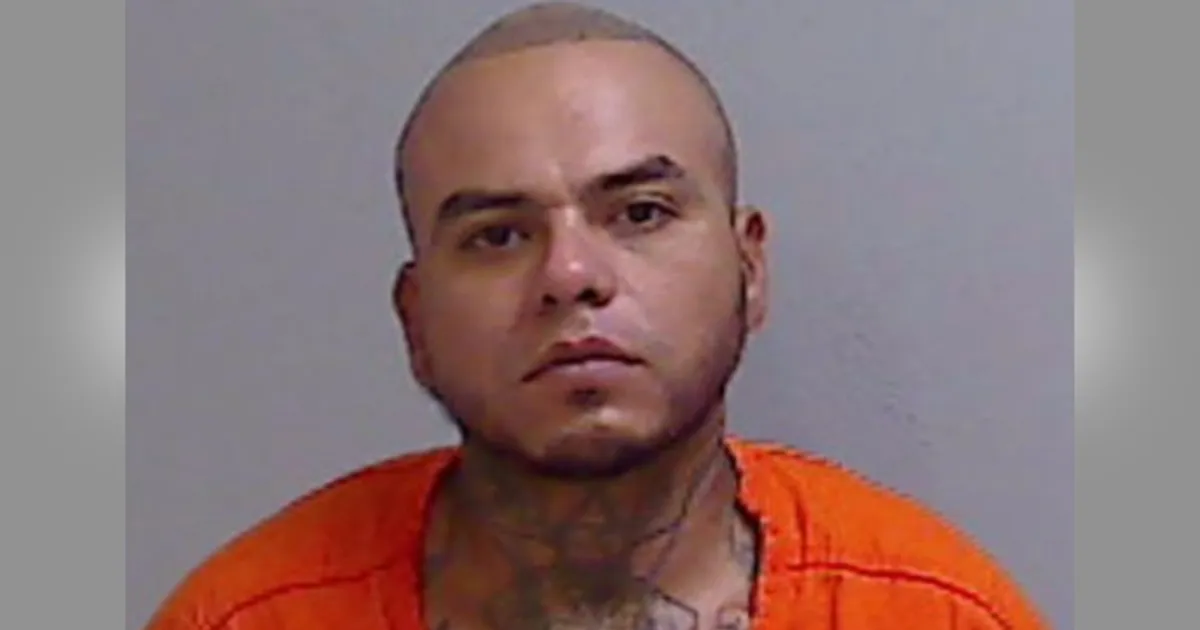
At the heart of the subsequent legal reckoning was thirty-eight-year-old Miguel Angel Ortiz Jr., the child’s father, whose recent trial in an Hidalgo County courtroom culminated in a complex emotional and legal verdict that has sparked widespread public debate. On Tuesday, June 9, a jury of local citizens found Ortiz guilty on one count of injury to a child by omission, a specific legal designation indicating that his complete failure to act, seek emergency medical help, or intercede directly contributed to the tragic demise and prolonged neglect of his infant son. The courtroom, heavy with the lingering sorrow of a tragedy that had haunted the community for months, watched intently as the jury recommended that Ortiz serve a substantial sentence of thirty years in a state prison. Despite this powerful recommendation, his final legal fate remains suspended in transition, as the presiding judge overseeing the emotional case will ultimately determine the official duration of his incarceration at a rescheduled sentencing hearing. Interestingly, the trial illuminated the difficult, often frustrating nuances of the criminal justice system; while the jury held Ortiz strictly accountable for his devastating negligence and failure to call for help, they ultimately acquitted him on the much more severe charges of capital murder of a child under ten years of age, murder, injury to a child, and aggravated assault of a family member. This split verdict underscores the rigid legal boundaries of proving intent versus omission, presenting a portrait of a father who may not have actively taken his son’s life in the eyes of the law, but whose profound silence, inaction, and failure to provide basic human care were deemed criminal enough to warrant decades behind bars. The delayed sentencing hearing, pushed back by Hidalgo County District Attorney Toribio “Terry” Palacios to allow for proper administrative preparation, has only extended the somber anticipation, leaving a grieving community waiting to see how the law will formally punish a father who watched his child slip away without raising a hand to save him.
The post-mortem examination of the two-month-old infant paints a chilling and deeply distressing portrait of the physical suffering the tiny boy endured during his incredibly brief life, a reality that deeply affected the investigators tasked with uncovering the truth. According to the medical examiner’s official autopsy report, the baby’s fragile body bore painful, unmistakable physical markers of severe neglect and blunt force trauma, including extensive bruising across his delicate skull, chest, and buttocks. Perhaps most heartbreaking and shocking of all of the forensic findings was the advanced state of physical decomposition, a clinical term that carries a devastating human truth: the baby had been dead for several days before anyone outside the walls of that home was ever made aware of his passing. During those agonizing days, while the infant’s body lay still and decaying in the residence, Ortiz and Ramirez reportedly coexisted alongside the corpse of their son, treating a horrific domestic tragedy with an incomprehensible, frozen silence that defies natural parental instincts of grief and panic. This horrifying realization that a helpless child’s body was kept in a home for days, hidden away from the world in a state of decay, highlights a profound psychological disconnect, a paralysis of fear, or a desperate, calculated attempt to evade the legal consequences of a disaster that they had failed to prevent. It was only when Ortiz finally confided in his personal friends, allegedly admitting that his newborn son had passed away three days prior, that the protective wall of silence was broken and the authorities were finally notified. This unconscionable delay in reporting the death not only compromised the timeline of the forensic investigation but also highlights a harrowing lack of basic human dignity afforded to the child in his final moments and in his death, leaving him to remain unmourned and unburied in the very space that should have been his ultimate sanctuary of safety and parental devotion.
As investigators dug deeper into the family’s background, they quickly uncovered a complex web of systemic failures and prior warning flags that suggested this tragic outcome did not occur in an isolated vacuum, but was instead the culmination of an escalating domestic crisis. It was quickly discovered that Ortiz and Ramirez were already well known to social services, with an active child welfare investigation pending through Child Protective Services at the very moment of their son’s untimely death. This shocking revelation adds an entirely new layer of grief and frustration to the narrative, as it highlights the painful, recurring reality of a social safety net that was ultimately too slow, too underfunded, or too stretched to protect the most vulnerable before disaster struck, leaving a completely defenseless infant to fall tragically through the cracks of administrative bureaucracy. Furthermore, at the time of the incident, Miguel Angel Ortiz Jr. was already navigating a troubled relationship with the law, facing separate charges for the possession of marijuana and tampering with physical evidence, though prosecutors later chose to dismiss the tampering charge to concentrate their resources on the far more heinous circumstances surrounding the child’s demise. The existence of an ongoing Child Protective Services file is a bitter pill for the local community to swallow, prompting painful, soul-searching questions about what signs were missed, what interventions were delayed, and how a family already flagged as high-risk could be left in a position where a newborn could perish unnoticed. This systemic dimension of the tragedy humanizes the exhausting struggle of child welfare workers and community advocates who try to step into volatile situations, serving as a solemn reminder of the high stakes involved in family monitoring and the irreversible, devastating cost when a cry for help, a domestic disturbance, or a warning sign goes unanswered.
While Miguel Angel Ortiz Jr. awaits his final sentencing behind bars, the spotlight of justice now shifts toward the child’s mother, Karina Aidee Ramirez, who faces an equally severe legal battle of her own in the very same jurisdiction. The thirty-five-year-old mother is scheduled to stand trial on Monday, June 15, where she will defend herself against grave charges of capital murder of a child under ten years old, injury to a child, and endangering a child. Both parents have remained in strict custody at the Hidalgo County Adult Detention Center since their initial arrests on June 23, 2025, with Ramirez currently detained on a combined bond of $350,000, reflecting the extreme severity of the allegations against her and the court’s insistence that she remain secured until the trial’s conclusion. Her upcoming trial promises to be a deeply emotional and highly publicized affair, as prosecutors seek to establish her level of culpability and determine whether her actions—or, like Ortiz, her omissions—directly resulted in the physical suffering and death of her two-month-old infant. For many in the public, the mother’s role in this tragedy is particularly difficult to comprehend, as society naturally looks to mothers as the primary protectors and nurturers of newborn life, making the allegations of her involvement feel like a profound betrayal of the natural order. This trial will undoubtedly lay bare the painful details of a household consumed by chaos, negligence, and despair, forcing the jury to decide how much responsibility she bears for the trauma found on her son’s tiny body and the decision to keep him hidden away in a blanket instead of seeking emergency medical care. The legal proceedings serve as a somber march toward accountability, ensuring that while the baby boy’s life was tragically brief, the circumstances of his passing will not be swept aside or forgotten without a thorough, public pursuit of the truth.
Ultimately, the heartbreaking story of this unnamed Pharr infant is a loud, tragic wake-up call that extends far beyond the walls of a single Texas courtroom, serving as a powerful reminder of our collective responsibility to watch over the most vulnerable among us. The fact that this tragedy was only discovered because friends of the father had the courage to speak up and report his disturbing admissions to the authorities highlights the vital, life-saving role that community vigilance plays in preventing child abuse. It serves as a stark reminder that staying silent in the face of suspected neglect or abuse is never an option, and that a single phone call or anonymous report can be the physical difference between life and death for a child who cannot speak for themselves. In memory of the innocent life lost in this case, it is crucial for society to actively share and promote resources designed to support families in crisis and protect children from harm, such as the Childhelp National Child Abuse Hotline, which can be reached twenty-four hours a day, seven days a week, by calling or texting 1-800-422-4453. This toll-free, confidential service offers professional crisis intervention, information, and referrals to local support services, providing a lifeline for struggling parents, stressed caregivers, concerned neighbors, and anyone who suspects that a child is in immediate danger. By turning this unspeakable tragedy into a focal point for advocacy and heightened community awareness, we can hope to foster a more compassionate, vigilant society where every child is actively cherished, every warning sign is taken seriously, and no infant is ever left to suffer in silence, ensuring that the legacy of a baby boy whose life was cut so terribly short becomes a protective shield that helps to save other children from a similar fate.