


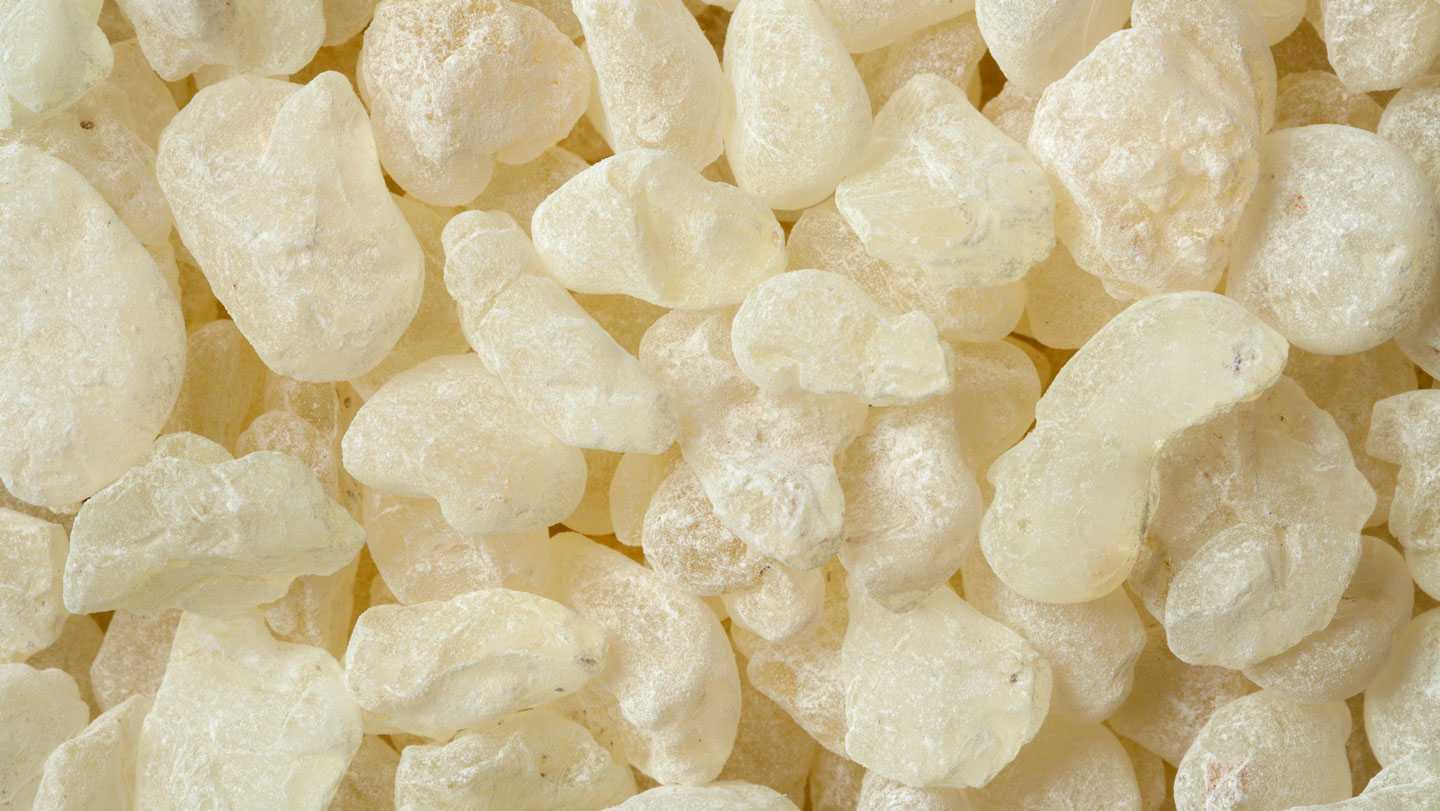
Imagine standing on the rugged, sun-drenched hillsides of the Greek island of Chios, where the salty breeze of the Aegean Sea rustles through the evergreen leaves of the resilient mastic tree. Thousands of years ago, long before the advent of modern pharmacy or viral internet trends, ancient Greek citizens walked these rocky paths, collecting the pale, aromatic droplets of resin that naturally seeped and hardened on the bark. They called these dried sap crystals “tears,” and they chewed them to cleanse their mouths, freshen their breath, and soothe their troubled stomachs after heavy meals. Even Hippocrates, the legendary father of medicine, recognized the therapeutic potential of this sticky resin, prescribing it as a natural herbal remedy for a variety of persistent gastrointestinal disorders. Today, however, this humble Mediterranean secret has been swept up in the whirlwind of the modern digital landscape. On social media platforms like TikTok, creative influencers are breathing new life into this ancient practice, transforming mastic gum into the latest viral wellness sensation. Modern companies have taken this raw, earthy resin and infused it with trendy flavors like spearmint and enamel-boosting calcium to appeal to a generation of young consumers obsessed with self-optimization. The claims circulating online are grand, seductive, and ubiquitous: they promise that a simple daily chewing habit can dramatically improve your gut health, purify your oral microbiome, and even sculpt a razor-sharp, chiseled jawline. This fascinating intersection of ancient healing traditions and our fast-paced, aesthetic-driven internet culture highlights a deeply human desire to reconnect with natural solutions. Yet, beneath the glossy packaging and enthusiastic testimonials lies a growing concern among scientists, dentists, and health professionals who warn that the hyperactive hype machine of social media is outpacing clinical truth, leading consumers to believe in cosmetic and physical miracles that simply do not align with physical reality.
To understand whether mastic truly holds any therapeutic value, we must peer beneath its sticky, fragrant surface and examine the complex organic chemistry that captured the attention of ancient Greek doctors. The natural resin produced by the mastic tree is packed with a diverse array of bioactive plant compounds, many of which are known to possess potent antibacterial, antioxidant, and anti-inflammatory properties. When researchers isolate these specific compounds in a structured laboratory setting, the scientific literature begins to tell a compelling story that validates much of Hippocrates’ historical intuition. For instance, chemical analyses show that the active ingredients within mastic are highly effective at combating Helicobacter pylori, a notoriously resilient bacterium that colonizes the human stomach lining and serves as the primary driver behind painful peptic ulcers, chronic gastritis, and acid reflux. Furthermore, the anti-inflammatory pathways activated by mastic compounds offer a potential source of relief for individuals struggling with complex, inflammatory bowel conditions, such as Crohn’s disease, irritable syndrome (IBS), and dyspepsia—the medically frustrating condition of recurrent, unexplained indigestion. Beyond the digestive tract, some clinical trials have suggested that these organic plant compounds can exert a positive influence on systemic metabolism, helping to modestly lower elevated cholesterol levels and regulate fasting blood glucose. These biological findings are undeniably exciting, representing a bridge between ancestral wisdom and modern pharmacological research. They illustrate that the natural world still has much to teach us about managing inflammation, showing why scientists continue to investigate the mastic tree as a viable source for pioneering future therapies.
However, a critical gap exists between the abstract science of laboratory test tubes and the everyday lifestyle habits promoted on social media, a distinction that experts urge consumers to understand. The fundamental flaw in the viral online narrative is that almost all the scientific research validating mastic’s biological, gastrointestinal, and metabolic benefits was conducted using highly concentrated, isolated extracts of the plant rather than the physical chewable gum. In these clinical studies, participants did not chew on sweet resin; instead, they swallowed carefully measured doses of mastic oil or finely milled powder encapsulated in pill form, allowing the therapeutic agents to pass directly and abundantly into the stomach and intestinal tract. When we look at the physical act of chewing modern mastic gum, the pharmacological equation changes entirely. Dr. Roja Rahimi, a distinguished pharmacologist at the Tehran University of Medical Sciences in Iran, cautions that chewing mastic gum simply does not deliver a sufficient or consistent concentration of these active compounds to treat deep-seated internal health issues. Once the gum is chewed, only a microscopic fraction of the beneficial resin is actually swallowed, meaning its therapeutic efficacy for treating systemic metabolic conditions or chronic digestive diseases is virtually negligible. By conflating the proven benefits of high-dosage medical supplements with the casual chewing of a flavorful gum, marketing campaigns exploit scientific jargon to sell an engaging experience rather than an effective cure. This highlights how easily complex scientific data can be diluted and misrepresented when packaged for the mass consumer market, transforming a legitimate medical therapy into an overhyped wellness accessory.
Where mastic gum does find its genuine, scientifically backed calling is right within the human mouth, operating as a powerful ally for oral hygiene and dental health. Because the physical act of chewing directly bathes the oral cavity in the resin’s natural antibacterial environment, the mouth becomes the primary beneficiary of mastic’s active healing properties. A comprehensive review published in 2023 in the Journal of Natural Medicines confirmed that chewing mastic resin significantly reduces the buildup of dental plaque, which is the foundational cause of cavities, gingivitis, and more severe periodontal gum diseases. The active natural compounds disrupt the sticky biofilm created by harmful oral bacteria, preventing them from secreting the corrosive acids that erode precious tooth enamel. Additionally, clinical research has uncovered fascinating clues suggesting that mastic compounds may restrict the spread of oral cancer cells, encouraging them to undergo programmed cell death before they can establish dangerous, malignant tumors in the mouth. Mastic’s sophisticated botanical chemistry also wages a highly effective war against halitosis, commonly known as bad breath. A clinical study published in 2025 in the Journal of Breath Research followed teenagers who used mastic-infused toothpaste three times a day for two weeks, revealing a dramatic decrease in hydrogen sulfide levels—the foul-smelling gas produced when oral bacteria ferment food particles. For those seeking a cleaner mouth and fresher breath, chewing mastic resin is not a modern gimmick; it is a scientifically validated practice that physically purges the oral biome of unwanted pathogens, proving that ancient Greeks were wonderfully correct about its dental benefits.
Unfortunately, when the conversation shifts from oral chemistry to facial aesthetics, the scientific validity of mastic gum completely evaporates, leaving behind a trail of unrealistic expectations. A significant portion of the modern mastic gum industry—including three out of five leading brands dominant on TikTok—has built its entire brand identity around the promise of “jawline sculpting.” These brands appeal to the deep-seated physical insecurities of young people, claiming that the tough, highly resistant texture of mastic gum serves as a form of resistance weight training for the face, carving out a sharp, attractive, or refined jawline. However, Anette Vistoso, an orofacial medicine specialist at the University of Southern California in Los Angeles, firmly states that there is absolutely no scientific evidence to support these aesthetic claims. The belief that repeatedly exercising the masseter muscles of the jaw will gracefully contour the face is a fundamental misunderstanding of human anatomy. To confirm this, researchers in Korea conducted a rigorous study in 2024, assessing young adults who chewed standard gum multiple times a day for six solid months, only to find that it had absolutely zero impact on the visual appearance, alignment, or structure of their jawlines. Not only are these cosmetic promises empty, but the physical practice of constantly chewing such exceptionally tough gum carries substantial orthopedic risks. Dr. Vistoso warns that overworking the complex muscles and delicate joints of the jaw can cause severe temporomandibular joint (TMJ) disorders, leading to chronic myofascial pain, painful clicking, tension headaches, and an unconscious habit of clenching so intensely that patients frequently destroy their protective dental night guards, turning an aesthetic obsession into a painful physical pathology.
Ultimately, the saga of mastic gum serves as a powerful cautionary tale about the complexities of self-care and consumer choice in our hyper-connected, digital age. While it is incredibly tempting to scan social media for quick-fix remedies and ancient wellness secrets, the human body is a highly complex system that rarely conforms to the simplistic, aesthetic miracles promised in short video clips. For those who are genuinely curious about the internal benefits of mastic resin, such as managing indigestion or optimizing cholesterol levels, the most rational and effective pathway is to bypass the gum entirely and discuss concentrated oil or powder capsule formulations with a healthcare professional. Yet, as Dr. Roja Rahimi wisely points out, even the most legendary herbal remedies are not a substitute for the foundational pillars of systemic health. Healthy individuals do not need a continuous, long-term regimen of herbal supplements to thrive; instead, true wellness is cultivated slowly through sustainable lifestyle choices, a diet rich in diverse whole foods, regular physical activity, and a mindful relationship with our bodies. For those specifically battling bad breath, dental sensitivity, or chronic gum issues, mastic gum can indeed offer a fragrant, natural, and highly effective therapeutic boost. However, we must learn to separate the marketing myths from clinical realities, understanding that a sculpted face cannot be chewed into existence and that true health is a lifelong, holistic harmony of diet, movement, and sleep rather than a trendy product we can simply purchase online.