


The Sun-drenched, bustling metropolis of Los Angeles is famous worldwide for its staggering wealth, Hollywood glamour, and progressive ideals, yet beneath this shimmering facade lies a parallel reality of profound neglect on the cracked pavements of Skid Row. In this fragile ecosystem near 7th and Flower Streets, where daily survival is an exhausting chore and basic human needs are constantly unmet, a disturbing new controversy has erupted that intersects the raw desperation of homelessness with the high-stakes world of municipal politics. This crisis came to light through a series of raw, unfiltered videos uploaded to the TikTok account LaneNeedsSpencerPratt, documenting firsthand testimonies from unhoused residents who claim they were paid small amounts of cash to vote for incumbent Mayor Karen Bass and local City Councilwoman Nithya Raman. The footage was captured by an independent content creator and citizen journalist who was alerted to the situation by a close friend working in the area. Intrigued and unsettled by reports of election canvassers aggressively targeting the neighborhood’s highly vulnerable population, the creator set out with his camera on a Tuesday morning to document what was happening on the ground. What he uncovered was not a story of standard, empowering civic engagement, but rather a deeply troubling portrait of transactional mechanics, where the sacred constitutional right to vote was seemingly reduced to a cheap commodity, eagerly traded by hungry people for just enough money to buy their next meal.
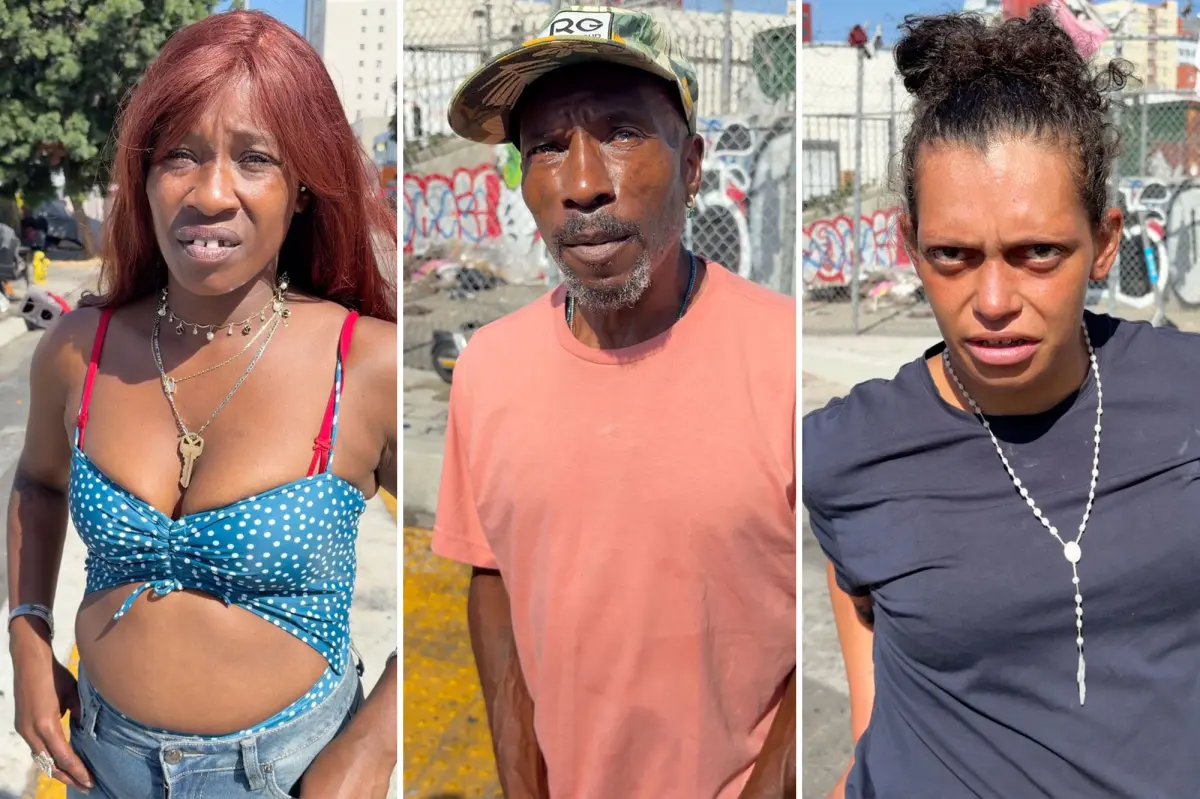
Among the many voices captured in these bombshell recordings is that of Kevin Shepherd, an unhoused resident whose candid testimony highlights the casual and tragic normalization of this alleged cash-for-votes scheme. Speaking directly to the camera, Kevin revealed that he had been approached by campaign field workers and was given a mere four dollars in exchange for casting his mail-in ballot for Mayor Karen Bass. When pressed by the interviewer on whether he stood to receive additional financial compensation for casting a vote in favor of the far-left, controversial incumbent Councilwoman Nithya Raman, Kevin affirmed without hesitation that the same financial incentive applied. Furthermore, he noted with a dry sense of irony that former reality television star Spencer Pratt—who had launched a high-profile, unorthodox write-in campaign for municipal office—was conspicuously absent from the options presented by the canvassers. Kevin explained that he simply signed the official mail-in ballot, dropped it into a nearby collection box, and accepted the meager cash payment as if it were a routine, everyday transaction. The content creator noted that Kevin’s matter-of-fact attitude was mirrored by nearly everyone he interviewed in the vicinity, with residents repeatedly emphasizing that these payments were considered completely ordinary. This casual acceptance of systemic exploitation reveals a devastating cultural landscape where the democratic process is not seen by the disenfranchised as a tool for societal change, but rather as a tiny, transactional survival mechanism to secure a few dollars on a Tuesday morning.
The sense of profound vulnerability and systemic exploitation is even more palpable in the testimony of Rene Johnson, a thirty-nine-year-old woman who views the unforgiving streets of Skid Row as her permanent home. Rene tearfully explained to the content creator that she had been paid five dollars after being explicitly instructed by outreach workers to cast her vote in favor of Mayor Karen Bass. Unlike some of her peers who viewed the transaction with detached cynicism, Rene expressed a deep, lingering sense of sadness and violation over the experience, openly admitting that she felt as though she and her fellow unhoused neighbors were being systematically taken advantage of by powerful political forces. She described a relentless parade of campaign operations, with outreach workers from several distinct and unidentified organizations descending on the encampments as often as three to five times a week in the intense build-up to Election Day. Another unhoused woman, who openly admitted her genuine political support for Mayor Bass, nevertheless acknowledged the confusing and predatory nature of the process, admitting to the camera that she still did not fully comprehend the complex legal and voter registration paperwork she had been pressured to sign. This disconnect paints a harrowing picture of a marginalized populace being utilized as a silent, compliant voting bloc, signing binding legal documents in exchange for prices as low as two dollars, entirely isolated from the actual policies and debates shaping the city they inhabit.
Perhaps the most startling revelation regarding the scale and frequency of these alleged voting operations came from an unhoused resident named Mark Sanchez, who described a highly organized and repetitive cycle of micro-transactions. Mark claimed that he had been targeted not just once, but multiple times by a variety of different political organizers who routinely wandered through the tents and makeshift shelters of Skid Row. According to Mark’s detailed account, these campaign workers frequently paid him sums of four or five dollars across several different accounts or through different organizational representatives to sign local petitions and finalize official voting documents. He estimated that this transactional process had occurred at least four or five times leading up to the election, suggesting that the practice was not the result of a few rogue volunteers, but rather a sustained, systemic effort to harvest votes from a highly compliant population. For a person living in extreme material poverty, the accumulation of these small four-dollar payments can mean the difference between sleeping on an empty stomach or securing basic necessities, rendering them completely incapable of turning down these financial overtures. By creating a cash-based loop of repetitive political participation, these campaign operations have transformed the democratic process into a gig-economy style market, systematically eroding the ethical boundaries of voting in the state of California.
These shocking, grassroots videos emerged in the immediate aftermath of a highly polarized election cycle, coming just one day after the progressive incumbent Nithya Raman successfully defended her City Council seat, ultimately squeezing out a victory and halting the political ambitions of challenger Spencer Pratt. While the main-stream media focused its lens on the high-level policy platform debates, television ads, and fundraising records of the affluent candidates, these TikTok clips offered an uncomfortable, grassroots glimpse into the actual ground-game strategies being deployed in the city’s poorest areas. At this stage, the allegations presented in the videos remain entirely unverified, and it is impossible to determine with absolute certainty which specific political organizations, non-profits, or campaign committees conducted these outreach efforts, nor is it clear what specific legal declarations the residents were signing. Nevertheless, the consistent, corroborating stories told by numerous residents of Skid Row paint an undeniable picture of an extensive, highly aggressive voter engagement apparatus that operated with near-impunity in the shadows of downtown Los Angeles. In an era dominated by polished public relations campaigns, the raw medium of citizen journalism on platforms like TikTok has bypassed traditional institutional gatekeepers, forcing the public to confront the deeply unsettling reality of how political victories are actually constructed on the streets.
Ultimately, the true tragedy exposed by these viral recordings is not merely the potential violation of election laws, but the profound human exploitation of a population that has already been abandoned by the very systems meant to protect them. When the voice of a citizen in a democratic society can be purchased for less than the price of a cup of coffee, it signals a deeper moral failure that transcends partisan politics and calls into question the fundamental integrity of our civic institutions. The individuals living on Skid Row—such as Kevin Shepherd, Rene Johnson, and Mark Sanchez—deserve to have their voices heard, their dignity respected, and their conditions improved through genuine, compassionate public policy, not to have their desperate circumstances leveraged as a cheap resource for political campaigns seeking to consolidate power. As community advocates and legal experts begin to digest the heavy implications of these videos, there is a growing and urgent demand for transparency, oversight, and a comprehensive investigation into the voter mobilization tactics utilized in marginalized communities. Only by addressing the rampant inequality and systemic exploitation that allows such transaction-based voting to flourish can we hope to restore a sense of democratic justice and genuine humanity to the broken streets of Los Angeles.