


For the first time in over a quarter of a century, the United States Food and Drug Administration has officially greenlit a new active sunscreen ingredient, marking a historic and highly anticipated milestone for public health, dermatology, and the daily skincare routines of millions of Americans. For decades, dermatologists and cosmetic chemists have watched from the sidelines as the rest of the world utilized sophisticated, highly protective, and lightweight sun filters, while American consumers remained limited to a severely restricted roster of aging active ingredients. The newly approved chemical filter, known as bemotrizinol, is already a beloved staple in European, Asian, and particularly South Korean skincare formulas, celebrated globally for its unparalleled ability to defend the skin against devastating solar radiation without causing irritation, clogging pores, or leaving a chalky residue. This regulatory breakthrough could not have arrived at a more critical time; skin cancer remains the most prevalent form of cancer in the United States, with more than five million new cases diagnosed every single year. For years, the American medical community has sounded the alarm on this mounting public health crisis, pleading for regulatory pathways that would allow modern, ultra-stable UV filters to reach local store shelves and help curb the tide of preventable skin damage. With the FDA finally signing off on bemotrizinol, experts are celebrating what they describe as a monumental leap forward in sunscreen innovation—one that promises to completely redefine how we shield our bodies from the sun, elevate our daily self-care rituals, and ultimately save lives by making consistent UV protection an effortless, pleasant experience rather than a dreaded chore.
To truly appreciate the revolutionary nature of bemotrizinol—often abbreviated as BEMT in scientific literature—it is essential to understand the complex and destructive relationship between solar energy and human skin. The sun bombards our planet with two primary types of dangerous ultraviolet radiation: UVA and UVB rays, both of which possess the power to alter our biology but do so in distinctly different, insidious ways. UVB ultraviolet rays are relatively short in wavelength but extremely high in energy, aggressively striking the outermost layers of the skin to cause painful sunburns and directly mutilating cellular DNA, which can trigger dangerous genetic mutations that lead to basal cell carcinoma, squamous cell carcinoma, and potentially fatal melanoma. UVA ultraviolet rays, on the other hand, boast a longer wavelength that allows them to pierce deeply into the dermis, bypassing our initial defenses to destroy foundational collagen and elastin networks, which induces premature aging, deep wrinkling, hyperpigmentation, and long-term DNA damage. Until now, formulating a sunscreen that stably and elegantly neutralizes both wavelengths simultaneously has been an uphill struggle in the American market. Bemotrizinol solves this fundamental scientific puzzle by serving as an exceptionally versatile, oil-soluble chemical filter that acts like a cellular shield, absorbing both UVA and UVB rays and safely converting that hostile radiation into harmless heat before it can penetrate the skin. Furthermore, bemotrizinol is highly photostable, meaning it does not break down or lose its protective potency when exposed to sunlight, allowing it to defend the skin for far longer periods than traditional chemical filters that tend to rapidly degrade under solar exposure.
The stark disparity between American sunscreens and those found in overseas markets has long been a source of immense frustration for skincare enthusiasts, travel bloggers, and dermatologists alike. Abroad, particularly in the European Union and across Asian beauty capitals like Seoul and Tokyo, sun protection is treated as a highly advanced branch of cosmetic science where manufacturers have access to dozens of state-of-the-art UV filters. In the United States, however, the FDA regulates sunscreens not as cosmetics, but as over-the-counter drugs, subjected to a notoriously rigorous, expensive, and prolonged approval process that has essentially kept the domestic market frozen in the late 1990s. Prior to this historic clearance of bemotrizinol, the FDA held only two active ingredients as generally recognized as safe and effective, or “GRASE”—zinc oxide and titanium dioxide, both of which are mineral physical blockers. While physical blockers are undoubtedly effective at reflecting solar rays, they present massive cosmetic challenges, famously leaving behind a thick, heavy, and ghostly white cast that is highly visible, especially on deeper skin tones, and can make daily compliance feel incredibly unappealing. Meanwhile, older US chemical filters, such as oxybenzone, have come under intense public scrutiny and ongoing safety reviews due to concerns regarding their high skin absorption rates, potential systemic toxicity, and tendency to irritate sensitive skin or sting the eyes. Bemotrizinol bridges this historical divide perfectly, boasting a remarkably low skin absorption rate that ensures the product remains on the surface where it belongs, while offering a pristine, robust safety profile that has been validated by decades of safe usage by billions of consumers worldwide.
The overwhelming consensus among dermatological experts is that the introduction of bemotrizinol represents a transformative paradigm shift that will dramatically elevate the standard of sun care in America. Dr. Jessica Weiser, a premier dermatologist and the founder of Weiser Skin MD, highlighted the profound impact of this approval, noting that having another FDA-recognized filter fundamentally expands clinical options and supports the development of sophisticated, cosmetically elegant formulas that encourage everyday use. Dr. Weiser emphasized that bemotrizinol possesses some of the most robust and comprehensive safety data of any UV filter evaluated to date, offering significantly better UVA defense than any other chemical active presently circulating in the US market. Currently, most American chemical sunscreens provide excellent UVB coverage to prevent sunburn, but they are estimated to block only about a measly twenty-five percent of the deeper-penetrating UVA rays that cause long-term cellular damage, sagging skin, and pigment issues. Because bemotrizinol works harmoniously in tandem with other skin-loving ingredients, cosmetic chemists can achieve much higher overall Sun Protection Factors, or SPFs, while utilizing much lower concentrations of active chemicals. Dr. Gary Goldenberg, a board-certified dermatologist based in New York City, echoed this enthusiasm, pointing out that American consumers have been practically stranded in the past while the global community enjoys superior, lightweight formulas that feel completely weightless on the skin.
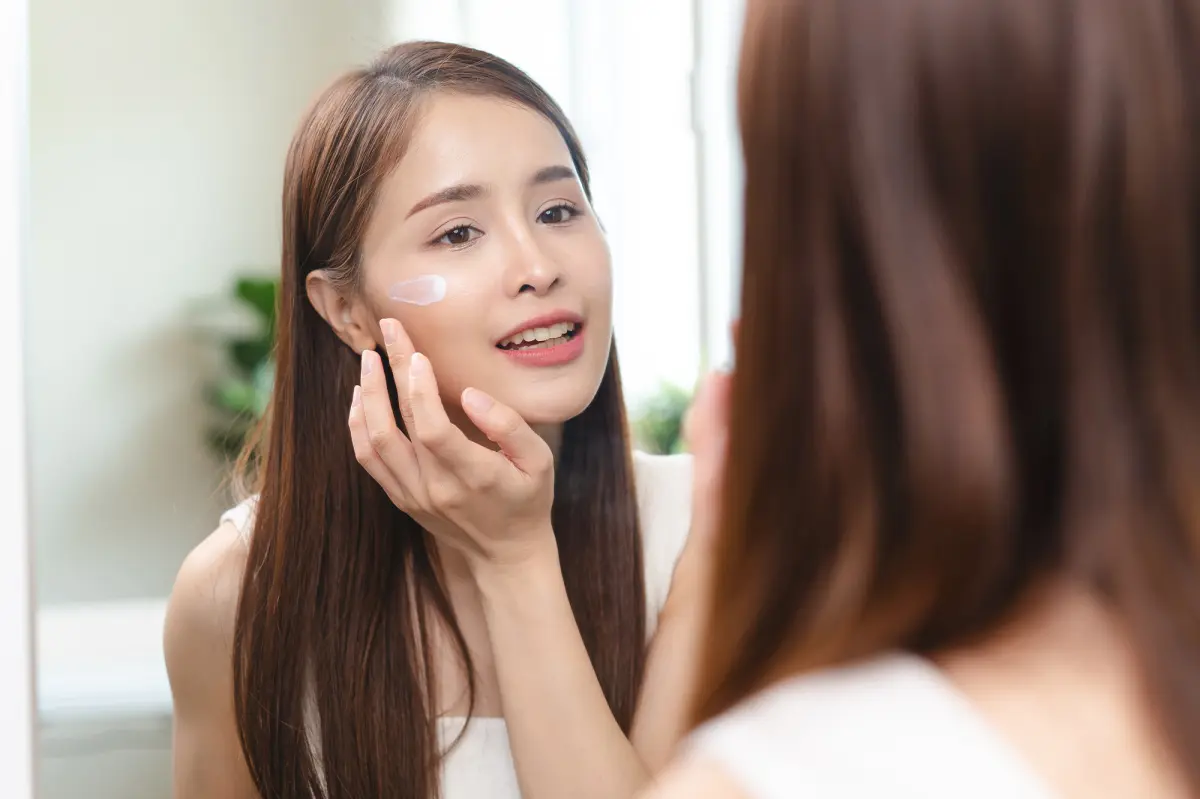
Beyond the fascinating molecular biology and regulatory politics, the arrival of bemotrizinol speaks directly to the delicate psychology of human habits, public health compliance, and the realities of daily skincare. Public health campaigns have spent decades reminding people to wear sunscreen every single day, regardless of the weather or whether they are staying indoors, yet compliance rates remain disappointingly low simply because people detest the physical experience of wearing bad sunscreen. Many current options feel like a heavy, greasy mask, smell strongly of harsh chemicals, cause painful acne breakouts, or ruin makeup applications, which discourages people from applying the necessary amount to get full protection. The true genius of bemotrizinol lies in its cosmetic elegance; because it is highly compatible with modern skincare formulations, it can be integrated into light, hydrating, and virtually invisible creams and gels that feel indistinguishable from a luxurious daily moisturizer. When a sunscreen feels elegant, silky, and invisible, Applying it transitions from a medical obligation to an enjoyable, seamless act of daily self-care. As Dr. Weiser beautifully summarized, the absolute best sunscreen in the world is simply the one that an individual genuinely loves enough to apply and reapply every single day of the year. Expanding the market to include modern, elegant options like bemotrizinol is a monumental victory for public health, removing the sensory barriers that have historically prevented people from protecting their skin from deadly carcinomas and premature aging.
While the approval of bemotrizinol is a monumental victory, eager consumers will need a little patience before they can easily purchase these revolutionary bottles off their local supermarket and pharmacy shelves. The initial rollout will be carefully managed, with the very first American products featuring bemotrizinol being manufactured by the Dutch nutritional and chemical giant DSM Nutritional Products, marketed under the proprietary brand name Parsol Shield. To protect the manufacturer’s extensive research and developmental investments, an eighteen-month exclusivity window will be in place before other generic cosmetic brands are permitted to integrate this newly approved filter into their own proprietary lines. This phased rollout ensures a controlled, highly monitored introduction to the US market, giving dermatologists and consumers alike the chance to experience and trust the ingredient firsthand. Expressing his enthusiasm for this long-overdue modern era of consumer health products, FDA Commissioner Marty Makary emphasized in an official statement that American citizens deserve timely, direct access to the absolute safest, most effective, and consumer-friendly over-the-counter healthcare products available globally. As the countdown to Parsol Shield’s official shelf debut begins, the future of American sun care looks infinitely brighter, safer, and far more comfortable, signaling a beautiful new beginning where protecting our health feels like second nature.