


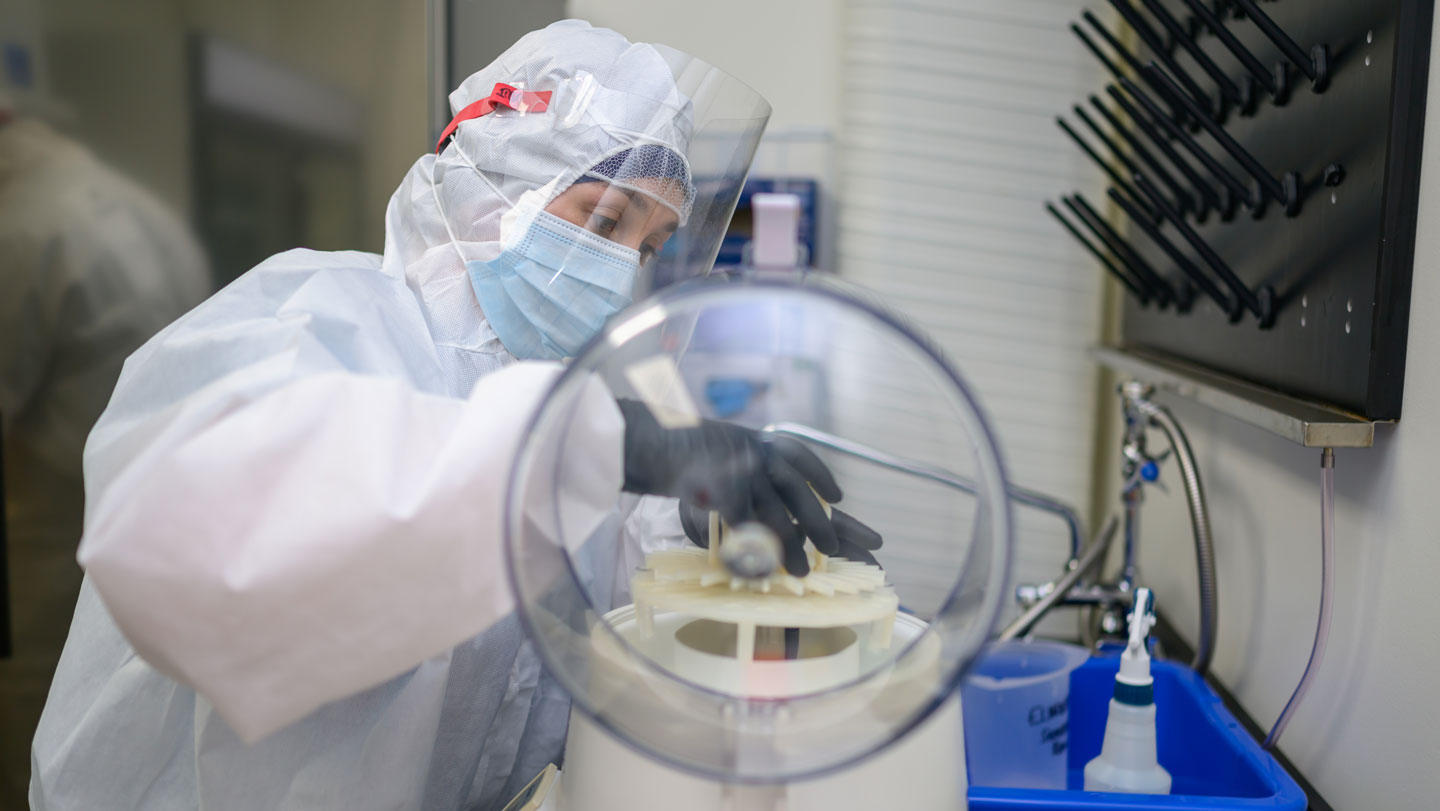
Imagine walking into a sterile, state-of-the-art laboratory designed for ancient DNA analysis—a room usually defined by the quiet hum of cooling units, positive-pressure air systems, and the sharp, clean tang of chemical disinfectants—only to be suddenly hit by the undeniably pungent, earthy aroma of fresh manure. This was the surprising and slightly comical reality experienced by biomolecular archaeologist Tyler Murchie and his research team at the Hakai Institute in Canada. At first glance, the small, dark, oblong pellets they were preparing for analysis looked completely harmless, resembling tiny clumps of dried mud or stony gray fossils that had been extracted from the frozen depths of the Earth. Locked away in the deep-freeze of the subarctic permafrost for thousands of generations, these fecal pellets were initially entirely odorless, preserved in an icy state of suspended animation. However, the moment the researchers began the delicate process of thawing and breaking down these ancient specimens in order to isolate their genetic material, the laboratory became a sensory time-portal. Far from being mineralized, stony fossils that had lost all their organic volatility, these coprolites—the scientific term for ancient feces—retained their organic compounds in an astonishing state of preservation. As the heat of the laboratory melting process worked its way through the samples, the room filled with an odor that was unmistakable in its origin, causing Murchie to laughingly remark that there was absolutely no mistaking the raw material under investigation. Yet, this pungent odor was not a nuisance to the scientists; rather, it was a thrilling hallmark of success. It provided an immediate, chemical confirmation that the delicate biological structures within the samples had survived the passage of time without being replaced by mineral deposits, indicating that the subarctic soil had functioned as a perfect, ancient freezer. This humble, smelly substance would ultimately yield some of the most highly detailed genetic data ever recovered from the Ice Age, proving that the waste of a tiny, long-dead rodent could serve as a profound scientific archive of a lost world.
The journey of these ancient fecal pellets from the frozen wilderness of the Yukon to the laboratory bench is deeply intertwined with the human history of this rugged northern region, a landscape legendary for its historic gold rushes and wild landscapes. Today, gold mining in the Yukon is not just a valuable economic endeavor but an unexpected gateway for paleontological discovery. Modern mining operations in the Klondike region often rely on pressurized water systems to wash away the stubborn, frozen layers of mud and silt—known as muck—to reach the gold-bearing gravels hidden deep beneath. As the ice melts and the valley walls drop away, they reveal massive, vertical cross-sections of geological history, exposing the remains of a prehistoric world. Along with massive bones of woolly mammoths, the horns of steppe bison, and the remarkably preserved mummified remains of Ice Age predators, this melting process exposes thousands of small, ancient burrows belonging to ground squirrels of the genus Urocitellus. Built deep within the permafrost, these burrows were frozen in time mid-use, leaving behind an exceptionally preserved subterranean network of tunnels, food caches, and localized latrine chambers. Murchie describes these ancient ground squirrels as unwitting but incredibly diligent paleontological assistants, acting essentially as tiny, rodent-sized archivists. Throughout their lifetimes, these industrious creatures scurried across the vast, cold plains of the mammoth steppe, gathering up a wide variety of plant materials, seeds, twigs, leaves, and small fragments of bone, and carrying them back into their secure underground homes. While scientific expeditions of the past had carefully cataloged the visible seeds and plant remains found in these burrows, the frozen fecal deposits left behind in the latrine chambers had remained largely ignored, sitting in the dark waiting for a team of scientists willing to look closer at the biological treasures hidden within.
By plugging their noses, embracing the unpleasant smells, and applying advanced biomolecular tools, Murchie’s research team successfully extracted ancient DNA from thirteen of these ancient squirrel coprolites. The temporal range of these samples was truly staggering, spanning hundreds of thousands of years of the Pleistocene epoch. The oldest fecal pellet was determined to be nearly 700,000 years old, while the remaining specimens occupied a timeline ranging from 80,000 to approximately 17,000 years ago, reflecting the dramatic climatic shifts of the late Ice Age. For decades, biologists had worked under the conventional assumption that these ancient squirrels were simply the direct ancestors of the arctic ground squirrels that still scamper across the Yukon landscape today. However, the genetic sequences pulled from the ancient poop completely upended this assumption, showing that the ancient squirrels do not share a direct genetic lineage with the modern rodent populations currently occupying the region. This key finding points to a massive, previously unrecognized population turnover, where older lineages were completely replaced by newer populations during climate transitions. Most fascinating of all, the 700,000-year-old sample occupied its own distinct, evolutionary branch of the squirrel family tree. Rather than aligning with any known North American rodents, this exceptionally ancient squirrel shared its closest genetic connection with species of ground squirrels that are today found only in China. This evolutionary link reveals a complex history of migration across the Bering Land Bridge, showing that the ancestors of these rodents traveled vast distances across continents, establishing populations that would eventually disappear from North America but survive on the other side of the globe.
While tracing the evolutionary history of the squirrels was a major breakthrough, the true surprise lay in the diverse array of environmental DNA preserved within the fecal pellets. Initially, Murchie expected that the genomic sequencing would yield data representing only the host squirrel itself and the microorganisms that made up its ancient gut microbiome. To the research team’s astonishment, however, the genomic data revealed a rich, detailed record of the squirrels’ diet and physical interactions. Ground squirrels were clearly highly opportunistic, omnivorous foragers, eating a wide variety of foods depending on what was available on the mammoth steppe. The DNA sequences painted a vivid picture of their foraging habits, containing genetic signatures of local grasses, willow trees, and wild herbs, alongside small insects like beetles and grasshoppers. Even more amazingly, the genetic analysis revealed unmistakable fragments of DNA belonging to massive Ice Age megafauna, including woolly mammoths, steppe bison, wolves, and ancient wild horses. While it is highly unlikely that packs of tiny ground squirrels were hunting down giant, multi-ton mammoths across the subarctic plains, paleoecologists point to a much more practical behavior: opportunistic scavenging. Jaquelyn Gill, a paleoecologist at the University of Maine who was not involved in the study, explains that modern rodents are notorious for gnawing on the bones and mummified carcasses of larger animals to get essential nutrients. This behavior, known as osteophagia, is a common survival strategy for rodents seeking calcium and phosphorus in environments where minerals are scarce. Murchie notes that this behavior helps bridge the ancient and modern worlds, recalling a modern squirrel he once watched sitting on his fence post enthusiastically chewing on a discarded bone, a sight that took on a much deeper scientific meaning after he began analyzing the ancient Ice Age poop.
The presence of so many diverse species within the squirrels’ scat has allowed scientists to reconstruct the ancient subarctic landscape with an incredible level of local precision. Large, singular fossil discoveries, like a massive woolly mammoth tusk or an ancient horse jaw, are valuable, but they only provide a broad, regional picture of which species were present in a geographic area. By contrast, these tiny ground squirrel coprolites act as highly localized time capsules. Because ground squirrels had a relatively small foraging range, every biological signal found within their fecal pellets represents plants, insects, and animals that lived and interacted in the immediate vicinity of the burrow. By analyzing the fragmented DNA preserved within the scat, Murchie and his colleagues were able to achieve an extraordinary milestone in ancient genetics: they successfully reconstructed the complete or near-complete mitochondrial genomes of twenty-four separate prehistoric animals. This impressive genetic catalog included twelve genomes of the ground squirrels themselves, a snowshoe hare used as an experimental control, two extinct steppe bison, three ancient horses, and six woolly mammoths. This extraordinary genetic yield proves that paleogenomics is no longer restricted to pristine bone or tissue samples. Instead, researchers can now utilize bulk environmental and fecal DNA to map out entire food webs and construct highly accurate ecological profiles. These profiles illustrate a vibrant, highly productive arctic grassland ecosystem, demonstrating how giant herbivores, small foraging rodents, and predatory wolves all shared a dynamic, closely connected habitat.
Ultimately, the success of this research highlights a profound philosophical shift occurring within modern paleontology and archaeology, characterized by a growing willingness to find value in the unconventional. Historically, the field of paleontology has been dominated by the dramatic pursuit of grand, museum-worthy specimens, such as massive dinosaur skeletons, giant mammoths, and ferocious predators. While these large fossils will always capture the public’s imagination, they provide only a partial, macro-level understanding of how past ecosystems actually functioned. As Jaquelyn Gill points out, uncovering the deepest truths of our planet’s history often requires scientists to approach their work with a unique combination of bold imagination and genuine humility. It takes a humble scientific mind to look past the glamorous appeal of a mammoth bone and instead recognize the extraordinary wealth of scientific knowledge hidden within a tiny, foul-smelling nugget of prehistoric squirrel feces. By applying advanced biomolecular tools to these discarded remnants, Murchie and his colleagues have shown that the most overlooked parts of the fossil record can actually tell the most complete stories. Their work reminds us that the history of life on Earth is not just written in the grand and dramatic, but also in the quiet, mundane moments of daily survival. In the frozen, smelly, and ancient latrines of Ice Age ground squirrels, modern science has found a remarkably tender and detailed window into a vanished era, connecting us to the ancient threads of life that have shaped our planet across hundreds of thousands of years.