


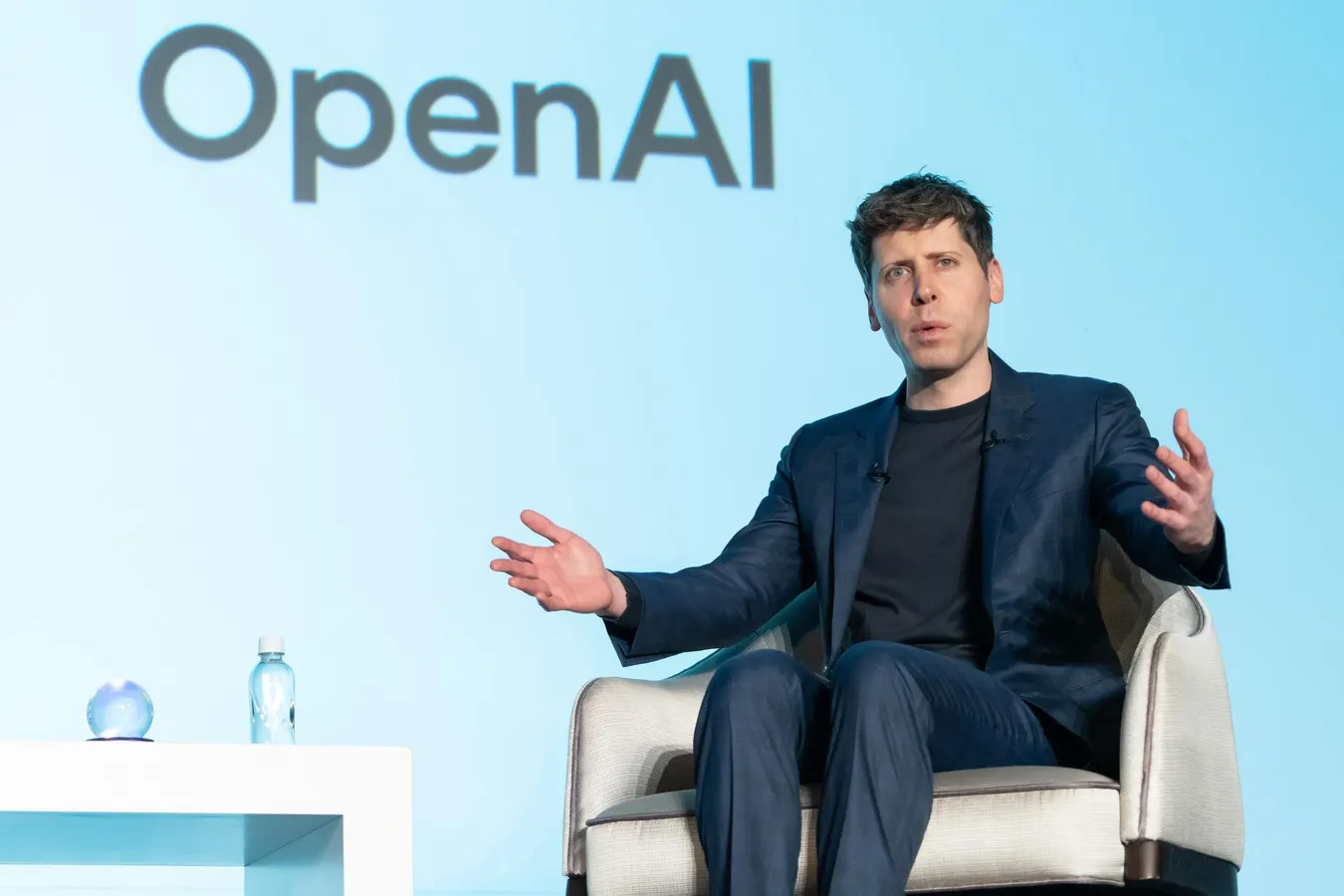
In an era defined by breakneck technological acceleration and shifting paradigms of human capability, OpenAI has officially set the stage for one of the most anticipated financial events of the decade by confidentially filing an S-1 form for an initial public offering. The announcement, delivered through a surprisingly candid and concise statement on a quiet Monday evening, was less of a polished, corporate victory lap and more of a highly pragmatic, preemptive strike. Recognizing the hyper-vigilant state of the financial press and the inevitable rumor mill that surrounds every whisper of its operations, the leadership team at OpenAI, guided by CEO Sam Altman, made the calculated decision to break the news themselves rather than letting it leak through anonymous corridors on Wall Street. By doing so, they provided a rare, humanized glimpse into the internal deliberations of a company that currently sits at the absolute epicenter of the global generative artificial intelligence revolution. In their brief communication, OpenAI openly acknowledged the ambiguity of their timeline, admitting that they have not yet finalized a specific date or season for their public debut and warning eager investors that the actual IPO might still be a long way off. They pointed to a delicate, ongoing internal debate regarding their corporate structure, noting that many of their most ambitious, resource-intensive goals—especially those concerning safety protocols, ethical deployment, and the long-term, fragile alignment of artificial general intelligence—are inherently easier to navigate away from the relentless quarterly pressures of public shareholders. This strategic, confidential filing essentially acts as a financial pressure valve for the company; it initiates the rigorous administrative process of preparing to go public, while simultaneously preserving the flexibility to delay the transition if maintaining private status remains the more viable path for their developmental philosophy. It perfectly illustrates the complex, high-stakes trade-offs that modern tech pioneers must navigate as they attempt to balance humanity-altering scientific goals with the unforgiving realities of global venture capital.
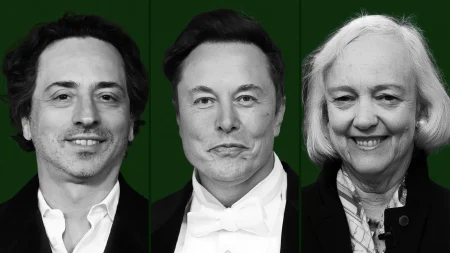
This monumental filing does not exist in a vacuum; rather, it is the latest, and perhaps most dramatic, chapter in an escalating corporate space race that is rapidly redefining the global economic landscape and the future of labor itself. Just one week prior to OpenAI’s announcement, its fiercest and most direct competitor, Anthropic—a company founded by former OpenAI researchers who departed due to philosophical disagreements over safety and commercialization—submitted its own confidential paperwork to go public. Compounding this competitive frenzy, Elon Musk’s aerospace giant SpaceX, which recently executed a massive strategic integration with his newly formed artificial intelligence venture xAI, has also initiated its own quiet preparations to enter the public markets. These parallel developments signal a massive, unprecedented paradigm shift in the technology sector, suggesting that the era of artificial intelligence being funded solely through private venture capital rounds, sovereign wealth funds, and the deep pockets of massive tech conglomerates is transitioning into a new epoch of direct public ownership and scrutiny. For months, investment banking giants Goldman Sachs and Morgan Stanley have reportedly been working tirelessly behind closed doors, advising OpenAI’s leadership on how to structure a transaction of this historic magnitude. This flurry of Wall Street activity paints a vivid picture of an industry currently locked in a state of hyper-growth, where the dominant players are simultaneously rushing to secure the unimaginable amounts of capital required to build, train, and maintain the next generation of cognitive computing models. The race to the public markets is not just about prestige or early liquid exits; it is a vital scramble for the financial scale required to survive in an ecosystem where the cost of entry is measured in tens of billions of dollars.
The physical and financial scale of these companies is, quite frankly, difficult for the average person to comprehend, representing valuations that dwarf many established, century-old multinational corporations and challenge our traditional understanding of market value. In its most recent private fundraising round, which concluded in March, OpenAI was valued at a staggering $852 billion, an astronomical figure driven by massive injections of capital from “strategic partners” that include global powerhouses like Amazon and Masayoshi Son’s SoftBank. Together, these corporate backers have poured roughly $122 billion into OpenAI’s financial reserves, providing the immense war chest needed to fuel the company’s ravenous, almost insatiable appetite for advanced computing hardware, specialized engineering talent, and electricity. However, the crown of the world’s most valuable independent AI firm has been fiercely contested in recent weeks; Anthropic recently edged ahead in this high-stakes valuation game, commanding an astonishing valuation of over $900 billion following its highly successful fundraising round in May. These eye-watering valuations reflect a profound, almost desperate collective belief among global financiers that generative artificial intelligence is not merely a passing technological trend, a flashy consumer fad, or a standard software upgrade, but a fundamental platform shift on par with the creation of the industrial steam engine or the internet itself. For everyday observers, retail investors, and institutional players alike, the prospect of these companies going public offers an unprecedented, democratic opportunity to participate directly in this economic transformation, even as cautious market analysts wonder whether these nearly trillion-dollar valuations can truly be sustained in the face of macroeconomic volatility and regulatory headwinds.
Beneath the surface of these glittering financial milestones lies a deeper, more human puzzle concerning corporate identity, moral responsibility, and the sheer logistical difficulty of building an entirely new form of intelligence. When OpenAI released its public statement, the candid phrase “there are things we want to do that are likely easier as a private company” resonated deeply with those who have closely followed the company’s tumultuous internal dynamics and leadership crises. Operating as a private entity allows a technology firm to make long-term, highly speculative bets without having to explain temporary dips in profitability, research setbacks, or costly ethical pauses to a demanding board of public directors or reactionary public index funds. The path to building artificial general intelligence (AGI) requires an extraordinary amount of patience, painstaking trial-and-error research, and rigorous safety alignment testing—activities that are fundamentally at odds with the fast-paced, profit-first, quarter-to-quarter mentality of Wall Street. By choosing to file a confidential S-1, OpenAI has cleverly positioned itself at a historical crossroads, choosing to acquire the administrative and legal readiness required for a public launch while holding onto its private status for as long as possible to cultivate its core technologies away from the public gaze. This dual strategy highlights the profound, central tension at the heart of modern Silicon Valley: the idealistic, almost mythological desire to revolutionize human civilization mixed with the cold, pragmatic necessity of securing the astronomical physical resources required to build the servers, run the data centers, and power the chips that make those dreams possible.
This dramatic move toward the public markets also occurs against a backdrop of intense personal rivalry and legal drama, most notably the high-profile feud between OpenAI’s current leadership and its early co-founder and fundamental benefactor, Elon Musk. For months, Musk waged a highly visible and aggressive legal battle against OpenAI and its charismatic CEO, Sam Altman, accusing the company of betraying its original, altruistic founding mission in pursuit of corporate greed. Musk, who helped establish the organization as a non-profit research lab in 2015 and sat on its initial board of directors, argued that OpenAI had abandoned its sacrosanct commitment to developing open-source, civilian-controlled technology for the benefit of all humanity in favor of a highly commercialized, profit-seeking partnership with Microsoft. However, this legal dark cloud was decisively lifted in May when a California judge officially dismissed Musk’s lawsuit, agreeing with a jury that the billionaire had waited far too long to file his legal claims against his former colleagues. The resolution of this bitter and distracting legal dispute removed a major cloud of uncertainty for OpenAI, clearing a vital legal pathway toward the public markets by reassuring potential institutional investors that the company’s corporate structure, intellectual property rights, and commercial spin-offs were legally secure. This legal victory not only validated Altman’s controversial strategic pivot toward a commercialized, “capped-profit” model but also underscored the complex, often disappointing reality that bringing world-changing technology to fruition often requires parting ways with the romanticized, open-source ideals of non-profit research in favor of the hyper-scalable reality of modern capitalism.
As the world watches OpenAI prepare for this historic transition, significant questions remain regarding the company’s actual path to sustainable profitability and long-term viability in a wildly competitive market. Last year, the organization brought in an impressive $13 billion in revenue, driven largely by premium subscriptions for ChatGPT and lucrative enterprise licensing agreements, and optimistic internal projections suggest they hope to triple that figure by the year 2026. Yet, beneath these glittering projections, a more sober and complex financial reality has begun to emerge; recent financial reports indicate that OpenAI missed some of its internal revenue and user acquisition targets earlier this year, casting a shadow of doubt over its ability to maintain its breakneck growth curve in the face of user fatigue and emerging alternatives. Furthermore, the cost of maintaining their technological lead is unfathomably high, with the company currently projected to spend billions of dollars on constructing and operating massive, power-hungry data centers to train their increasingly complex Large Language Models. In a market where competitors like Google, Anthropic, and Meta are offering rapidly improving, sometimes free open-source alternatives, the pressure on OpenAI to continuously innovate while managing skyrocketing operational costs is immense. Ultimately, OpenAI’s journey to the public market will be far more than just a landmark transaction on Wall Street; it will be a historic stress test of whether a company dedicated to reshaping the very fabric of human intelligence can successfully balance physical realities, the insatiable demands of global capital, and the ethical responsibility of guiding humanity safely into an automated future.