


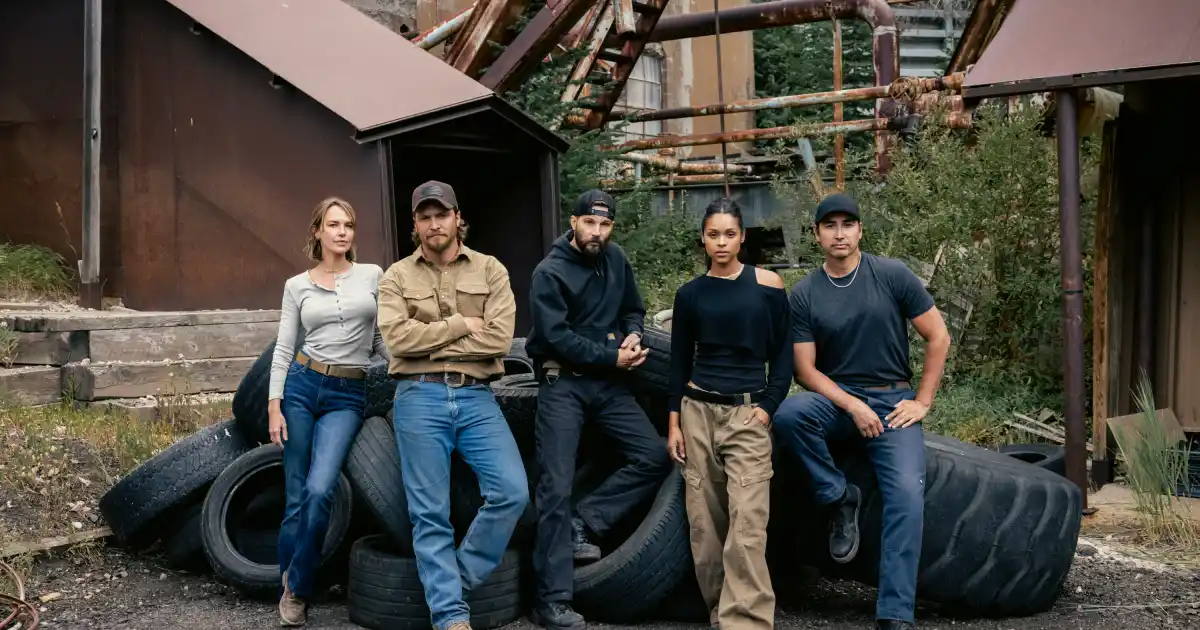
When the curtain fell on the monumental saga of Yellowstone in 2024, it marked the end of an era for television, leaving behind a massive, open-skied void in the hearts of millions of viewers who had spent years invested in the turbulent lives of the Dutton family. However, the sprawling, unforgiving wilderness of Montana was far from finished telling its stories, and from the ashes of the flagship series rose a compelling new narrative chapter: the CBS spin-off, Marshals. Premiering in May of that same year, the series bravely shifted focus away from the hyper-focused survival of the Dutton Ranch to explore a broader conflict, positioning Luke Grimes’ beloved character, Kayce Dutton, in a dynamic and highly challenging new role. Stripping away the protective, insular walls of the family empire, the show thrust Kayce into the intense, high-stakes jurisdiction of an elite branch of the U.S. Marshals Service. Here, the former Navy SEAL and lifetime cowboy must utilize every single ounce of his specialized survival skills and moral grit to bring order to a frontier plagued by modern lawlessness. As the show prepares to make its highly anticipated transition into its sophomore season, the surrounding hype is not merely focused on the adrenaline-fueled action, but on the deeply human stories of the fractured individuals who populate this violent domain, forcing audiences to wonder who will survive the psychological and physical wreckage left behind by the devastating events of the first-season finale.
At the absolute center of this storm stands Luke Grimes as Kayce Dutton, a character whose entire life has been defined by a desperate, agonizing search for peace amid a cycle of relentless chaos. For years, fans watched Kayce struggle to balance his loyalty to his father’s legacy with his desire to forge a quiet, decent life for his wife and son, and Marshals represents the natural, albeit tragic, culmination of that struggle as he leaves the ranch behind to face a different kind of war. His return for the second season is the ultimate anchor of the series, ensuring that the show maintains its deep emotional connection to the original Yellowstone lore while forging a completely separate path of redemption. This path is rendered even more perilous by the confirmed return of his young son, Tate, played with heartbreaking vulnerability by Brecken Merrill. Tate’s journey has been one of the most poignant aspects of the entire franchise; having survived kidnappings, physical trauma, and the ambient terror of his family’s lifestyle, he represents the innocence that Kayce is constantly fighting to preserve. The season one finale put Tate’s life in extreme jeopardy once again, leaving fans breathless with anxiety, and his survival in season two promises to push the father-son dynamic to its absolute limit, exploring whether a parent can ever truly shield their child from the violent legacy of the frontier.
While the Dutton bloodline remains the emotional core, the tactical backbone of the series is comprised of a tight-knit squad of marshals whose fates were left hanging in the balance during a catastrophic raid in the season one finale, creating an atmosphere of intense speculation regarding who will actually survive to see the season two premiere. Specifically, the lives of Cal, portrayed with a brilliant, unpredictable energy by Logan Marshall-Green, and Belle, played by the multi-talented Arielle Kebbel, are currently shrouded in life-threatening ambiguity following a tactical siege that went horribly wrong. Marshall-Green has spent the first season crafting Cal as a beautifully flawed, operating-at-the-edge archetype whose rugged competence is constantly at war with his internal demons, making him a perfect foil to Kayce’s stoic, calculated leadership style. Similarly, Kebbel’s Belle has served as a crucial intellectual and emotional anchor for the unit, balancing the heavy masculinity of the field with a sharp, empathetic pragmatism that makes her character deeply relatable. The cliffhanger shooting that ended their season-one arcs left their ultimate survival entirely up in the air, creating a tangible sense of dread among the fanbase; if either of these characters is written out of the show, it will fundamentally shatter the fragile chemistry of the tactical unit, proving that in the world of Marshals, no one is truly safe from the sudden, shocking reality of a bullet.
In stark contrast to the physical danger faced by the tactical team, the emotional crossroads of Ash Santos’ character, Andrea, introduces a quiet, devastatingly realistic perspective on the cost of living on a modern-day frontier. Throughout the first season, Andrea served as a grounding presence, but as the relentless wave of violence and systemic corruption began to hit closer to home, her character arc evolved into a profound exploration of self-preservation versus professional loyalty. By the time the credits rolled on the finale, Andrea was actively contemplating packing up her life and leaving the state of Montana entirely, a narrative choice that highlights the psychological toll of fighting a war that never seems to end. Santos’ nuanced performance captures the quiet exhaustion of a professional who realizes that sometimes, the most heroic thing an individual can do is walk away from a toxic, destructive cycle before it completely consumes them. Whether Andrea decides to stay and fight alongside her colleagues or choose her own peace of mind by leaving the Big Sky Country, her storyline remains one of the most humanized aspects of the series, reflecting the genuine, unglamorous fatigue felt by real-life law enforcement officers and emergency responders who are forced to witness the darkest corners of humanity on a daily basis.
Crucially, the sophomore season of Marshals will continue to maintain and honor the deeply vital cultural roots of the region through the confirmed returns of three powerhouses from the original Yellowstone universe: Tatanka Means as Miles, Mo Brings Plenty as Mo, and the incomparable Gil Birmingham as Thomas Rainwater. For years, these actors have provided a necessary, brilliant counterweight to the dominant ranching narratives, ensuring that the historical complexities, struggles, and triumphs of the native peoples of the Broken Rock Reservation are treated with the dignity and narrative weight they deserve. Gil Birmingham’s Rainwater remains a masterclass in strategic leadership and enduring resilience, a man who understands that justice is a long, generational game, while Mo Brings Plenty’s quiet, lethal capability and profound spiritual wisdom offer a grounding influence in a world spinning out of control. With Tatanka Means returning as Miles to bring his sharp, contemporary energy to the fold, the preservation of this specific ensemble ensures that the show does not devolve into a mindless, generic police procedural. Instead, their presence guarantees that Marshals will continue to tackle the complex, overlapping jurisdictions, historical traumas, and systemic challenges that define law enforcement on tribal lands, lending the show a unique, authentic richness that sets it far apart from its contemporaries.
Ultimately, as Marshals gears up for its highly anticipated sophomore season, it stands as a triumphant testament to the enduring power of character-driven storytelling, proving that a spin-off can respect its origins while boldly charting its own path. The overarching theme of the series has always been the “high psychological cost” of serving as the last line of defense in an environment where the boundary between justice and vengeance is constantly blurred by the dust of the Montana plains. By focusing deeply on the human element—the fear of a father, the exhaustion of a weary officer, the survival instincts of endangered teammates, and the centuries-old resilience of indigenous communities—the show transcends the typical tropes of the Western genre to deliver something far more empathetic and profound. When season two finally returns to CBS, audiences will tune in not just to see the resolution of explosive cliffhangers or to witness thrilling gunfights, but to watch these beautifully flawed, deeply human characters attempt to heal their wounds, protect their families, and find a semblance of peace in an unforgiving world that demands everything they have to give.