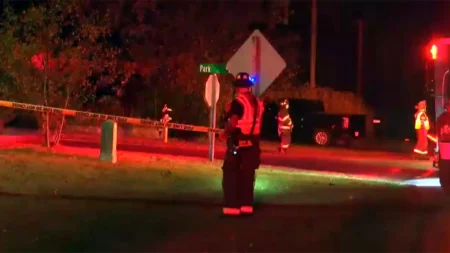


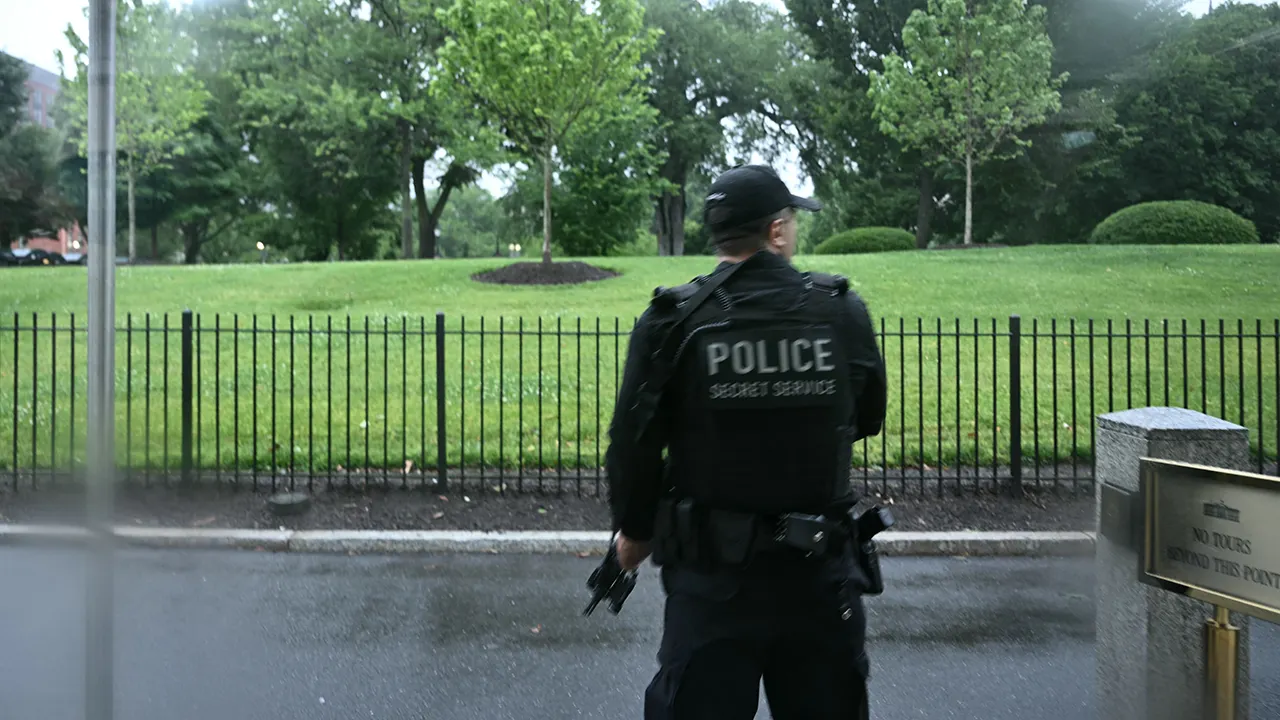
On what began as a deceptively quiet Saturday afternoon in the nation’s capital, the historical tranquility of Pennsylvania Avenue was shattered in an instant, transforming the heart of American democracy into a frantic scene of tactical urgency and raw human fear. Washington, D.C., with its marble monuments and manicured lawns, is a city accustomed to the weight of global decisions, yet nothing quite prepares the human psyche for the visceral shock of gunfire echoing through the corridors of power. Reports indicate that as many as thirty gunshots rang out near the iconic Eisenhower Executive Office Building, a massive and ornate French style structure that stands adjacent to the West Wing. For the staff, journalists, and security personnel who populate this high-stakes ecosystem, the sudden, sharp cracks of ammunition were not merely abstract background noise; they represented an immediate, terrifying threat to survival. In a heartbeat, the routine bustle of a weekend shift was replaced by the high-pitched alarms of a security apparatus thrust into action, as the peaceful atmosphere evaporated under the weight of an active emergency. The immediate perimeter around the executive mansion was sealed off, creating an island of isolation where every second felt stretched to its absolute limit. Those walking near the grounds described a sudden, chilling realization that the unimaginable was unfolding right before their eyes, as the comforting illusion of absolute safety within the most heavily guarded complex on earth was momentarily stripped away. The physical environment itself seemed to freeze, caught between the historical gravity of the architecture and the chaotic, unpredictable nature of a modern threat. This sudden interruption of peace served as a stark reminder of the fragile line that separates daily administrative routine from the life-or-death realities of national security, leaving everyone within earshot to grapple with the terrifying unknown that had suddenly pierced their secure world. As news began to filter out to a stunned public, the internal tension grew palpable, turning a standard weekend afternoon into a trial of patience and nerves.
As the echoes of the gunfire reverberated across the asphalt, the immediate human drama shifted to the journalists and media professionals clustered within the White House grounds, who were suddenly forced to trade their roles as detached observers for those of vulnerable participants in an unfolding crisis. Correspondents, who only moments earlier had been typing out routine analytical dispatches or sipping coffee between briefings, found themselves caught in a whirlwind of panic and professional discipline. Secret Service agents, their voices raw with an urgency born of rigorous training and genuine survival instinct, barked commands across the lawns, shouting for the members of the press to “get down” and seek shelter immediately. The frantic scramble that followed saw seasoned reporters, camera operators, and producers dropping to the floor or rushing in a blur of motion toward the Brady Press Briefing Room in the West Wing. This small, historically significant room, which normally serves as the arena for fierce intellectual debates and policy scrutiny, suddenly transformed into a makeshift fortress of refuge. Inside, behind locked doors and under the protective custody of heavily armed agents, the atmosphere was thick with a mixture of professional focus and personal dread. Journalists huddled together, clutching their phones to send hurried messages to spouses, partners, and children, attempting to offer comfort while still trying to gather whatever scrap of information they could about the developing situation outside. The hum of whispered conversations, the frantic tapping of keyboards, and the low murmur of televisions displaying breaking news of their own lockdown created a surreal capsule of collective anxiety. Here, in this fraught, highly pressurized environment, the division between those who record history and those who live through its most terrifying chapters completely dissolved. Every individual present became acutely aware of their own fragile mortality as the structural barriers protecting them felt incredibly thin, leaving them to wait in a state of suspended animation, earnestly hoping for a resolution that would ultimately restore physical safety and order to their daily lives.
Outside the briefing room, across the lawns and paved driveways of the executive complex, the human shields of the presidency were executing their duties with an intense, quiet focus. Secret Service agents, instantly recognizable yet transformed by the gravity of the threat, were seen traversing the grounds with weapons drawn, their eyes scanning every window, rooftop, and tree line for potential assailants. Beneath the tactical gear and the stoic, professional exteriors lay individuals who had sworn an oath to put their lives between danger and the office of the President, and that oath was now being tested in real-time. The sheer speed with which they transitioned from analytical monitoring to active tactical defense highlighted the immense psychological pressure these men and women endure daily. Every movement was calculated, every weapon aimed with the precision of individuals who knew that a single misstep could lead to catastrophe. To see these guardians with weapons drawn on the very grass where diplomatic ceremonies are held was a visual shock to the public, a jarring juxtaposition of domestic tranquility and military-grade readiness. As they established a protective perimeter, the agents had to balance their immediate tactical objectives with the profound responsibility of securing not just a physical space, but the symbolic heart of the executive branch. This was not a drill; the sweat on their brows and the tight grip on their firearms were human testaments to the gravity of a situation where up to thirty rounds of ammunition had violated the airspace of the presidency. Their training took over, but the underlying human reality was one of intense, exhausting alertness as they searched for the source of the violent threat, gladly prepared to lay down their own lives to ensure that safety could be very swiftly restored. In these crucial moments, the shining badges felt significantly heavier than ever, reminding everyone that the safety of the entire nation depends on those willing to stand between innocence and harm at a single moment’s sudden and terrifying notice.
Adding a profound layer of historical and geopolitical irony to the unfolding chaos was the fact that only hours earlier, President Donald Trump had been standing in the very same building making a monumental announcement. Speaking from the historic Oval Office, which is the epicenter of American executive authority, the President had shared with the world that his administration was close to finalizing a major, highly anticipated deal to de-escalate tensions and potentially end the volatile conflict with Iran. The announcement was meant to be a triumph of diplomacy, a moment of profound relief for a global community weary of war and the constant threat of international conflict. The human effort that had gone into hammering out such an agreement, involving countless hours of diplomatic negotiations, strategic debates, and political posturing, was meant to be the focus of the weekend’s news cycle. Instead, the narrative of international peacemaking was abruptly and violently interrupted by the deafening sound of domestic gunfire right outside the executive’s windows. This sudden shift from global diplomat to a commander-in-chief under lockdown encapsulated the chaotic, unpredictable nature of the modern presidency, where the weight of global leadership must constantly coexist with the immediate, visceral threats of local violence. The President’s presence in the Oval Office during the security breach underscored the raw vulnerability of even the most powerful leaders on earth, reminding civilized society that no amount of geopolitical influence can fully shield a human being from the random, destructive acts of an individual with a firearm. It highlighted the incredibly fragile nature of peace, demonstrating how a leader can be actively shaping the destiny of global relations one moment, and then thrust into a state of personal confinement and absolute security containment the next. The stark contrast between the hope of ending an international war and the violent reality of local gunfire served as a lesson in the complex challenges that confront modern leadership, showcasing the relentless vulnerability that accompanies the exercise of power on the global stage.
Beyond the iron gates and limestone walls of the White House, the news of the shooting and the subsequent lockdown rippled through a deeply anxious public and a global community already on edge. In an era dominated by instantaneous digital communication, word of the gunfire spread like wildfire across social media platforms, transforming a localized security incident into a shared global event of collective worry. Families of White House staff members, from domestic assistants to senior administrators, waited in agonizing silence for text messages confirming that their loved ones were safe inside the reinforced structure. The human cost of political service was suddenly brought home to hundreds of households, where the prestigious nature of working at 1600 Pennsylvania Avenue was overshadowed by the primal fear of losing a parent, sibling, or spouse to an act of senseless violence. Meanwhile, the broader public grappled with the unsettling symbolism of a nation’s executive mansion under siege, an event that seemed to mirror the deep, underlying tensions that define the contemporary sociopolitical landscape. The realization that gunfire could erupt so close to the President, especially on the heels of a major foreign policy breakthrough, sparked intense speculation and a sense of shared vulnerability. People watching from their living rooms across the country were forced to confront the reality that even the most fortified symbols of national strength are inhabited by ordinary human beings who experience fear, vulnerability, and danger just like anyone else. This collective anxiety served as a strong reminder of how deeply connected the public is to the safety of their leaders and public servants. It illustrated that when the very home of the presidency is placed on high alert, a portion of the national consciousness enters lockdown too, anxiously waiting in silent suspense. This profound connection emphasizes that national security is not just about physical defensive structures or military force, but is deeply entwined with the psychological peace of the citizens who trust these institutions to remain strong in moments of absolute crisis.
As the minutes slowly turned into hours and the immediate, frantic crisis began to settle into a structured investigation, the psychological aftermath of the lockdown began to take shape, revealing the quiet resilience that defines the human spirit in the wake of sudden trauma. The physical seals on the doors were eventually eased, and the heavy silence of the Brady Press Briefing Room was replaced by the low, determined murmurs of journalists returning to their duty of detailing the truth to a waiting public, with a renewed sense of purpose. The Secret Service agents, their weapons eventually holstered but their vigilance undiminished, continued their meticulous sweep of the grounds, transitioning from tactical defense to forensic investigation, seeking answers to how such an event occurred on these hallowed grounds. For everyone involved, from the President locked safe within the inner sanctum of the West Wing to the reporters who spent hours huddled on the floor, the return to relative normalcy would be a slow and reflective process, marked by the lingering memory of those thirty terrifying shots echoing through the Saturday afternoon air. This developing story, while presenting a stark and frightening picture of real-time violence, ultimately highlights the enduring strength of the community of public servants, journalists, and security professionals who keep the wheels of government turning, even when their very lives are placed on the line. As the world continues to check back for official updates and the physical barricades around Pennsylvania Avenue are gradually dismantled, the deeper narrative remains one of sheer human survival, a testament to the courage of those who face sudden danger with cool, professional grace, and a quiet, collective resolve to ensure that the vital, everyday work of democracy continues uninterrupted, standing incredibly strong against whatever chaos may threaten it from the outside. Ultimately, this brief period of terror will not be remembered just for the shots fired, but for the profound unity and unprecedented resilience demonstrated by all those who stood firm in the face of fear.