


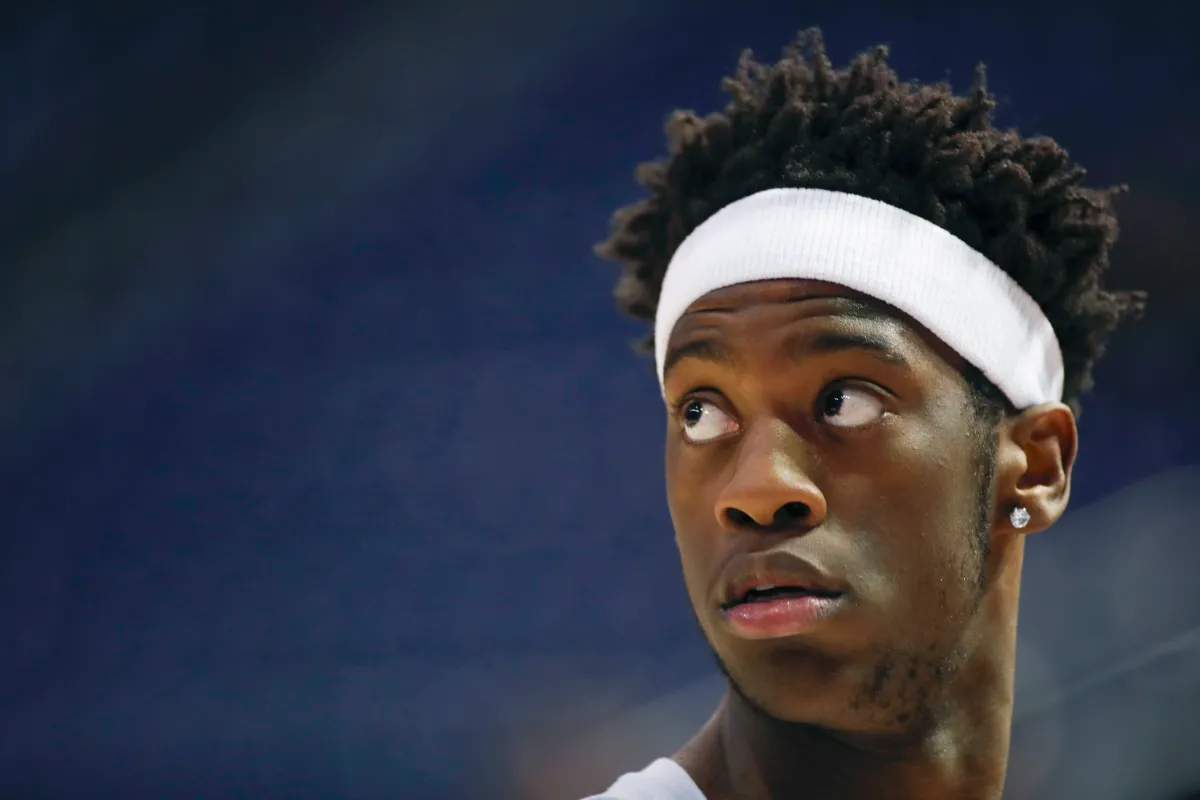
The Allure of AJ Dybantsa: Why the Utah Jazz Are Head Over Heels
Hey there, basketball fans! If you’re tuned into the NBA buzz, you’ve probably heard the whispers and shouts about AJ Dybantsa. It’s no secret that the Utah Jazz have a serious crush on this monster talent emerging from the college ranks. Picture this: a massive, lightning-fast supernova who can dish out assists like a playmaker extraordinaire, yet effortlessly drop 40 points when the game’s on the line. Dybantsa’s got that perfect blend of size, athleticism, and finesse that makes coaches drool and fans cheer. We’ve seen players like this before—guys who turn a sleepy crowd into a roaring madhouse, drawing comparisons to the legends who defined eras. Imagine Dybantsa three years down the line: signature sneakers in every shoe store, a nickname that rolls off the tongue like “The Dwarf” or “The Greek Freak,” and tickets to Utah games turning into the hottest commodity in the state. But is this just wishful thinking, or could the Jazz make it a reality? In Utah, where basketball is like oxygen for some folks, Dybantsa’s appeal is personal. Born in Massachusetts—yeah, that’s right, not even a native—but he ended his high school run at BYU, suiting up for the Cougars in college. That local connection makes him feel like family, even if he’s flown in from afar. It’s the kind of story that writes itself: a kid from the East coast becomes Utah’s golden boy, blending skill with that intrepid spirit that Salt Lakers love. The Jazz front office must be giddy just thinking about it, envisioning marquee battles and playoff runs fueled by homegrown energy. And let’s not forget his playing style—versatile enough to anchor a team, efficient enough to change games. Off the court, Dybantsa’s reputation as a grinder promises loyalty and effort, which is huge in a league where many stars burn out from selfishness or injuries. Critics might say he’s unproven on the NBA stage, but that’s the thrill of the draft: potential is a blank canvas. The Jazz, with their up-and-coming core, could use that canvas to paint masterpieces. We’ve got players who could complement him perfectly, turning potential into pizzazz overnight. The excitement around Dybantsa isn’t just hype; it’s a cultural shift waiting to happen. Utah fans deserve this kind of spark after years of rebuilding. Picture viral tiktoks of Dybantsa highlights, fan art flooding social media, and local businesses renaming streets after him. That’s the human side of the game—the way a single player can unite a community, inspire the next generation, and make Mondays feel like Sunday fundays. If the Jazz can snag him, Dybantsa’s not just a player; he’s a movement. And in a sport where every pick feels like destiny, who wouldn’t want that energy in their locker room? It’s why the Jazz aren’t just watching the draft; they’re plotting, dreaming, and scheming for this human dynamo.
Comparing Pros: Dybantsa vs. Peterson in the 2026 Draft Spotlight
Now, let’s lay it out: while the Jazz are swooning over AJ Dybantsa, the 2026 NBA Draft isn’t a one-man show. Enter Darryn Peterson, the Kansas Jayhawks’ standout who’s often pitted as Dybantsa’s chief rival come draft time. Peterson’s ceiling? Off the charts. He’s got that Kobe Bryant aura—defensive wizardry, scoring flare that can light up any scorer’s box—and when he’s locked in, he’s unstoppable. Injuries and inconsistency marred his college run, though, raising eyebrows about his passion and reliability. Was it a lack of fire, or just the wear and tear of high college expectations? Questions linger, and that’s why consensus picks have Peterson slipping to second if Dybantsa goes No. 1 overall. It’s a human drama unfolding on the court: Dybantsa’s unyielding dedication versus Peterson’s flashes of brilliance shrouded in doubt. Dybantsa, on the other hand, pushed his body to the brink for BYU, playing through pains that probably screamed for rest. That’s the hustle gene, folks—the kind that builds team chemistry and earns locker room respect. Imagine him in the NBA, where games are longer and stakes higher; his endurance could be the differencemaker. But don’t sleep on Peterson; if he finds his groove, he could become a franchise cornerstone with elite defense and scoring that redraws all-star maps. Yet, for Utah, Dybantsa’s story resonates deeper. His one season at BYU wasn’t just stats—it was grit, proving he’s not afraid to bleed for the team. Fans relate to that; basketball isn’t just about superhuman feats, it’s about relatable heroes who feel the strain and push through. Peterson’s hype is fading in some circles because the flashes didn’t translate to consistency, while Dybantsa’s steady rise feels authentic, like a favorite underdog story. The draft buzz is electric, with analysts debating who fits where. A team like the Grizzlies might covet Dybantsa’s size and athleticism for big-man battles, while the confident Wizards could see Peterson as their defensive vanguard. But for the Jazz, holding the second pick, it’s a tantalizing gambit. Would they risk it all to move up for Dybantsa if he drops? The consensus says maybe not, but drafts are unpredictable, shaped by scouting reports, workouts, and those gut feelings coaches trust. Humanizing the debate: These aren’t just prospects; they’re young men with dreams, families cheering from sidelines, and careers hinging on one night’s decisions. Peterson’s injury history adds a layer of empathy—we’ve all battled setbacks—but Dybantsa’s resilience makes him inspiring. It’s why sports aren’t black and white; it’s about who clicks with a franchise’s ethos. Utah’s steady-build mentality aligns with Dybantsa’s no-frills play ethic, while high-flyers might suit Peterson better. The 2026 class feels stacked, with echoes of past drafts where one pick defined decades. Fans obsess over this, trading mock drafts like baseball cards in a never-ending game of what-if. Dybantsa represents stability in a league chasing chaos, while Peterson promises fireworks but with risk. Ultimately, the Jazz’s choice could redefine their identity, turning a generation’s worth of loyalty into future glory. It’s exhilarating stuff, blending strategy with emotion in the most human way.
Utah’s Draft Dilemma: Trading Up or Trusting the Spots?
Peeling back the layers, the Utah Jazz find themselves in a fascinating pickle as the 2026 NBA Draft approaches. They’re blessed with the No. 2 overall pick, thanks to some savvy trades or lottery luck (depending on who you ask), but with Dybantsa potentially slipping to them, the question becomes: How far are they willing to go to secure the No. 1 for the Colorado College star? It’s a chess game where passions collide with pragmatism. The consensus has Dybantsa atop many big boards—scouts rave about his 6-foot-9 frame, explosive hops, and decision-making that could rival point guards. Yet, no one’s locking in any guarantees; drafts are like high-stakes poker, with one bad workout or media narrative shifting tides. For Utah, trading up isn’t just about talent—it’s about heart. Dybantsa embodies the intrepid pioneer spirit, playing his college ball in Colorado before making the leap, and fans see him as the bridge between youthful talent and established stars. Would the Jazz halt their rebuild early to chase this dream? It depends on their long-term vision. With veterans like Lauri Markkanen and young guns like Walker Kessler and Jaren Jackson Jr. in the fold, they could afford to gamble on a cornerstone. Imagine the narratives: Dybantsa, the Utah kid through and through (Massachusetts roots be damned), becoming the face of the franchise overnight. It’s a beautiful, feel-good story that marketing departments dream of—posters in every tavern, jerseys sold out in hours, and local pride swelling like a high-altitude climb. But trading up means giving up assets, and Utah isn’t exactly flush with tradable stock after recent dealings. It’s risky, exposing the franchise to what-ifs like Dybantsa not panning out or other prospects shining brighter in hindsight. Fans debate this feverishly online, some screaming for boldness, others urging patience. The human element shines here: Coaches and GMs aren’t robots; they’re passionate folks who pour their lives into this game, weighing legacy against logic. Dybantsa’s appeal isn’t purely statistical—it’s his ability to inspire, to make teammates better through his selflessness. Draft nights often feel communal, with whole cities glued to screens, holding breath for their team’s fate. Utah’s decision could cement them as risk-takers or prudent builders, and that’s what keeps fans coming back for more. In a league where the Los Angeles Lakers dynasty started with one big pick, why not Utah? Yet, skepticism reigns; what if Peterson proves the sturdier choice, with his all-around game leading an era of dominance? It’s a delicate balance, humanized by the stories behind the stats—the late-night workouts, the family sacrifices, the dreams of lifting hardware. If the Jazz play it safe and let Dybantsa drop, they might regret not making a statement. If they swing big, it could be the spark that ignites a decade of excellence.
The Bold Trade Proposal: Swapping for the Wizards’ Pick with Ace Bailey
Diving deeper into the speculation, picture this wild yet intriguing scenario: The Utah Jazz, desperate to ensure AJ Dybantsa doesn’t slip away, could dangle their own top prospect, Ace Bailey, in a trade to acquire the Wizards’ No. 1 pick. It’s out there, folks, but in the cutthroat world of draft strategy, it’s not unthinkable. The Wizards, holding that coveted top spot, might covet Bailey, a young gun who’s already tasted NBA success in his rookie year—decent stats, defensive instincts, and upside to be a future All-Star. In return, Utah gets a shot at Dybantsa, rebranding him as the prodigy who went from Colorado college hero to league sensation. It’s a swap that fuels endless fan fiction: Bailey blossoming in Washington with their star-studded roster, while Dybantsa becomes Utah’s beloved son, playing out his career in the state that claimed him. Marketing-wise, it’s pure gold—Utah’s promotional team could spin Dybantsa as the true homegrown talent, his Massachusetts backstory a quirky footnote in the heartwarming saga. With Markkanen, Kessler, Jackson Jr., and now Dybantsa, the Jazz field a giant constellation of talent, an identity forged in the mountains. No more waiting; instant face of the franchise, rallying cries echoing through Vivint Arena on game nights. Bailey’s departure would sting, sure—he’s got that raw potential that could evolve into special, a rebounder-shooter duo waiting to explode. But if the Jazz view Dybantsa as the franchise savior, is Bailey’s sacrifice too steep? Trade proposals like this highlight the human side of GM decisions: weighing personal attachments to prospects against the bigger picture. Bailey’s first NBA season was promising, but injuries or development hurdles could derail him, making him a fair pawn. Dybantsa’s story resonates more personally—his relentless push for BYU mirrors the Jazz’s culture. Fans, immersed in these hypotheticals, debate passionately: Is giving up Bailey worth the risk for a player who might redefine Utah basketball? The Wizards, stuck in rebuild mode, could use a boost like Bailey to compete sooner, while Utah secures a narrative boost. It’s opportunistic, emotional, and emblematic of how trades aren’t just about wins—they’re about stories that bind communities. The buzz around this deal would ignite social media, with mock scenarios going viral. Imagine Dybantsa’s jersey day, crowds chanting his name like a local hymn. Yet, Bailey’s potential loss feels tangible; folks who’ve followed his rookie arc sympathize, wondering if Utah’s jumping the gun. Ultimately, it’s a gamble on Dybantsa’s ceiling, humanizing the sport’s strategic depth.
Building Instantly: Dybantsa’s Role in Jazz’s Bright Future
Envisioning AJ Dybantsa in Utah is like looking at a family portrait of success. Squint a bit, and you see him towering at 6-foot-9, orchestrating plays beside Lauri Markkanen, Walker Kessler, and Jaren Jackson Jr.—a quartet of giants that could dominate for years. Dybantsa’s potential isn’t just hype; it’s transformative. His ability to score big, create for others, and defend with athleticism fills the void the Jazz have been craving. Instantly, the franchise has an identity: high-energy, versatile ball movement that turns the pace-and-space offense into a symphony. Fans, who’ve endured rebuild pains, would latch onto Dybantsa fiercely. He’s the relatable hero—pushing through injuries for BYU, proving passion over flash. Utah’s state would rally, with community events, charity drives, and schools naming gyms after him. It’s human magic: A player uniting a valley, inspiring kids to chase dreams. Off-court, Dybantsa’s story bonds with locals—perhaps a film about his journey from Massachusetts prodigy to Utah icon. With this core, playoff runs feel inevitable, Westbrook-style plays becoming routine. Dybantsa’s efficiency compliments the bigs’ stretch, creating mismatches galore. In a league valuing size, his frame is a weapon. Psychologically, he’s the steady force, fostering team unity like coach Quin Snyder’s ideals. Marketing ties him to Utah’s outdoorsy vibe—think branding as “Mountain Maverick.” Docherty and Co. could craft narratives of resilience, appealing beyond basketball. Is Bailey’s trade worth this utopia? Absolutely, if Dybantsa’s ceiling is limitless. He’s poised for stardom, with skills that age like fine wine. Barring tragic low, Dybantsa anchors eras. Fans yearn for it, discussions in bars or online buzzing. It humanizes hoop dreams: Dybantsa isn’t pixels—he’s a son, brother, friend with aspirations. Utah gains more than a player; a legacy builder. Instant franchise face? Yes, with statewide embrace. It’s worth every asset if belief is firm.
Is It Worth It? The Final Verdict on Chasing Dybantsa
So, pondering the Jazz’s pursuit of AJ Dybantsa, we circle back to the crux: Is trading assets like Ace Bailey for the No. 1 pick a no-brainer, or a colossal gamble? If the front office deems Dybantsa a true franchise cornerstone, the answer leans toward yes, without a hint of hesitation. He’s the missing link in Utah’s puzzle, blending skill, grit, and state heart to forge an era-defining team. Giving up Bailey, a promising rookie, stings, but specialization means recognizing when to pivot. Dybantsa’s passion, exhibited in his BYU days, assures he won’t just fill stats but heal basketball wounds. Utah’s identity shifts to dynamic dominance, with instant rallies and ticket frenzy. Humans crave such narratives—players as symbols, uniting communities. Dybantsa represents hope, his ceiling eclipsing concerns. Fans, analytical yet emotional, back the move, envisioning parades and rings. Risks exist, yet rewards outweigh them. In sports’ grand play, bold decisions like this define legends. Is it worth it? For Utah, with Dybantsa, it absolutely is.