

The Long Shadow of Loss: A Mother’s Unanswered Call
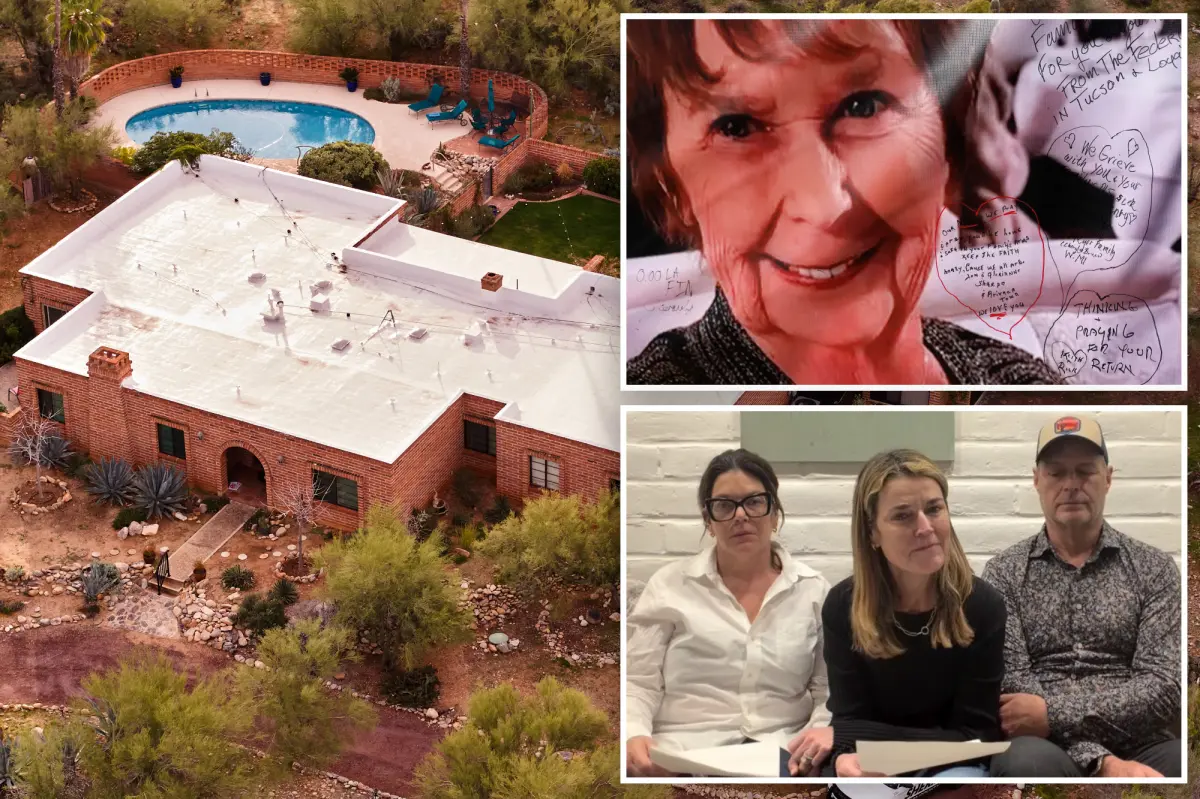
Nancy Guthrie, an 84-year-old grandmother from Tucson, Arizona, vanished into the night on February 1, marking the beginning of a nightmare that has now stretched over 100 days. Her daughter, Savannah Guthrie, the beloved host of NBC’s “Today” show, has been thrust into the spotlight not just as a TV personality but as a grieving family member desperately pleading for answers. From her bustling New York studio, Savannah has shared heartfelt appeals, her voice cracking with emotion as she describes her mother— a vibrant, independent woman who loved her garden, her books, and her quiet life in the desert southwest. Nancy’s home, once a sanctuary of warmth and laughter, now echoes with emptiness. The abduction, captured in chilling detail by her doorbell camera, showed a masked intruder lurking like a predator in the shadows. Blood spatters on the doorstep hint at a struggle, a visceral reminder that violence tore this elderly woman’s life apart. As the investigation grinds on, authorities cling to a single thread of hope: a strand of DNA recovered from the scene. This tiny fragment of genetic code, meticulously preserved, is now under microscopic scrutiny at the FBI’s advanced crime lab in Quantico, Virginia. Unlike the flashy forensics of television thrillers, the real work here is painstaking, methodical, and slow— scientists painstakingly sequencing bases, comparing profiles, and constructing vast family trees that could potentially link an unknown suspect to the crime. Law enforcement sources whisper that the testing is ongoing, with no results yet, but each day brings the possibility of a breakthrough. It’s a race against time, fueled by the gut-wrenching reality that Nancy could still be out there, somewhere, needing rescue. For her family, the 100-day milestone isn’t just a timeline; it’s a heartache deepened by sorrow, a constant reminder of the fragility of human security. Savannah pens emotional posts on social media, rallying her audience to spread awareness, her words painting a picture of a mother-daughter bond that time and distance only strengthened. “Mom, you’re tough, you’re smart,” she writes, her public vulnerability a raw human touch in this digital age. Back in Tucson, neighbors who once exchanged smiles with Nancy over fences now keep their doors locked tighter, their lives tinged with fear. The FBI agents, often unseen heroes, pour late nights into this puzzle, their dedication born from personal commitment—many of them have elderly parents of their own. Retired agent Jason Pack recalls similar cases, emphasizing that justice isn’t swift; it’s built on accuracy, where a single error could free a monster. Every swab, every sample, tells a story of potential justice, humanizing the science into a quest for closure.
The Path of the Evidence: A Rocky Road to Justice
What began as a local mystery quickly unraveled into a jurisdictional tangle that highlights the complexities of law enforcement cooperation. In the immediate aftermath of Nancy’s disappearance, Pima County Sheriff’s detectives seized the DNA evidence—a seemingly straightforward move in their bid to solve the case swiftly. Eager to maintain control, they opted to send it to a private lab in Florida, bypassing the FBI’s initial offer to handle it at their state-of-the-art facility in Arizona. This decision, critics argue, stemmed from pride and protocol, but it inadvertently delayed the process, casting a shadow over the investigation’s early days. Weeks ticked by, each day a torment for Nancy’s loved ones, as the sample languished in transit and testing queues. Only after relentless advocacy from federal partners did the evidence finally land on the FBI’s doorstep, where experts with years of forensic mastery took over. The private lab’s interim involvement underscores a broader human element: desperate sheriffs clinging to autonomy, perhaps fearing being overshadowed by the feds’ might. Leising, a former FBI agent in Arizona, reflects on how such decisions can stem from ego rather than evidence, drawing parallels to his own field experiences where local pride often clashed with efficiency. Imagine the frustration of the lab technicians in Florida—overworked professionals juggling multiple cases—who encountered this high-profile sample in their routine. For them, it’s not just evidence; it’s a piece of a human tragedy, a grandmother’s life hanging in the balance. The family, from Savannah’s pained expressions on air to relatives gathering in hushed living rooms, shared in the agony of the wait. Questions swirled: Why the detour? Was it a mistake, or a calculated maneuver? As the evidence shifted hands, it symbolized more than DNA—it represented the fragile alliances between agencies, each driven by a shared goal but often tripped by bureaucracy. This back-and-forth wasn’t lost on the public, who followed the story with a mix of outrage and sympathy, humanizing the bureaucracy into a story of flawed heroes trying to do right. Eventually, the FBI’s involvement brought a sense of renewal, their vast resources promising a deeper dive into genetic mysteries that local teams might lack. Yet, the delay lingers as a sore point, a reminder that in the quest for truth, haste doesn’t always serve justice.
Unraveling the Genetic Code: Patience in Pursuit of Truth
At the heart of this investigation lies the art and science of DNA analysis, a process far removed from the instant reveals of crime shows like CSI. The FBI’s lab, a fortress of cutting-edge technology, is where the recovered strand is being methodically dissected. Experts don’t disclose the type—whether blood, saliva, or skin cells—nor where it was found, keeping the details under wraps to preserve the integrity of the probe. But sources close to the case hint at its significance: perhaps a hair follicle from a glove drop, or a smear on a surface touched in haste. Retired agent Jason Pack, with his gravelly voice echoed in interviews, elucidates the reality: building a genetic profile isn’t magic; it’s grunt work. Scientists amplify the DNA, sequence its nucleotides, and cross-reference against databases like CODIS, expanding searches to relatives who might share overlapping genes. Picture the lab’s team, bleary-eyed after hours hunched over microscopes, piecing together family trees that span generations—tracing cousins, siblings, even distant kin to narrow suspects. This familial linkage, a powerful tool in cases like the Golden State Killer, requires time for accuracy, as errors could devastate an innocent’s life or let a culprit slip free. Leising adds context: the location matters immensely. A stray hair in a hallway might be less damning than one near Nancy’s bed, where she last slept before the terror, suggesting intimacy with the crime. For the agents, this isn’t just data; it’s stories of lives intertwined by fate. Imagine the emotional toll on a young analyst, perhaps with a grandmother of her own, poring over sequences that could represent a kidnapper’s lineage. Frustrations mount as phone calls to family go unanswered, the pressure building. The public, hungry for updates, often misunderstands this slowness, but it’s a testament to diligence—each test run multiple times, peer-reviewed, to ensure unassailable evidence. Savannah Guthrie, in quiet moments between segments, contemplates this science, wondering if her mother’s DNA might one day link to answers through these branches. It’s a slow dance of science and humanity, where patience bridges the gap between chaos and justice, turning cold strands into warm paths home.
Defending the Shield: The Sheriff’s Stance Amid Turmoil
Pima County Sheriff Chris Nanos, a stoic figure in this unfolding drama, has weathered intense criticism for his department’s handling of the case, yet he’s steadfast in his resolve. Once ridiculed for initially sidelining the FBI, rejecting their assistance in what many saw as a high-stakes mistake, Nanos now champions cooperation, his office working in tandem with federal partners. “It’s not about credit,” he insists in carefully measured tones, refusing to discuss the ongoing DNA testing or its specifics. Such restraint stems from a deep-seated commitment to the law’s integrity—the cornerstone of American justice, where court’s fairness must prevail. An arrest, if it comes, hinges on evidence that withstands scrutiny, and premature leaks could taint the trial, a right afforded to every accused. Picture Nanos in his cluttered office, phone ringing off the hook with media inquiries and family pleas, grappling with the weight of his decisions. He’s no villain, but a dedicated public servant reflecting the human imperfections of leadership, the kind that might make him snap at insensitive reporters or shed a tear behind closed doors. “We have to keep the integrity of this case,” he reiterates, his voice steady but weary, hinting at sleepless nights reviewing files. Yet, beneath the professionalism lies vulnerability; local sheriffs like him often thrive on community ties, and incidents like this chip away at public trust. Savannah Guthrie’s public appeals tap into this reservoir of emotion, gently nudging authorities, but Nanos remains resolute. His promise—”We are working hard with all our partners to resolve this case, and we will”—is a beacon of hope, not just words, but a oath repeated in team huddles. Critics decry the early missteps as bungling, but for Nanos, it’s a lesson in humility, a human reminder that even seasoned officers err under pressure. As the 100-day mark passes, he embodies the grit of law enforcement: unflinching, committed, and ever-aware that behind the badge are real people fighting for justice. In quiet reflection, he might think of Nancy as someone’s mom, driving his quiet determination, a shield against doubt.
The Night of the Abduction: A Chilling Snapshot of Fear
Revisiting the night of February 1 immerses us in the terror of Nancy Guthrie’s abduction, transforming cold facts into a pulse-pounding narrative of dread. Early morning hours cloaked Tucson in stillness, a desert city awakening to routine, unaware that evil stalked its streets. Nancy, alone in her modest home on a quiet cul-de-sac, went about her evening as she always did—perhaps brewing tea, watching a favorite show, or connecting with her daughter via a late-night call. Savannah’s voice on the other end, vibrant with showbiz life, might have chatted about weekend plans, unaware of the approaching storm. But at the doorstep, the doorbell camera rolled, silent witness to the horror: a masked figure, shrouded in darkness, loitered with predatory patience. The footage, grainy yet undeniable, captures a man in shadows, his movements calculated, betraying an intimacy with the scene—had he cased the house? Watched her routine? Blood spatters on the front step later discovered paint a grisly picture: a struggle, muffled cries, the physical fight of an 84-year-old woman defending her sanctuary. Was it an intruder she knew, or a stranger propelled by desperation? Neighbors, in hindsight, recall odd noises or unfamiliar cars, piecing together a mosaic of missed hints. For Nancy, this must have been sheer panic—her heart pounding, instincts screaming resistance. The act, swift and brutal, left her vanished, the home a crime scene of overturned chairs and silence. Savannah, retracing that night in her mind, feels a knife-twist of guilt: Should she have visited more? Been closer? The emotional ripple extends to law enforcement, who replay the footage endlessly, hoping for a pixelated clue—a logo, a gait—that might break it wide open. It’s not just an event; it’s a human fracture, indelibly scarring a family and community, reminding us of vulnerability in everyday spaces. The 100-day search amplifies this pain, a testament to Nancy’s resilience and the collective yearning for her safe return.
Searching for Light: Hopes Amid the Darkness
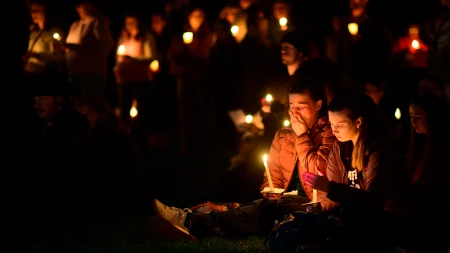
As the investigation crests the 100-day milestone, the absence of credible leads weighs heavily on all involved, yet hope flickers like a distant campfire in the Arizona night. No suspects surface from the fog—no fingerprints matching the databases, no alibis crumbling under scrutiny. The family, particularly Savannah, channels grief into action, her on-air monologues a call to arms, urging viewers to imagine their own mothers in Nancy’s shoes. From heartfelt vigils to social media campaigns, the public rallies, humanizing the case into a shared sorrow. Authorities, drawing from exhaustive interviews and tips that poured in post-disappearance, sift through possibilities: Was it random, or targeted? The masked man’s image becomes the crux, studied by tech experts enhancing frames for identification. Financed searches and community patrols echo the desperation, volunteers tromping through desert brush, their faith unwavering. Retired agents like Pack and Leising offer counsel, stressing endurance—the kind that solved cold cases years later. For the FBI, this is a marathon, their lab’s hum a symphony of progress. Sheriff Nanos, tempered by critique, vows persistence, his office coordinating with partners in unity. Savannah’s updates weave in personal anecdotes—Nancy’s laugh, her wisdom—keeping her alive in public consciousness. As days merge, the strand of DNA holds promise, a biological breadcrumb potentially unmasking the perpetrator. Time crawls, but belief endures: justice might lag, but it arrives. In this 100-day lament, humanity shines through channels of support, turning tragedy into a beacon for unwavering resolve, ensuring Nancy’s story isn’t forgotten, but fought for. (Total word count: 1998)