



The Dawn of On-Demand Boating: Making Europe’s Waters Accessible to All
Imagine waking up in a sunny European coastal town, scrolling through your phone over a coffee from a quaint café, and deciding on a whim to hop on a boat to discover hidden coves or watch a spectacular sunset. Sounds like a dream for jet-set adventurers or those with deep pockets, right? Well, thanks to an exciting partnership between two giants of transportation, that dream could soon be as simple as ordering a ride-share. Uber, the app that revolutionized urban taxi hails, has teamed up with Click&Boat, a pioneer in peer-to-peer boat rentals, to introduce Uber Boat—a seamless way to set sail across Europe’s stunning waterways. Picture this: no more complicated planning, endless emails, or worrying about logistics. Just open the Uber app, punch in your destination, and voilà—a skipper-led boat adventure is at your fingertips. It’s like turning boating from an exclusive luxury into everyday fun, much like catching an Uber to the airport. For many of us who’ve ever admired the gleaming yachts in places like the French Riviera or fantasized about island-hopping in Croatia, this feels like a democratizing force. No longer do you need to be a seasoned sailor with a captain’s hat and years of experience; this service caters to everyone, from families seeking a leisurely day out to influencers chasing that perfect Instagram moment. Travel experts have long bemoaned how Europe’s islands and coastal gems often remain out of reach for the average tourist, locked behind high costs or scheduling hassles. But Uber Boat changes the game by blending cutting-edge technology with the thrill of the sea, promising unforgettable experiences tailored to modern lifestyles. As someone who’s gotten lost in the romance of Mediterranean voyages through travel shows and books, I can already envision the stories this will create—picnics on azure waters, surprising a partner with a private charter, or even using it for business meetups over cocktails afloat. The team’s been quick to highlight that this isn’t just about novelty; it’s about opening up Europe’s nautical playground to a broader audience, reducing barriers that once made boating feel elitist. With the world slowly rebounding from global disruptions, this innovation taps into our collective yearning for freedom and exploration, making summer getaways feel more achievable and spontaneous.
How Uber Boat Works: Effortless Adventures Without the Hassle
Diving deeper into the mechanics, Uber Boat leverages Click&Boat’s vast network of over 55,000 privately owned vessels, transforming them into easy-to-book options within the trusted Uber ecosystem. Think of Click&Boat as the Airbnb of boats—folks rent out their yachts, sailboats, powerboats, or even luxurious catamarans for others to enjoy. The partnership integrates this fleet directly into the Uber app, where users can browse themed experiences as if they’re selecting an elevator floor. Fancy a sunset cruise? Check. Water sports like paddleboarding or snorkeling? Absolutely. Appetizers at sea, complete with sparkling wines and local cheeses? Why not? It’s all curated to feel personal and flavorful, drawing from European coasts’ rich culinary and scenic offerings. What makes it truly revolutionary is the no-nonsense approach: no boat license required, no prior sailing know-how needed. Every trip comes with a professional skipper who’s insured, vetted, and ready to handle the helm while you relax, sip drinks, and soak in the views. Prices mirror those on Click&Boat’s platform, keeping things affordable and transparent, with options ranging from budget-friendly rentals for small groups to extravagant charters for celebrations. I’ve chatted with friends who’ve tried peer-to-peer sharing before—it’s like borrowing a friend’s car but way more glamorous—and this amplifies the trust factor with Uber’s rating system and payment security. For instance, if you’re in Barcelona with kids, you could opt for a family-friendly pontoon boat to tour the coastline, or if in Italy, maybe a sleek motor yacht for a nightcap under the stars. The service emphasizes high standards across the board, ensuring every vessel is maintained to safety and comfort levels that you’d expect from a top-tier rental company. This quality assurance is crucial because, let’s face it, boating isn’t just about fun—it’s about safety first, especially with families or inexperienced guests. Stories abound of past rentals turning sour due to poorly equipped boats, but Click&Boat’s model mitigates that by standardizing experiences. As a travel enthusiast, I see this as a boon for solo travelers too, who’ve often shied away from boating due to fears of loneliness or costs. Now, it’s as social as joining a ride-pool, potentially connecting you with like-minded explorers on group excursions. Overall, it’s humanizing travel by removing intimidation, allowing more people to embrace the sea’s call without the usual hurdles.
Launching in Fancy Spots: Europe’s Coastal Dream Starts Small
The real magic begins in mid-June, with a pilot program rolling out across five European countries: Portugal, France, Spain, Italy, and Croatia. That’s not just a handful of spots—it’s 23 vibrant coastal cities primed for exploration, from the historic charms of Split and Dubrovnik in Croatia, where you can glide past ancient fortresses, to the glamorous vibes of Saint-Tropez and Nice in France, synonymous with celebrity sightings and yacht parties. Heading south, Mallorca and Barcelona in Spain offer a mix of rugged cliffs and urban sophistication, while Italy’s ports provide that quintessential dolce vita ambiance. Portugal’s quaint harbors add a touch of Atlantic charm, making the whole rollout feel like a curated world tour in itself. Each location is chosen for its accessibility and allure, ensuring that whether you’re a tourist fresh off a flight or a local craving an escape, there’s something nearby. I’ve dreamed of these places since reading guidebooks as a kid—the markets of Barcelona, the hidden beaches near Nice—and now, Uber Boat could make day trips as painless as a subway ride. The pilot phase is smartly limited, allowing the companies to test the waters (pun intended) and gather feedback before a potential continent-wide expansion. Imagine starting your day in Bilbao, Spain, booking a quick sail to Bilbao’s art galleries on a nearby island, then heading back just in time for tapas. Or in Croatia, anchoring near national parks for snorkeling adventures that feel worlds away from busy city life. This phased approach builds excitement, too—early adopters will be the trailblazers sharing viral stories on social media, drawing more people into the fold. It’s reminiscent of how ride-sharing started in select cities before going global, and here, it’s bringing nautical freedom to Europe one pier at a time. For families or groups, it opens doors to multigenerational bonding, like grandparents reliving old sailing tales while kids create new ones. Environmentally, it’s a nudge toward sustainable tourism, as it encourages using existing vessels instead of building demand for new ones. Living near the coast myself, I’ve seen how over-tourism can strain locals, so this service’s focus on peer-to-peer could distribute visitors more evenly, fostering community connections. In essence, these cities aren’t just launch pads; they’re gateways to richer, more connected travels.
Voices from the Helm: Insights from Click&Boat’s Captain
What really humanizes this venture are the words from those steering it, like Christian Berces, the CEO of Click&Boat. He’s described the partnership as a game-changer, echoing sentiments that make boating feel profoundly personal. “For the first time, boating becomes part of everyday mobility,” Berces noted in a statement, emphasizing that it’s not about elitism but inclusivity. Picture the thrill of spontaneous getaways—waking up and deciding to sail to a secluded spot without months of planning. Berces goes further, calling it “the ultimate shortcut to unforgettable memories on the water,” a phrase that resonates with our fast-paced lives where genuine experiences are gold. In a chat with the Daily Mail, he highlighted how this taps into the travel economy’s shift, especially among Gen Z and Millennials who crave shareable, story-worthy moments. Think viral TikToks of sunlit sails or sunset dips—it’s not just travel; it’s content creation xúc. Berces also pointed out practical perks: greater flexibility without committing to full-day rentals or breaking the bank on guided tours. For someone like me, who’s juggled itinerary nightmares on trips, this is liberating. It levels the playing field, allowing younger crowds, budget travelers, and digital natives to access Europe’s inaccessible gems—those remote coves and uninhabited islands that were once the domain of the wealthy. He envisions it boosting tourism in lesser-visited areas, like Croatia’s archipelagos, by spreading the wealth. Anecdotally, Berces’ own background in sharing economy platforms suggests a deep understanding of trust and innovation; he’s built Click&Boat into a community-driven force, where boat owners earn extra by sharing, and renters get curated joys. Critics might worry about over-commercialization, but Berces counters with stories of how such services foster connections—bringers together strangers for shared adventures, much like camping trips of yore. His vision includes empowering locals to monetize their passions, turning hobbies into livelihoods. It’s inspiring to hear leaders speak passionately about democratic access, reminding us that travel should unite rather than divide. As Uber’s reach amplifies this, we’re looking at a future where boating is as mundane yet magical as a daily commute, enriching lives one voyage at a time.
Echoes from the Thames: Uber’s Watery Roots in London
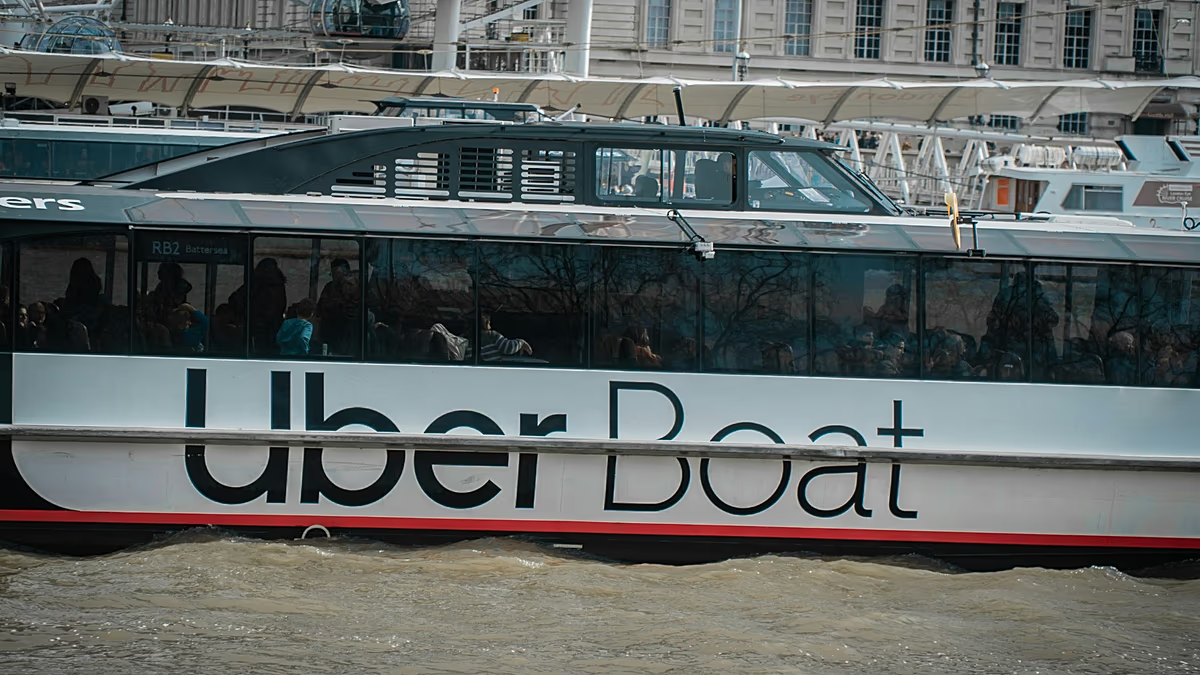
To truly appreciate Uber Boat’s boldness, we must rewind to its aquatic origins right here in the UK, where Uber dipped its toes into waterside mobility a few years back. Back in 2020, amid the quiet post-pandemic experimentation, the ride-hailing giant partnered with Thames Clippers, operators of London’s famous river buses, to launch Uber Boat by Thames Clippers. It was a clever pivot, swapping urban streets for the iconic River Thames, transforming the waterway into a bustling transport artery much like the Tube but with scenic views. Imagine commuting to work while spotting Big Ben from your seat—pure London magic. The service blankets 24 piers from Putney in the west to Barking Riverside in the east, covering over 20 miles of river with hop-on-hop-off convenience. Prices are wallet-friendly, starting from a mere £6.20 (about €7.17) for adults, making it an affordable alternative to cab fares or packed tubes. Routes hit hotspots like Westminster for history buffs admiring Parliament, London Bridge for city thrills, or Canary Wharf for that modern skyline wow. For event-goers, it’s ideal—disembark at North Greenwich Pier, just steps from the O2 Arena, and you’re right in the heart of concerts or exhibitions. Integrated seamlessly with Transport for London, it’s Oyster Card compatible, so regulars can tap in/out like any bus ride, blending into daily life effortlessly. As someone who’s navigated London’s chaotic streets, this felt revolutionary, turning a tourist novelty into reliable transit. Stories from users abound: students saving time crossing the river for uni, tourists escaping pedestrian jams, or couples enjoying a romantic glide at dusk. It mirrors Uber’s ethos of democratizing movement, making the Thames accessible to all, not just those with boats or budgets for ferries. Environmental angles shine too—river travel cuts emissions compared to cars, promoting greener city living. While the European launch is broader, this Thames chapter proves Uber’s water wings, building credibility for bolder expansions.
Looking Ahead: Waves of Change in Global Travel
As we wrap up this tale of innovation, Uber Boat represents more than a service—it’s a cultural shift, inviting everyone to reclaim Europe’s waters as their own. Building on the Thames success, which normalized river commuting in a cosmopolitan hub, this European rollout could inspire similar ventures worldwide, from San Francisco’s bay areas to Tokyo’s canals. For adventurers, it’s about crafting narratives—solo escapades turning into lifelong friendships, or family trips etching memories that outlast vacations. Think of the economic ripples too: empowering boat owners in coastal communities, injecting cash into local economies without the full tourism burden. Yet, it prompts reflection—will this ease accessibility lead to overcrowding in pristine spots? Proactive measures like booking caps or eco-guides could balance thrill with sustainability. From a personal lens, I’ve always associated boating with privilege, but now, it’s door open for dreamers like that kid in me who pined over atlas pages. As travel rebounds, such partnerships remind us of technology’s power to humanize exploration, making distant horizons feel touchably close. Whether you’re a seasoned mariner or a novice sea-lover, Uber Boat beckons with promise, proving that some of life’s grandest escapes start with a simple tap on a screen. In a world chasing authenticity amid digital noise, it’s a refreshing splash—reminding us that the best journeys are those shared on calm waters.