

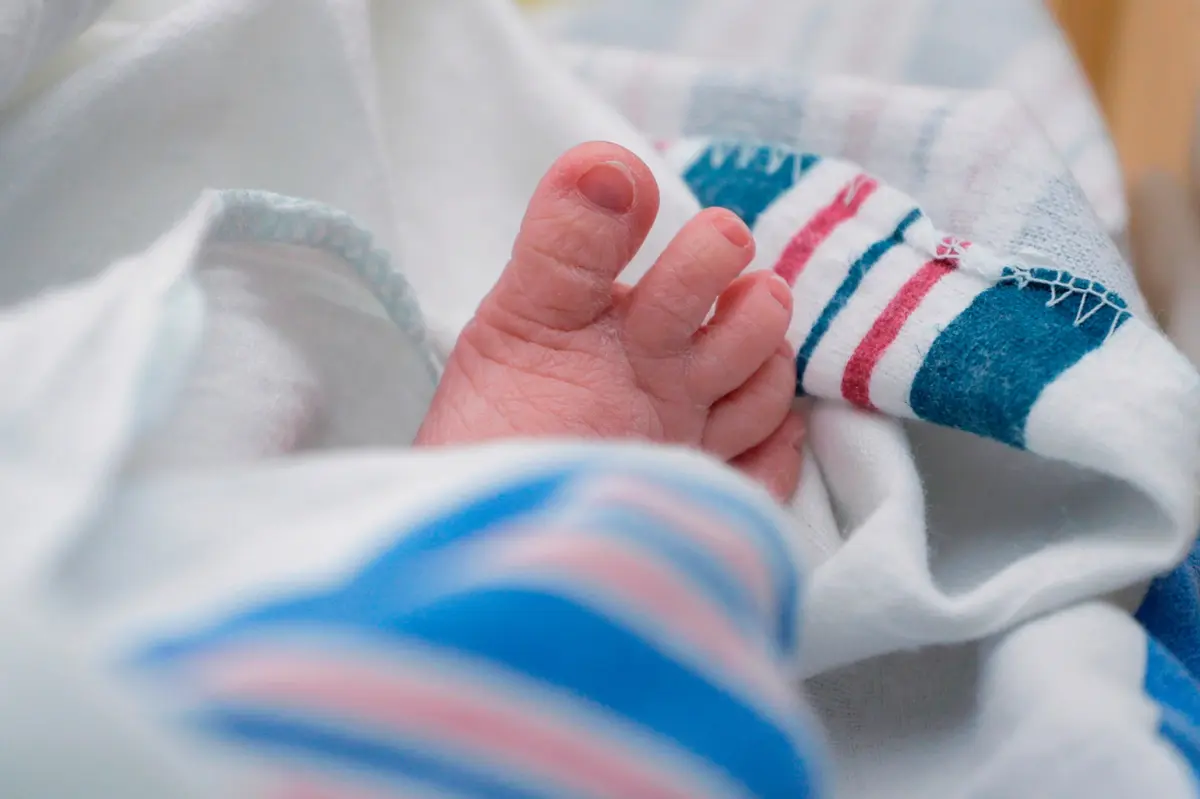
As parents across America continue to welcome newborns into the world, the choices they make when naming their little ones reflect a tapestry of cultural shifts, personal stories, and enduring traditions. In 2025, for the seventh consecutive year, Olivia and Liam reigned supreme as the most popular baby names in the United States, capturing the hearts of families everywhere. Imagine a young couple, perhaps standing by a hospital crib, whispering “Olivia” as they gaze at their daughter’s tiny features, or “Liam” as a father holds his son for the first time—these names, so familiar and comforting, carry the weight of countless memories. Olivia, with its soft melody evoking grace and elegance, has become a staple, a name that feels both timeless and trendy. Liam, strong and approachable, mirrors the adventurous spirit many parents envision for their boys. This year’s data from the Social Security Administration (SSA) isn’t just a list; it’s a mirror of society’s evolving values, where trends in media, celebrity influence, and global connections play pivotal roles. For instance, Olivia—popularized by characters in TV shows and literature—remains a favorite because it effortlessly blends classic charm with modern appeal. Liam, often linked to international roots, resonates in a world that’s increasingly interconnected, where parents draw inspiration from Hollywood celebrities or even distant relatives. The SSA’s annual release, timed perfectly for Mother’s Day, serves as a poignant reminder of the maternal joys and challenges involved in raising these children, each name a thread in the grand narrative of family life. Behind every entry on these lists are stories of anticipation, love, and sometimes, delightful surprises—like how a name can honor a beloved grandparent or symbolize hopes for a brighter future. Delving deeper, it’s fascinating to see how demographic changes fuel these rankings; immigrants bringing their cherished family names, pop culture icons sparking sudden spikes, all contribute to the fluidity of popularity. Yet, amidst the diversity, Olivia and Liam stand out as beacons of consistency in a sea of change, proving that some names endure because they embody qualities parents universally admire: reliability, beauty, and a sense of home. Picture a mother on Mother’s Day, perhaps reflecting on her own choice years ago, only to smile at how her daughter’s name echoes the same sentiment, bridging generations. This human element underscores why these reports aren’t mere statistics—they’re snapshots of human connection, reminding us that every name whispered in a delivery room carries deep emotional resonance, shaping identities and fostering bonds that last a lifetime.
The Social Security Administration, acting as the guardian of these naming traditions, has meticulously tracked baby names across the United States since 1880, accumulating a vast repository that spans over a century of historical and cultural shifts. Released just in time for Mother’s Day, this year’s data provides a special opportunity for families to celebrate the women who guide these choices, often behind the scenes as diligent organizers of nurseries and naming debates. Think of a grandmother, sipping tea while scrolling through the list on her tablet, reminiscing about naming her own children—Olive, or perhaps Liam’s predecessor in family lore. The agency’s process involves aggregating names from Social Security card applications, offering a comprehensive view of newborn nomenclature that goes beyond mere trends to illuminate broader societal movements. For example, the rise of certain names can correlate with waves of immigration, where families from diverse backgrounds introduce evocative monikers that gradually gain traction. Conversely, economic factors or media trends might spur declines, as seen in how “old-fashioned” names sometimes fade in favor of fresher alternatives. Mother’s Day, typically a day of appreciation and joy for moms, ties in beautifully here; after all, it’s often the mother who researches names, balancing heritage with personal taste, ensuring each child carries a meaningful identity. Imagine a young father-to-be, overwhelmed with options, turning to his wife for guidance—she, drawing from her own mother’s influence, suggests names that honor their roots while embracing the future. This human-centric approach turns the SSA’s annual report into a heartfelt tribute, not just to the babies, but to the intricate web of relationships that shape their beginnings. By releasing this data on such a celebratory occasion, the administration encourages introspection about the invisible hands guiding these selections—perhaps a tribute to the mothers who, through tradition or innovation, craft legacies one name at a time. It’s a gentle nudge for families to delve into their own histories, perhaps comparing past generations’ picks to today’s winners, fostering a sense of continuity amidst rapid change. Ultimately, the SSA’s role extends beyond bureaucracy; it’s a storyteller of American family life, preserving the echoes of bygone eras while welcoming the promises of tomorrow.
Focusing on the girls’ names, the 2025 rankings unveil a gentle shift in dynamics, highlighting how cultural vibrancy and subtle evolutions can redefine top spots. Charlotte ascended to second place, dethroning Emma after her impressive six-year tenure as runner-up, while Eliana burst into the Top 10, replacing Ava who slipped out entirely. This reshuffling speaks to the ever-changing landscape of parental inspiration, where names like Charlotte evoke a sense of sophistication blended with approachability—think of parents imagining their daughter as a modern-day explorer or artist. Emma, once a steadfast favorite, might be yielding ground to more aspirational or exotic options influenced by global media, perhaps a nod to how streaming series and international films introduce new favorites. Ava’s decline could stem from oversaturation, as families seek fresher alternatives that stand out in a crowd. Eliana, with its melodic flair and Spanish origins, reflects broadening horizons, appealing to multicultural households where blending backgrounds feels natural and enriching. Picture a couple, perhaps first-generation immigrants, selecting Eliana to honor one parent’s heritage while embracing the American dream—a choice imbued with pride and storytelling potential. This fluidity isn’t random; it’s a mirror of societal trends, where environmental consciousness or celebrity endorsements subtly steer preferences toward names that feel innovative yet grounded. For instance, parents today might be inspired by strong female characters in books or films, opting for names that convey resilience and charm. The narrative here is one of empowerment, as these shifts celebrate diversity and personal expression, allowing girls’ names to evolve in tandem with evolving gender norms. Humanizing this, consider a mother-to-be, journaling her thoughts: “Charlotte for its timeless elegance, perfect for a daughter who’ll one day chase her dreams.” Such decisions aren’t trivial; they’re acts of love, weaving family histories with contemporary aspirations. Amidst these changes, the enduring appeal of Olivia at the top reminds us of the comforting pull of familiarity, a name that transitions seamlessly from infancy to adulthood, carrying whispers of maternal wisdom and joyful anticipation across generations.
On the boys’ side, stability reigned among the top echelons, with Liam, Noah, Oliver, and Theodore maintaining their positions in the top four—a testament to the enduring allure of names that blend strength with kindness. This consistency evokes images of fathers dreaming big for their sons, selecting Liam for its rugged yet approachable vibe, or Noah for its biblical roots hinting at adventure and faith. Noah, with its literary connotations (think ark and new beginnings), often appeals to parents hopeful for their children’s prosperous journeys. Oliver, sounding distinguished and whimsical, might draw from fairy tales or modern storybooks, while Theodore exudes a scholarly charm, perhaps aspiring to inventors like Edison. The broader list, including Henry, James, Elijah, Mateo, William, and Lucas, represents a blend of classics and emergents, each with its own emotional pull. For example, James carries a presidential gravitas for ambitious parents, while Mateo nods to multicultural fusions, celebrating Latin American influences in a growing demographic tapestry. These choices reflect deep-seated values—mates envisioning sons as leaders, protectors, or explorers, guided by their own life stories. Humanizing this, imagine a dad reflecting on naming his boy Lucas, inspired by a cherished childhood friend or a beloved literary hero, infusing each decision with personal significance. The unchanged top four suggest a yearning for reliability in turbulent times, where familiar names provide a sense of security. Yet, even in stability, there’s movement below the surface, as names trickle in and out of lists, mirroring life’s subtle shifts. Parents might feel a thrill in choosing William, evoking royal lineages or heroic figures, or Elijah for its spiritual undertones. This evolving roster isn’t just data; it’s a chorus of parental hopes, where boys’ names become badges of identity, fostering bonds that echo through family lore. Delving deeper, the rankings highlight how global connectivity introduces culturally rich options, allowing families to craft narratives that blend old with new, ensuring sons carry names rich in meaning and motivation.
Beyond the top tiers, the fastest-rising names offer intriguing glimpses into emerging passions and creative liberties, painting a picture of a society embracing novelty and global influences. For boys, Kasai—a name meaning “fire” in Japanese and Swahili—surged an astounding 1,108 spots to crack the top 1,000, symbolizing a fiery spirit that resonates in an era of ambition and exploration. Parents might be drawn to it for its bold energy, envisioning boys who blaze trails in science, sports, or entrepreneurship, like a spark igniting countless possibilities. For girls, Klarity—a playful respelling of “clarity”—led the charge with a remarkable 1,396-spot leap, entering the top 1,000 for the first time. This inventive twist reflects a trend toward uniqueness, where families tweak spellings to make names feel fresh and personalized, perhaps hoping for daughters who bring lucidity and purpose to the world. Picture a creative parent, brainstorming in a dimly lit nursery: “Klarity will remind her to seek truth amidst life’s fog.” These risers humanize the data by revealing desires for distinction—names like Kasai evoke excitement for a future that’s dynamic and impactful, while Klarity underscores creativity in parenting. Conversely, declines provide a counterpoint, with boys’ names Karim, Khaza, Khai, and Landen falling in popularity, possibly due to shifting tastes or cyclical trends, as families gravitate toward alternatives that feel more contemporary. For girls, Aubrie, Cattleya, Jaycee, and Zendaya saw notable drops, perhaps victim to oversaturation or a pendulum swing toward other influences—Zendaya, for instance, might wane as celebrity impact fades. These shifts tell stories of adaptability; parents recalibrating choices based on personal journeys, cultural exposures, or even whimsical inspirations. Afghan-origin Karim might yield to broader appeal, while Cattleya, evoking flowers, could be seen as too niche. Yet, in every rise and fall lies human ingenuity—risers like Kasai inspire visions of fiery dreams realized, decliners prompt nostalgia or gentle farewells. Overall, these movements celebrate individuality, reminding us that naming isn’t prescriptive; it’s a personal odyssey of hope and heritage.
Wrapping up the broader picture, the Social Security Administration’s 2025 report notes a total of 3.6 million babies born in the United States, a slight dip from the previous year’s 3.61 million, underscoring subtle demographic ebbs in a nation still vibrant with new life. This modest decline might reflect socioeconomic factors, like families delaying parenthood amid economic uncertainties, or shifts in family planning preferences, yet each birth represents joy and possibility—a new chapter in countless American families. Humanizing these numbers, envision couples welcoming their bundles: perhaps grandparents doting over Facetime, or siblings eagerly awaiting playmates, each statistic translating to heartfelt milestones. The release ties back to Mother’s Day, honoring the tireless women nurturing these futures, their choices echoing through the decades. For families delving into the full, searchable list on the SSA website, it’s an invitation to discover hidden gems or ancestral names, fostering connections across time. Reflect on how trends like Kasai or Klarity foreshadow a more global, creative naming landscape, where parents blend cultures for richer tapestries. Declining names like Karim or Eliana prompt reflections on changing winds, yet stability in tops like Olivia and Liam reassures continuity. In essence, this data humanizes birth and nurture, reminding us of the profound roles mothers play in shaping identities—from hushed hospital deliberations to lifelong legacies. As we celebrate these trends, they inspire gratitude for the diversity enriching our society, urging us to cherish each name’s story in the grand narrative of family.In the heart of America’s evolving family tales, 2025’s baby name trends reveal a world where choices blend tradition with whimsy, much like parents chasing dreams for their newborns. Olivia, reigning as queen for seven years, and Liam, her steadfast companion, symbolize the comforting constants amid a sea of changes—names that evoke tender embraces and hopeful horizons. Imagine expectant parents in cozy nurseries, debating over coffee: Olivia for its lyrical grace, Liam for his rugged charm, each selection a quiet covenant of love passed down through generations. The Social Security Administration’s meticulous tracking, spilling over 140 years, transforms this into a living archive of human stories, from 1880’s Victorian echoes to today’s global fusions. Timed for Mother’s Day, the release celebrates the matriarchs orchestrating these milestones—perhaps a mother recalling her own naming ritual, now guiding her daughter through the same joyful rite. Cultural tides pull names upward; Olivia’s endurance might stem from literary figures or media icons, while Liam’s appeal draws from international lore, resonating in immigrant enclaves where heritage mingles with fresh beginnings. Demographic shifts, like rising Hispanic influences, infuse lists with vibrant flavors, making each name a bridge between old worlds and new. Yet, it’s the emotional core that shines: a father’s quiet pride in whispering “Liam” to his son, or a mother’s smile at “Olivia’s” timeless allure. These trends aren’t mere stats; they’re portals to personal narratives, where a name chosen impulsively becomes the melody of a life. Delving deeper, rising stars like Kasai, leaping 1,108 spots with its fiery essence, ignite imaginations—parents envisioning bold sons defying odds. Klarity, a clever clarity respell, soars 1,396 slots, appealing to creative souls crafting unique legacies. Declines in names like Karim or Zendaya signal cyclical winds, perhaps tied to fame’s fading light or tastes turning elsewhere. With 3.6 million births, a gentle ebb from 3.61 million, these figures echo societal rhythms—families adjusting to life’s tempos, births spaced with intention amidst hopes for stability. The SSA’s searchable site beckons: explore fully, unearth forgotten treasures, compare ancestries. In this, we see humanity’s tender dance—mothers nurturing futures, fathers dreaming big, all woven into the fabric of identity. As Mother’s Day blooms, these names bloom with sentiment, reminding us that every baby heralds a story yet untold, rich with possibility and connection. Families from coast to coast, from bustling cities to quiet suburbs, find in these lists reflections of their own hopes, a grand chorus of shared humanity that transcends time and trends.
Diving into the girls’ rankings, Charlotte’s ascent to second spot marks a quiet revolution, ousting Emma’s long-held runner-up perch after six storied years, while Eliana’s fresh entry displaces Ava, who faded beyond the Top 10. This evolution paints a portrait of parental aspirations shifting like autumn leaves—Charlotte, with its regal poise, might inspire visions of accomplished women leading in arts or sciences, her name a nod to resilience and grace. Emma, once a beacon for families favoring familiarity, perhaps bows to novelty’s call, influenced by global markets or social media buzz. Ava’s slippage could stem from oversaturation, forcing parents to forage for distinct alternatives that whisper individuality. Eliana, blooming with exotic bloom and melodic lure, appeals to multicultural hearts, embodying blends of Spanish heritage and modern elegance. Humanizing this, picture a pregnant mother-to-be, surrounded by name books and family tales: “Eliana for her cousin’s memory, combined with our travels abroad—it feels right.” Such decisions ripple with emotion, as mothers channel their own empowerment into these choices, hoping daughters embody strength amid diversity. Cultural undercurrents intensify the narrative; names rising from immigrant narratives or celebrity spotlights foster inclusivity, yet declines remind of ephemeral fads—Zendaya, once a superstar spark, wanes as new icons emerge. The stability of Olivia atop the list offers solace, a name that moms relate to personally, evoking bonds across eras. In every shift, there’s maternal wisdom: women weighing heritage against innovation, ensuring girls carry names laden with potential. This fluidity celebrates freedom, allowing families to craft identities that honor both roots and dreams. As trends ebb and flow, like rivers reshaping shores, these rankings honor the timeless role of mothers as storytellers—each name a chapter in a daughter’s unfolding saga. Reflecting on personal stakes, perhaps grandparents chime in, their classic favorites mixing with today’s risers, creating a tapestry of enduring family lore. Ultimately, girls’ names in 2025 echo empowerment’s song, a gentle push for futures bright and boundless, woven by loving hands on Mother’s Day and beyond.
Conversely, the boys’ arena showcased steadfast anchors, with Liam, Noah, Oliver, and Theodore clinging to their top four spots, radiating themes of endurance and virtue. Liam’s reign, a seventh triumph, evokes fathers’ proud grins, dreaming of sons navigating life’s adventures with steadfast hearts. Noah, steeped in biblical narratives of renewal, might appeal to faith-driven households, his name a promise of protection and new dawns. Oliver, whimsical yet strong, draws from adventure tales, while Theodore, scholarly and inventive, nods to intellectual pioneers. Below them, Henry, James, Elijah, Mateo, William, and Lucas round out the top 10, each a microcosm of masculine ideals: Henry’s regal poise, James’s reliable grit, Elijah’s spiritual depth, Mateo’s cultural richness, William’s heroic legacy, and Lucas’s friendly energy. These selections feel personal, as dads grapple with memories—perhaps naming after a grandfather or a childhood idol. Humanizing the process, envision a father-to-be poring over lists late at night: “Lucas for its warmth, like Uncle Luke’s stories.” Declines like Karim or Landen hint at shifting sands, perhaps as preferences evolve toward names feeling more “of the moment.” Risers such as Kasai, blazing upward, excite imaginations of fiery leaders, while stable tops reassure parents craving permanence in uncertain times. The list’s essence lies in emotional depth—boys’ names often chosen to instill confidence, mirroring fathers’ own journeys. Cultural integration shines through Mateo, echoing Latin roots in expanding demographics, fostering unity. Amid declines, there’s reflection; Khaza might fade due to rarity, yet each name carries familial gravity. Birth stats’ slight dip adds poignancy, prompting thoughts of mindful parenting in a changing world. Overall, these rankings humanize fatherhood’s quiet influences, as men provide steady guidance, their choices echoing through sons’ lives. As Mother’s Day approaches, it underscores collaborative nurturing, where both parents infuse names with dreams—creating boys equipped for tomorrow’s challenges, bound by love.
Emerging trends illuminate creativity’s spark, with risers capturing the zeitgeist of inventive parenting across generations. Kasai, erupting 1,108 spots for boys, symbolizes blazing ambition—parents envisioning fiery sons conquering frontiers, drawing from Japanese and Swahili roots in a fusion of global energies. Klarity, girls’ champion riser at 1,396 spots, flips “clarity” into a beacon of insight, appealing to families tinkering with spellings for originality, like artists crafting masterpieces. These ascents narrate human ingenuity: a mother inspired by a motivational poster, or a father from a diverse background blending cultures seamlessly. Declines, however, tell tales of transience—Karim, Khaza, Khai, and Landen for boys; Aubrie, Cattleya, Jaycee, Zendaya for girls—perhaps outpaced by fresher waves or fading media ties. Zendaya, once a celebrity darling, dips as new stars ascend, while Cattleya, floral and niche, yields to broader trends. This push-pull mirrors life’s ebbs; parents cycling through fads, yet decliners retain sentimental value in familial annals. Humanizing, consider a couple reminiscing: “We loved Zendaya years ago, but today’s kids need something uniquely theirs.” Risers like Klarity foster experimentation, daughters armed with clear purpose, sons with Kasai’s zest. Overall birth numbers (3.6 million) frame this, a canvas of hope amid dips, urging exploration on the SSA site for personalized discoveries. Mother’s Day weaves in tenderly, as matriarchs pivot between nostalgia and innovation, their input pivotal in these shifts. These trends aren’t just movements—they’re emotional landmarks, reflecting parents’ desires for distinction and connection, ensuring each child emerges with a name rich in narrative and potential.
In culmination, the 2025 name data, backed by 3.6 million births, encapsulates America’s familial heartbeat, a slight retreat from prior highs yet brimming with vitality. Trends reveal a tapestry woven by love, culture, and aspiration—rising gems like Kasai and Klarity igniting futures, decliners bowing to evolution’s dance. Humanizing this, families engage in nightly rituals: grandparents sharing tales of nominal choices, newcomers blending ancestries for harmony. The SSA’s archive, spanning 1880, fosters timeless bonds, Mothers’ Day’s release a tribute to nurturing hands. While tops like Olivia and Liam endure, shifts in girls and boys’ lists celebrate diversity, each name a whispered aspiration for resilience or joy. Declines in Karim or Zendaya prompt gentle farewells, yet risers promise renewal. Amid demographic undulations, these stats inspire gratitude for life’s cycles, inviting all to explore the searchable site—unlocking stories of identity and heritage. In essence, naming transcends lists; it’s mothers envisioning daughters’ triumphs, fathers guiding sons’ paths, all nurturing legacies that echo eternally. As society shifts, these choices affirm humanity’s creative spirit, reminding us that every baby namesake carries a world of potential, forged in the warmth of family embrace.