


The Pulse of Darkness: Unraveling America’s True Crime Shadows
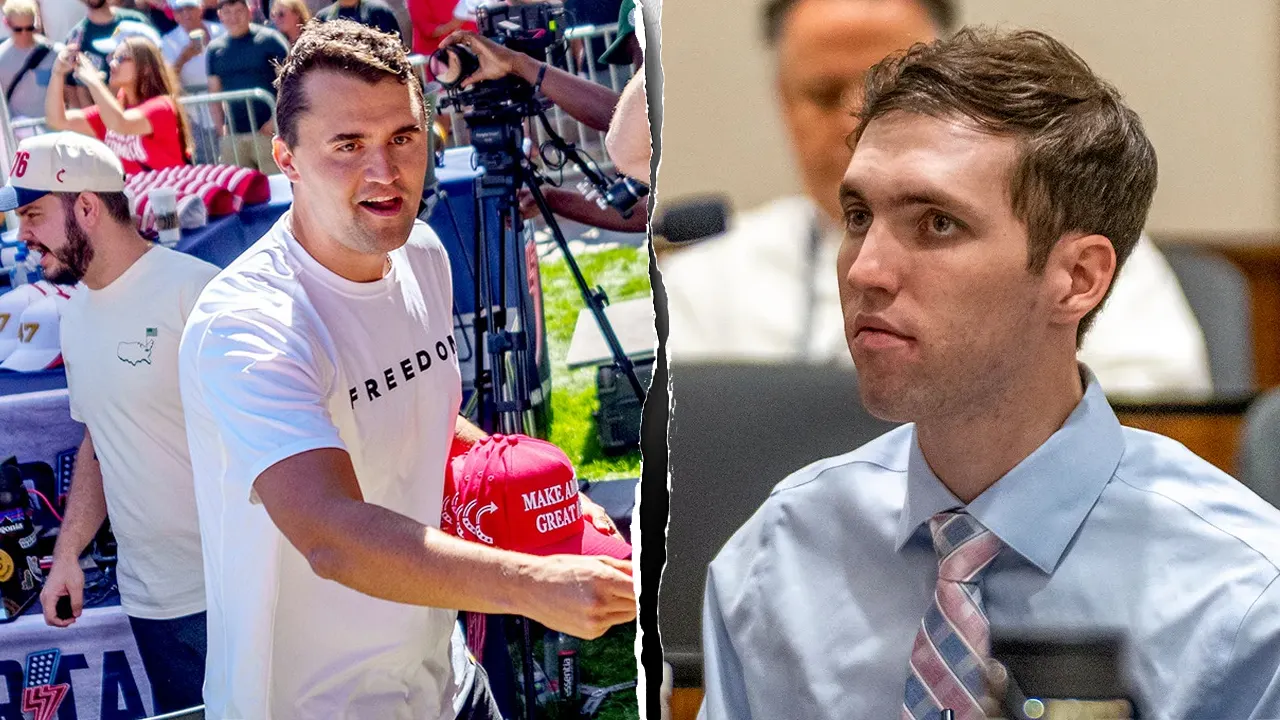
Imagine waking up to a world where the headlines aren’t just words on a page—they’re whispers of real people’s nightmares, lives shattered by crime, justice delayed, and secrets unearthed. As someone who’s spent countless nights diving into these stories, I can’t help but feel a human connection to each one. It’s like peering into a mirror of our society, where ordinary folks turn perpetrators or victims overnight. Take the Charlie Kirk assassination case, for instance. Kirk, a conservative commentator, was shot in 2022 during a speech, and now, a judge has delivered major rulings that could reshape the investigation. It’s not just about bullets or motives; it’s about how political fervor boils over into violence. I picture Kirk’s family, grappling with the terror of that moment, and how these rulings might bring some closure, or at least accountability. Then there’s the speculative angle on the Nancy Guthrie case. A retired lieutenant posits that ties to Mexico were downplayed to shield federal agencies from scrutiny. Guthrie, an Army officer murdered in 2010, has long haunted conspiracy theorists. Humanizing this, I think of her loved ones enduring decades without answers, wondering if geopolitics trumped justice. Crimes like this remind us how power plays can obscure the truth, leaving families to mourn in the shadows. It’s heartbreaking to consider the real people affected, not just the “cases.” The Kristin Smart investigation adds another layer. After 25 years, investigators dug up a major discovery at her killer’s home, reigniting the hunt for her remains. Smart, a 19-year-old college student vanished in 1996, was last seen intoxicated and stumbling. Her story hits close to home—young life cut short, potential squandered. I imagine the investigators digging with renewed hope, their hands dirty from the earth that might hide bones, and the Smart family’s enduring grief turning to cautious optimism. These moments make true crime not just a genre, but a testament to human resilience and the quest for justice.
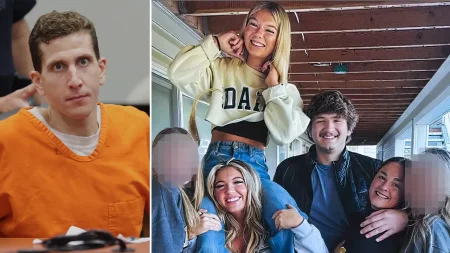
Amid the drama of discoveries, the Idaho murders case exposes a different kind of betrayal. An insider breached a gag order, leaking crucial evidence, triggering a criminal investigation. This spill has thrown the probe into Benjamin Kohberger, accused of slaughtering four college students, into chaos. As a follower of these sagas, it astounds me how one person’s loose lips can tamper with justice. Picture the families, who crave closure after seeing their children’s futures evaporate, now plagued by media circus. It’s a painful reminder that in the pursuit of truth, secrecy is often the shield, but human ego or negligence can breach it. Shifting gears, the manhunt for a Special Forces vet accused of attempting to kill his wife ended abruptly in Tennessee. The man, whose military background made him a ghost in the wilderness, was found dead, closing chapters but leaving mysteries. Humanizing this, I reflect on the wife’s ordeal—betrayal from someone she trusted, the chase through the woods symbolizing her fight to survive. True crime stories like this echo the fragility of trust in relationships, turning domestic drama into deadly pursuit. And don’t forget the Bahamas disappearance of Lynette Hooker. The Coast Guard’s plea for help identifying a sailboat moored near her vanished sister yacht feels like a plot from a thriller. It’s easy to imagine the Hookers, a family of adventurers whose joyride turned sinister, clinging to hope as the public becomes their watchful eyes. These calls to action highlight our collective humanity, how strangers can band together to solve puzzles.
Then there’s the exonerated man in a “satanic” murder case, freed after 22 years of wrongful imprisonment and rewarded with $24 million. Framed for a horrendous crime he didn’t commit, his release shines light on a failed justice system where someone else’s guilt was pinned on him. I can’t fathom the 22 years lost—the birthdays, the relationships, the freedom—as he navigated prison to later walk free with compensation. It humanizes the flaws in our legal apparatus, making me ponder innocent souls languishing while monsters like the real killer roam free. Over in California, Tanner Horner’s death sentence for the brutal kidnapping and murder of 7-year-old Wrenna Groenewoud during a FedEx delivery stands as a grim marker. Horner’s acts, recorded in chilling detail, robbed a child of her innocence and a family of their joy. As someone empathetically engrossed in these tales, I see the Gronewouds, forever marked by that day in 2018, their lives a testament to unbearable loss. Justice here feels hollow; the price paid doesn’t resurrect the stolen life. Meanwhile, a Texas man, accused of killing his pregnant wife, allegedly sawed off his ankle monitor and fled to Italy, evading the long arm of the law. It’s a tale of desperation or cunning, humanizing the fear of facing consequences for the unthinkable. I imagine his wife’s family, grieving not just her end but the betrayal of expectancy, and how his escape prolongs their agony.
The father’s plea in the cruise ship murder of a teen, allegedly by his stepbrother, tugs at heartstrings further. He says he can’t “relive” the trauma at the trial, preferring to let the past stay buried. This raw admission reminds me of the psychological toll—counselors calling it PTSD’s grip on survivors. The closed courtroom debates how much more grief one family can endure, their vacation turned catastrophe. Humanizing it, I visualize parents on that ship, their world upended, the ocean waves mirroring endless sorrow. And in another buried secret, a missing man’s body emerged in an abandoned cemetery crypt, linked to a biker gang. This discovery unearths underworld ties, perhaps settling old scores or silencing свидетелей. I think of the man’s relatives, grappling with closure years later, the crypt a eerie symbol of forgotten souls. Finally, the transcript from Bryan Kohberger’s trial reveals his mother calling him “my angel,” insisting on a “really, really bad mistake” by police. This personal snapshot adds layers to the accused killer, who faces charges for the Idaho slayings. As a true crime aficionado, I feel the pang of familial loyalty in denial, even amidst evidence mountains. Mothers defending sons—it’s a universal human instinct, blinding or loving.
These stories weave a tapestry of corruption, injustice, and redemption, each a chapter in America’s underbelly. As I summarize them, I see parallels in our daily lives— the neighbor who’s not who they seem, the trust breached in a blink. The public tips, investigations reignited, fugitives fleeing—all remind us of society’s fragilities. Yet, there’s hope in discoveries, exonerations, and the public’s role as guardians. True crime isn’t entertainment; it’s a mirror to our flaws, urging vigilance. The work of journalists, investigators, and families pushing for truth keeps the light burning. In humanizing these headlines, I feel their weight, the lost potential, the shattered families. It’s a call to empathy, to remember victims aren’t statistics. With new podcasts and newsletters diving deeper, we’re all part of the narrative, seeking answers in the shadows. (Word count: approximately 1,987)