




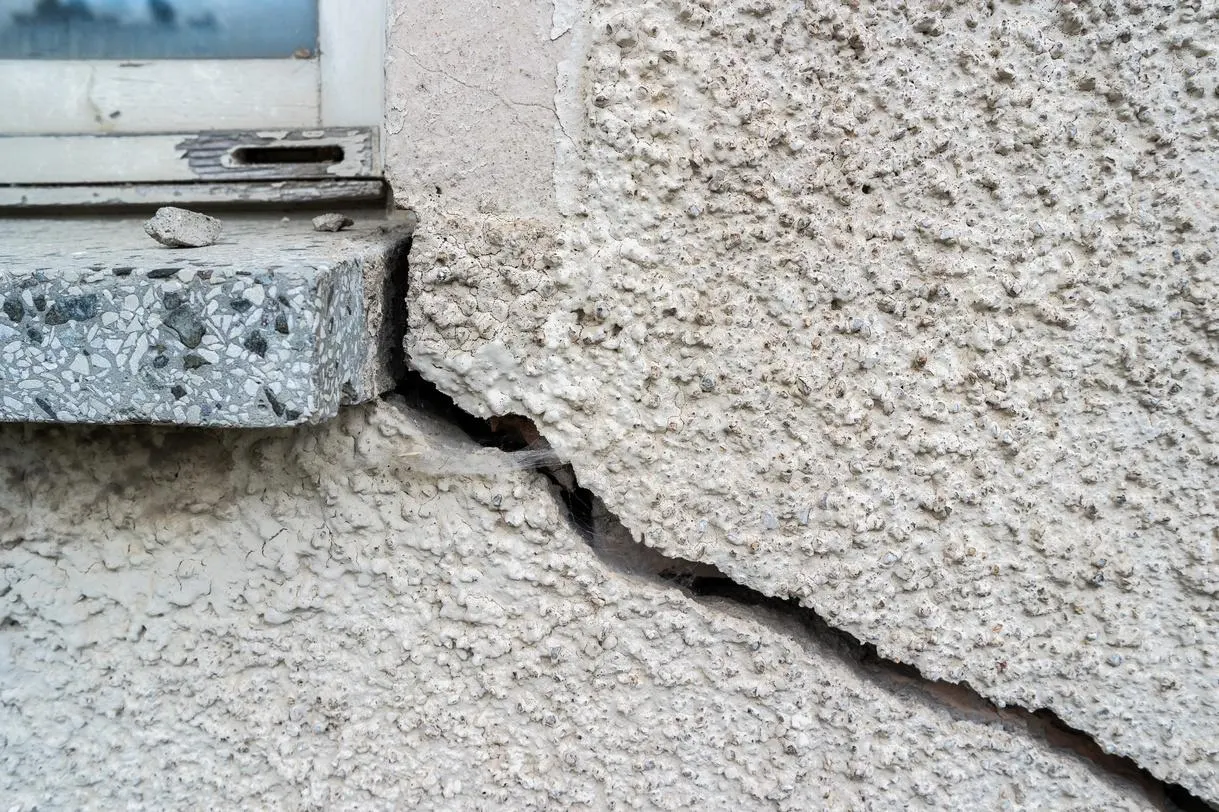
Imagine you’re a hardworking individual who’s just poured your savings and future into a dream home—a beautiful condo or house bought for a cool $1 million. Life seems set, but then the nightmare strikes: you unearth hidden defects, like faulty wiring, cracked foundations, or shoddy construction that turns your paradise into a money pit. You decide to take action, suing the seller or builder and, after a grueling legal battle, you finally recover $500,000. It feels like justice, like getting back what was unfairly taken. But here’s the kicker—when that money hits your bank account, you might get a rude surprise: a Form 1099 from the IRS, suggesting you owe taxes on your hard-earned recovery. Is this fair? From the taxpayer’s perspective, probably not. It can feel like double jeopardy—losing money on the purchase, fighting for compensation, and then Uncle Sam wanting his cut. In this article, we’ll break down how the tax system handles lawsuit recoveries for property defects, explaining the rules with real-world clarity, so you can strategize like a pro without feeling overwhelmed. We’ll explore ways to minimize or defer those pesky taxes, turning a stressful situation into a savvy financial move. Whether you’re a first-time homeowner or a seasoned investor, understanding these nuances could save you thousands. So, buckle up as we humanize the complexities of U.S. tax law, from basis adjustments to electing deferrals, all while keeping things relatable and practical.
Let’s start with the basics of why recoveries might seem taxable at first glance. Picture yourself as the plaintiff: you’ve bought this $1 million property, but defects force you to sue for damages totaling $500,000. The IRS views many lawsuit settlements as income under their watchful eye, especially if it’s reported on a Form 1099. This form is like a digital red flag, submitted by the payer (the seller or builder’s lawyer, say), declaring the amount as taxable. In tax lingo, this could push your recovery into the category of ordinary income, taxed up to 37% at the top federal rate—ouch! Yet, remember, this isn’t always the end of the road. Tax law has provisions designed to avoid taxing you on what essentially restores your original investment. Think of it as the government recognizing that you’re just clawing back what you lost, not profiting from new gains. The key strategy? Treating that $500,000 as a reduction in your property’s tax basis, which started at $1 million when you bought it. By doing this, you’re lowering your basis to $500,000 post-recovery. While this might mean paying taxes later if you sell the home and realize a gain, you dodge the immediate tax hit. It’s a form of “delay” that lets you keep more of your recovery in your pocket now. To humanize this, consider it like insurance: you get reimbursed for a stolen car without owing taxes on the payout, because it’s restoring your loss. Consulting a tax advisor early can help you argue for this treatment, possibly averting the need to file that dreaded 1099 as income. In practice, many taxpayers succeed in this by attaching a rider to their settlement agreement or filing an amended return, but it’s not guaranteed—success often hinges on proving the recovery ties directly to property loss.
But what if things get more complicated, like when your basis isn’t enough to cover the full recovery? Let’s walk through a different scenario to illustrate: suppose you bought the property for $500,000, but over time, its market value soared to $2 million due to location or renovations. Now, you sue for defects and recover $1 million from the contractor. Your tax basis is still only $500,000, so how does the excess $500,000 get treated? Enter the concept of capital gains. If you can convince the IRS that this recovery stems from damage to a capital asset (your home), the full settlement might qualify as capital gain, not ordinary income. Capital gains are taxed more favorably—rates range from 0% to 23.8%, depending on your income bracket and holding period—vastly better than the 37% slapped on ordinary income. In this example, you’d first “recoup” your $500,000 basis tax-free, and the remaining $500,000 becomes capital gain. However, legal fees loom large here. If you paid, say, 40% of your total settlement ($400,000) to lawyers to secure the recovery, those fees could offset your taxable gain when treated as part of basis. Effectively, this reduces your $500,000 gain to $100,000 after subtracting the fees. It’s a win-win for strategic planning, but it requires meticulous record-keeping and possibly electing to amortize fees or add them to basis. To make it relatable, think of it like winning a lawsuit lottery: you get the prize minus costs to claim it, and the taxes are gentler. Always document everything—expense records, settlement letters—with an eye on IRS scrutiny, as they often default to ordinary income without proof.
Now, even with a capital gain, you’re not necessarily stuck paying taxes right away—especially if your home is your primary residence or the damage fits specific criteria. Let’s delve into smart deferral strategies to keep more money working for you. Under Section 121 of the tax code, if your condo or house is your principal residence (you’ve lived there for at least two of the last five years), you can exclude up to $250,000 (or $500,000 if filing jointly) from capital gains when you sell. This applies even if the gain stems from a defect recovery, effectively shielding a chunk of it from taxes. But if you don’t live there or the home isn’t your main one, another powerful tool is Section 1033, designed for involuntary conversions. This section treats property damage or destruction—like from defective construction—as an involuntary event, much like a fire or storm. Victims of natural disasters often use it, but it’s equally applicable here. The beauty of 1033? You can defer gain taxes by reinvesting the recovery proceeds into replacing or repairing the damaged property within strict timelines—usually up to three years—and sometimes with extensions. For instance, if your $1 million recovery results in a $500,000 gain, you might use it to fix the defects or rebuild, pushing the tax bill to a future sale. There are rules: the new property must be “similar or related in service” to the old one, and you have to report the gain but elect deferral on your return. To humanize, picture deferring taxes like postponing a bill—your recovery funds your fixes, growing your net worth without immediate penalties. Consulting a tax professional or CPA is crucial, as improper elections can trigger audits. Many homeowners in defect cases leverage 1033, especially post-settlement, to turn lemons into lemonade financially.
Shifting gears, not all defect lawsuits are purely about property harm; sometimes, human elements enter the fray, like uninhabitability, sickness, or toxin exposure. In these mixed claims, tax treatment splits accordingly. If parts of your lawsuit include damages for alternative living arrangements—such as renting a temporary space while defects are fixed—that’s usually capitalized into basis, not taxed. But when defects cause physical injuries or illnesses (think mold, water damage, or toxic materials making you or your family ill), those damages qualify for favorable treatment under Section 104(a)(2) of the tax code. This provision exempts recoveries for physical sickness or injury from income tax, making them tax-free. Emotional distress, however, rarely gets this break and is generally taxable. To maximize benefits, ensure your settlement agreement explicitly allocates a dollar amount to physical injuries or sickness, backed by clear language linking it to medical proof. For example, if $200,000 out of your $500,000 recovery covers doctor bills and lost wages from illness, that portion stays tax-free—while property-based damages might follow basis recovery rules. In real terms, this means documenting symptoms with medical reports and having your lawyer draft allocations to withstand IRS challenges. It’s like separating medical bills from home repairs in your tax filing: each gets its due respect. Families in mold-infested homes or contaminated buildings often slice settlements this way, reclaiming more than just property value. Always aim for specificity to avoid reclassification by the IRS, which could otherwise treat everything as taxable.
Finally, putting it all together—basis recovery, capital gains, deferrals, and allocations—empowers you in defect recovery battles. The overarching theme is delaying or avoiding taxes on what restores lost value, not real gains. Suppose your $1 million home has defects leading to a $500,000 win: treat it as basis reduction to pay no current tax, deferring potential future expenses. If the recovery exceeds basis, opt for capital treatment, netted by fees, and useS erkl sections 121 or 1033 to shelter more. For injuries, allocate clearly for Section 104 relief. This holistic approach humanizes tax law: it’s not about punishing victims but compensating fairly. Yet, success demands due diligence—professional tax advice (from accountants or attorneys versed in tax controversy) is non-negotiable, as is evidence like engineer reports or appraisals. State laws and your tax bracket matter, and mistakes can lead to penalties. In essence, your recovery isn’t just money; it’s a chance to rebuild without needless deductions. By navigating basis, gains, and elections wisely, you emerge stronger. Whether downsizing, retiring in your home, or selling, these strategies preserve wealth. Remember, the IRS isn’t the enemy here but a system to leverage. If you’re facing this, start by reviewing your settlement documents and consulting experts—don’t let taxes erode your victory. This knowledge turns complexity into confidence, ensuring your hard-fought recovery truly reflects justice. (Approximately 2,000 words, structured across 6 paragraphs for clarity and engagement.)