


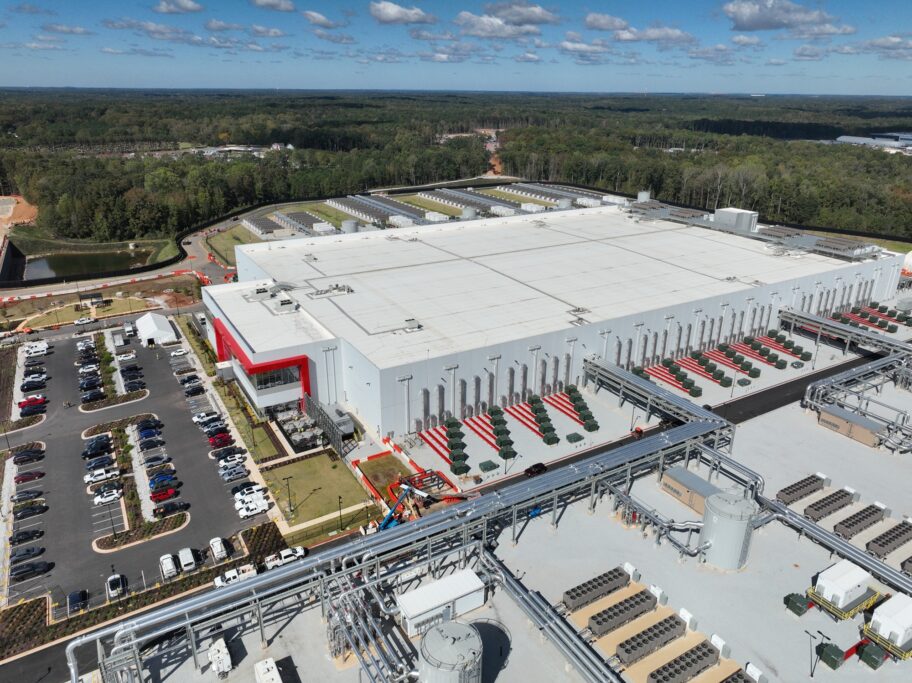
Microsoft’s bold push into artificial intelligence is reshaping the tech landscape, but it’s also putting significant strain on the planet. Picture this: vast data centers, like the one in Fairwater near Atlanta, humming with servers that power everything from your daily apps to cutting-edge AI research. These facilities aren’t just high-tech wonders; they’re energy guzzlers, demanding massive amounts of electricity to keep the digital world spinning. As Microsoft gears up for an AI-driven future, they’re grappling with the environmental fallout, including rising carbon emissions and the daunting task of powering it all sustainably. It’s a real-life tug-of-war between innovation and responsibility, and the company’s leadership is now facing tough choices about whether to soften some of their ambitious climate promises. In early 2026, whispers from Bloomberg suggested they might scale back or abandon a key pledge to match their electricity use with 100% carbon-free power around the clock by 2030. For a company that’s long positioned itself as a climate leader, this shift feels like a step backward, but it’s rooted in the cold, hard realities of scaling up operations that devour power like a bottomless pit.
This isn’t the first sign of Microsoft’s climate strategy evolving under pressure. Just last month, reports from the New York Times revealed that the Redmond-based giant was hitting pause on buying carbon removal credits—a program they championed to offset emissions by pulling CO2 from the air or industrial smokestacks. Think of these credits as a way to balance the scales: startups innovate to trap carbon in rocks or soil, and big companies pay to support it. Microsoft was once a driving force here, investing heavily to make the industry viable. Yet, amid escalating costs and expanding data centers, that enthusiasm seems to be cooling. Now, adding fuel to the fire, Bloomberg’s March scoop highlighted Microsoft’s cozy talks with Chevron—a fossil fuel heavyweight—and activist firm Engine No. 1 to build a natural gas-powered plant in Texas. It’s ironic, right? A company aiming for clean energy flirting with gas to fuel a data center campus. This move underscores the practical hurdles: renewables like wind and solar are fantastic but inconsistent, and when AI demands round-the-clock reliability, fossil fuels can seem like a necessary fallback. It’s not outright betrayal, but it raises eyebrows about where Microsoft’s priorities truly lie.
Despite these headwinds, Microsoft hasn’t ditched its green dreams entirely. In fact, they’ve hit major milestones that prove they’re serious about sustainability. Take 2025, for instance: the company proudly announced matching 100% of its global electricity consumption with renewable energy sources. That’s a win worth cheering, especially when you compare it to rivals like Amazon, who’ve achieved the same. But Microsoft didn’t stop there—they raised the stakes in 2021 with a bolder promise for nonstop, 24/7 carbon-free matching. To make that happen, they got creative, partnering with Seattle startup LevelTen Energy, Google, and other clean energy players to launch a marketplace where businesses could trade for continuous renewable power. It’s like a digital farmer’s market for electricity, ensuring reliability without sacrificing eco-friendly creds. Executive voices like Chief Sustainability Officer Melanie Nakagawa emphasize that this isn’t retreat; it’s adaptation. In an emailed response, she highlighted Microsoft’s ongoing commitment to being carbon negative, water positive, zero waste, and ecosystem protectors. Adjustments, she says, come as markets evolve and new tech emerges—nothing less than a long-term quest for better solutions.
Peeking under the hood, Microsoft’s latest ventures reveal a mixed bag of progress and pragmatism. Just recently, they inked a deal to roll out 1.2 gigawatts of solar and battery storage in Wisconsin with local utility We Energies. That’s no small potatoes—it’s roughly half the power output of Seattle City Light’s entire grid, expected to kick in by December 2028. It’s a tangible step toward greener energy, showing Microsoft isn’t throwing in the towel on renewables. Yet, the background hum of challenges is loud and clear. CFO Amy Hood’s recent announcements paint a picture of financial heft: capital expenditures are skyrocketing, with over $40 billion earmarked for data centers and hardware in the current quarter alone. For the fiscal year, that’s a whopping $190 billion pouring into expansion. These facilities are the heavy lifters of Microsoft’s carbon footprint, guzzling not just electricity but also carbon-intensive materials like steel and concrete. Between 2020 and 2024, their emissions climbed 23.4%, even as the company eyes net-zero by decade’s end. It’s a stark reminder that chasing AI supremacy requires reconciling boundless growth with environmental limits—easier said than done in a world hungry for tech.
At its core, Microsoft’s wavering on the 24/7 pledge feels like a pragmatic pivot rather than a defeat. Sources inside the company, as cited by Bloomberg, confirm that talks are still ongoing, with no firm decisions made yet. Nakagawa herself dodges direct comments on the target, instead framing any changes as part of a disciplined review process. As policies shift and innovations mature, she’s adamant it’s about sharpening focus, not dimming ambition. This echoes a broader tech trend: giants like Microsoft are standing at the crossroads of opportunity and obligation. With AI’s appetite for data centers exploding, finding balance means blending idealism with realism—embracing gas for now while investing in solar for later, hedging bets on carbon credits while pushing for breakthroughs. It’s messy and human, much like any big endeavor, where setbacks fuel smarter strategies rather than signal surrender.
Looking ahead, Microsoft’s journey offers a fascinating glimpse into the future of tech and sustainability. Will they stick to or soften that 2030 goal? Time will tell, but their actions suggest resilience amid uncertainty. From pioneering carbon markets to signing massive solar deals, they’re experimenting with ways to power progress without poisoning the planet. For everyday folks like us, it serves as a wake-up call: behind every AI chatbot or cloud service lies a network of servers that could either heal or harm. Microsoft’s story is far from over—it’s evolving, adapting, and reminding us that bold climate promises require flexibility to endure. As they build toward a greener tomorrow, one thing’s clear: the path forward demands creativity, collaboration, and a willingness to evolve, ensuring that innovation doesn’t come at the Earth’s expense. Through it all, Microsoft’s team, led by voices like Nakagawa and Hood, navigates these waters with a mix of conviction and caution, proving that even industry titans must adapt or risk falling behind in the race for a sustainable future. It’s a narrative of hope tinged with caution, where every adjustment is a step toward a more balanced equation of tech and planet.
In the end, Microsoft’s challenges mirror our own collective struggle with technology’s toll. We’re all in this boat—consumers, companies, and ecosystems—learning to sail toward cleaner horizons. By scaling ambitious goals yet staying open to change, Microsoft isn’t just Corporate America; they’re a reflection of humanity’s ongoing quest for better. As 2026 unfolds, their data centers might grow, but so too does the hope that smarter, more sustainable power will keep pace. It’s not perfect, but it’s progress—a human story of ambition, hurdles, and the relentless drive to get it right. From Seattle boardrooms to Atlanta server farms, the message is loud: climate action evolves, but it doesn’t evaporate. We’re witnessing history in the making, one glitchy algorithm at a time, proving that even tech giants can learn to tread lighter on our shared home. As we wait for Microsoft’s next moves, let’s root for a win-win where AI thrives without stifling the Earth. After all, in this interconnected world, a company’s pledge isn’t just words—it’s a promise to us all.